


Over the weekend a number of people, independently, asked me if there was some shift in the presidential campaign, some shift in the vibes, some shift in the polls, etc. When I asked what prompted the question, it was usually chalked up to a number of articles over the weekend suggesting that Harris’ campaign is faltering or stalled or somehow blowing the election. The through-line through most of this commentary is that Harris’ campaign is too risk-averse or not running an aggressive enough campaign, which she needs to be doing. There are actually some so-so polls out this morning. But we’ve been in a period of small ups and downs for about a month. So I wanted to tell you what I told these people.
Read More


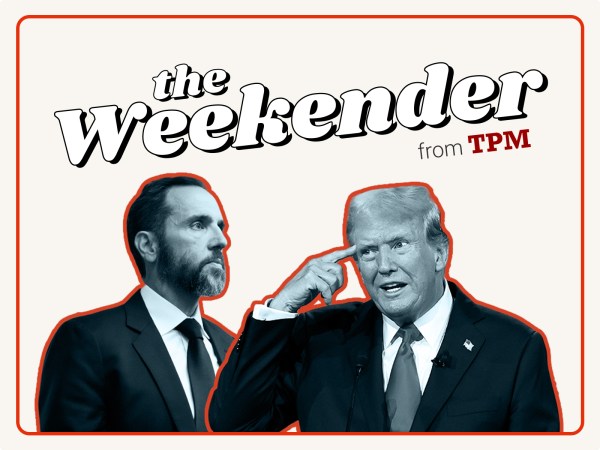





In this morning’s piece I mentioned going back to read articles I’d either missed on publication or read without focusing on these issues of ground game. One of the most interesting pieces in this category is the piece Tim Alberta wrote for The Atlantic which appeared just after the June debate disaster but a couple weeks before Biden’s departure from the race. The article is based on what seems to have been many months of reporting with a lot of access to the team running Trump’s campaign — Chris LaCivita and Susie Wiles. There are a number of really quite interesting storylines in the piece. I’m going to focus on the question of ground operations. Even back before the events of the summer, this was a big enough deal that it is one of the two or three dominant issues the piece grapples with.
Let me start by explaining, based in large part on Alberta’s piece, what the Trump campaign’s argument and theory of the election is on its own terms. It goes like this. The suburbs are heavily polarized. There’s not that much being accomplished by traditional door-knocking and canvassing there. And it tends to be a mass game: How many doors you knock, how many conversations you have, etc., with not enough focus on whether you’re zeroing in on the high-value contacts. The campaign points to Iowa, which was a key early test for Trump’s fight for the renomination and also a sore spot from back in 2016 when Ted Cruz got a jump on Trump and actually beat him. In 2024, the campaign tried something different. The key premise of its approach is the belief that there is a substantial population of people who are really into Trump or at least very down with the Trump worldview but just don’t vote. They’re just totally disaffected from politics and the political world. But if they did vote they’d be certain to vote for Trump. This isn’t a crazy idea since disaffection from elite institutions and elements of mainstream culture is sort of inherent in Trumpism.
Read More



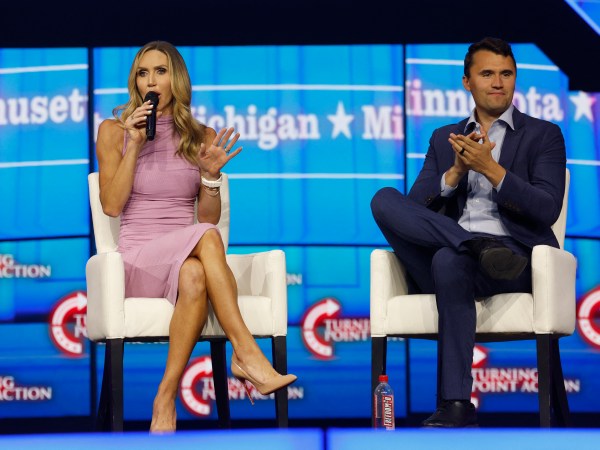

So, I’ve been trying to poke around further into my new favorite mystery: the GOP ground operation and what on earth is going on with it. So far, I’ve been looking back at articles I’d read on publication and rereading them, and at articles I had not read and reading them for the first time, for clues into the Trump/RNC ground game question that I’ve been discussing in recent posts. One thing I hadn’t fully grasped or perhaps had forgotten is that Turning Point USA and its chieftain Charlie Kirk had a big role in pushing for the ouster of Ronna McDaniel at the RNC. And the push seems to have been in significant measure about wanting to take over or play a bigger role in GOP field operations. So a substantial amount of the impetus for all of this appears to have originated with Turning Point and its campaign arm, Turning Point Action. So that’s one clue.
Read More