
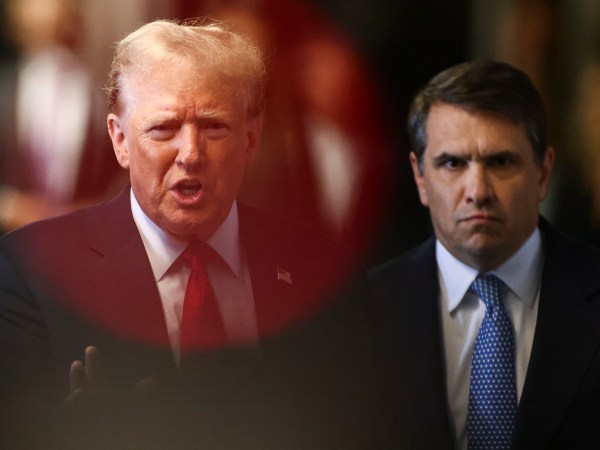
The Donald Trump we saw yesterday after his 34 felony convictions was angry, defiant but also visibly shaken, unsteady. His face and his hair and his comportment had that look I remember from childhood when I or other schoolboys would have the wind knocked out of them on the soccer field. We’ll see another version of him this morning in a press conference where he will no doubt expand his protestation of innocence and demand for vengeance. The spectacle is a reminder of and object lesson in what Donald Trump demands of his supporters and the country generally.



My main thought on this verdict, globally, is that I don’t know what it means in a political and electoral context.
It’s a good thing that Trump faced accountability, for once in his life, for his own conduct. It is ironic on many levels that this case, by far the poor relation of the family of Trump prosecutions, is the one that actually went to trial and actually secured a conviction. It’s a disgrace that the others are unlikely to go to trial before the election. But that’s where we are.
Read More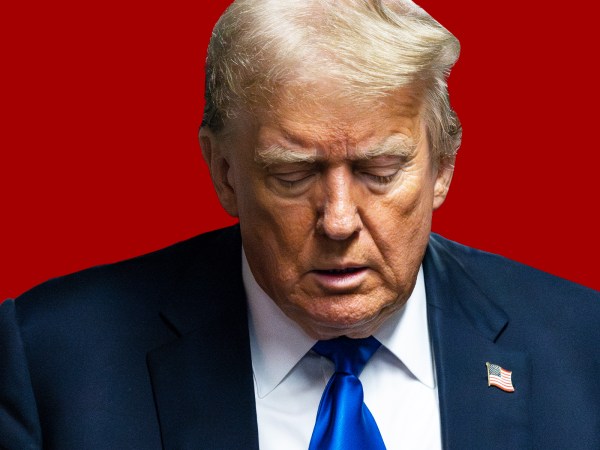

I got a note this morning from TPM Reader CH who asked me a question I get with some frequency. He basically asks, why does the end-state need to be two states? Why won’t it be ethnic cleansing or genocide or bantustans? These are good questions. And it makes me realize that I may need to state more explicitly what is maybe too implicit.
I am certainly not arguing that there is some natural or inevitable progression to two states. On the available evidence there’s a much better argument that there is a natural and irremediable inertia holding the status quo of the last half century in place.
I usually use words like “viable” or “plausible.”
Read More

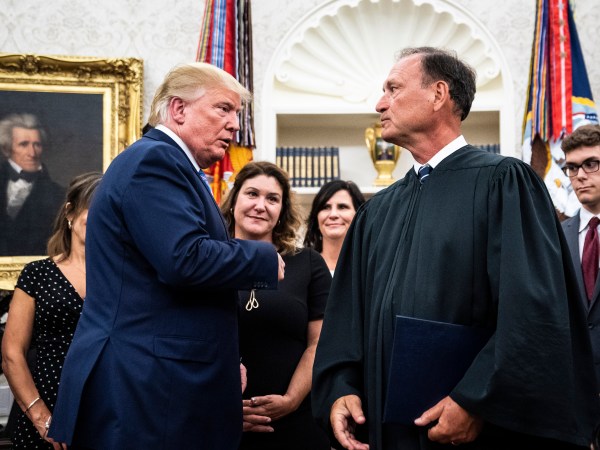
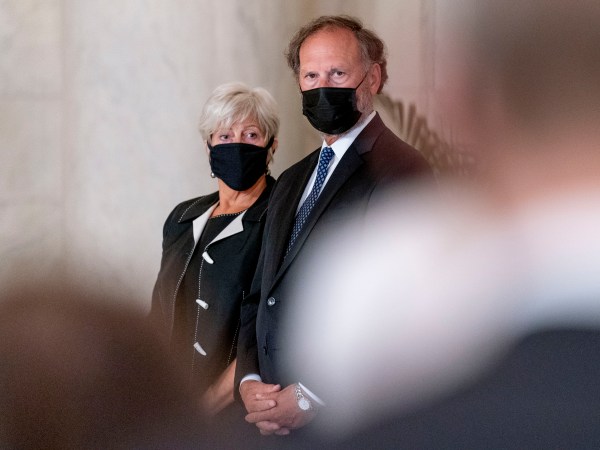
I wanted to share a few thoughts about the Sam Alito problem. I don’t want to preach to the choir on this, but there are two points which should be highlighted. The first is that even on its own terms, Alito’s rationale for not recusing himself doesn’t hold up. His argument is essentially this: My wife is her own person with her own views and ways of expressing herself. I asked her to stop but she refused to do so and I couldn’t compel her to do anything. He notes that they co-own the properties in question, so even in the narrow sense of control over a piece of property, he couldn’t dictate anything. It was his wife, not him. He did what he could, but couldn’t do more. End of story.
This is not how federal ethics guidelines work. They make very clear that the appearance of a conflict of interest or impropriety, for these purposes, counts as much as actual ones. They also make clear that the actions of a spouse count toward creating such appearances even though, certainly in the early 21st century, a judge can’t dictate a spouse’s actions. The ethics guidelines specifically deal with the spouse issue. And they say “it’s my spouse, not me” isn’t a defense.