







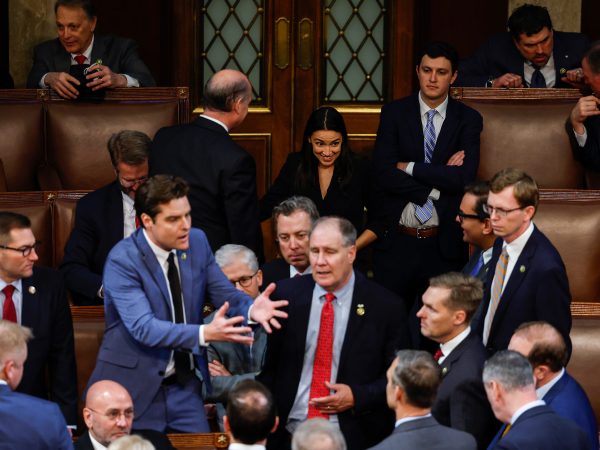

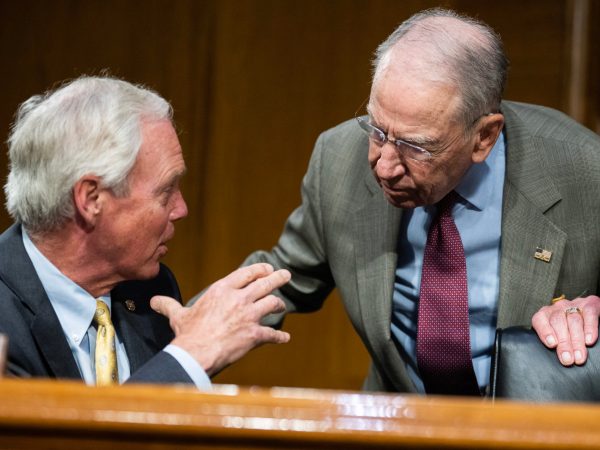

Back in another lifetime, now-House Speaker Kevin McCarthy upset a bunch of his Republican colleagues when he just straight-up announced on Fox News that the Select Committee on Benghazi was making then-presidential candidate Hillary Clinton look bad, and suggested that, hey, that was probably just the goal all along??? 🙃🙃
Read More



“The stage was decorated with a swastika and a picture of Hitler. The speakers started ranting. There were only 15 of us, but we went into action. We … threw some of them out the windows … Most of the Nazis panicked and ran out. We chased them and beat them up … We wanted to show them that Jews would not always sit back and accept insults.”
— Meyer Lansky, gangster, remembering breaking up meetings of the pro-Nazi German-American Bund in Yorkville on New York’s Upper East Side in the 1930s.
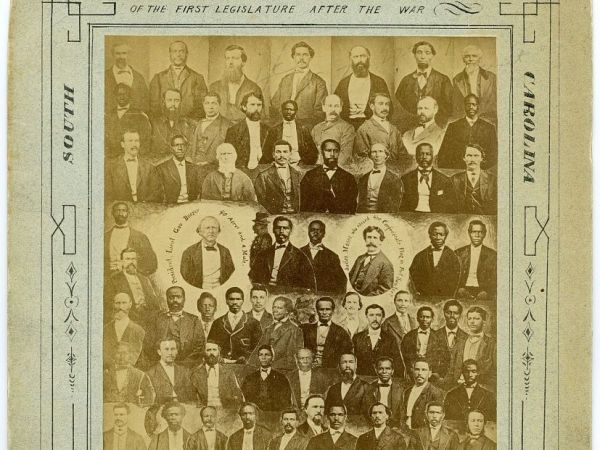
This morning I was reading this Slate article by Rick Hasen and Dahlia Lithwick on newly released papers which seem to show the late Chief Justice William Rehnquist held on to his segregationist views well into his time as chief justice. (For background, as a SCOTUS clerk in 1952, Rehnquist wrote a memo explicitly defending the constitutionality of Plessy v Ferguson and the segregationist system that was built up on it. He later played a key role in organized voter suppression efforts in Arizona in the 1960s.) Hasen and Lithwick tie Rehnquist to the current Court majority’s view that the 14th Amendment is essentially a warrant for color blindness in the law.
The 14th Amendment particularly has implications which were very much by design that go beyond the fate of post-war ex-slaves. It essentially creates a thing we now take for granted, the status of citizen of the United States. It also has implications beyond things the architects of the amendment could have conceived of. But there are certainly concrete things that are totally clear about it and the other Civil War amendments if you spend even some basic time understanding why they were created, what they mean and what they meant to accomplish. Reading Hasen’s and Lithwick’s piece was helpful, reminding me of this by showing the bust-up collision between the actual Civil War amendments and the theoretical latticework that gets promoted in Federalist Society world and in some ways (albeit often in a much more benign form) in law schools generally. In the latter case, there’s nothing wrong with theory. It has its place. It’s necessary if your aim is not simply historical understanding of the amendments but some level of application to present-day realities.
Read More