






We’re now in the midst of one of these now and again collective Democratic meltdowns, filled with dooming laments, drama, intra-party attacks and insults, rending of clothes, “reckonings” and more. But there’s a fact, little discussed and under-appreciated, that is nestled in these collective freak-outs. This may sound nonsensical or perhaps a semantic point with no real meaning. But it’s foundational to how the Democratic Party functions and why it functions differently and often disappointingly compared to the GOP.
We hear lots of arguments in Democratic politics that the party’s base is its left wing. There’s a certain logic to that. It’s a center-left party so it’s left wing is its base and it’s filled out by more fair-weather voters or less ideological ones. In a sense it’s really their party or they’re the legitimate owners of it as soon as corporate interests and softies and other interlopers can be kicked to the curb. But it’s not. The most obvious reason is that are just too few of them. But they are also very different, sociologically, ideologically, demographically from the rest of the party. This isn’t just a dig on the left. The same applies to white liberals. There are dramatically more of them. But they are still really, really different from much of the rest of the party.


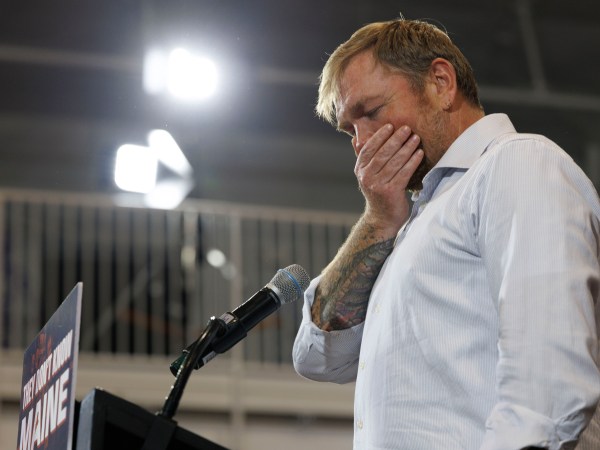







I wanted to share a few thoughts with you about this email from a TPM Reader from Maine which I posted last week. It crystallized a few thoughts I had about the Maine Senate primary and politics more generally. In general, I’ve always been pretty against purity tests in politics, though the label “purity tests” somewhat prejudges the question. TPM Reader JU tells us that she didn’t rank Graham Platner first (Maine has ranked choice). But that she wasn’t disappointed that he prevailed. She also believes that most of the morality tale interpretations of what happened in the primary miss what’s driving Maine voters. It’s not that they don’t care about Platner’s baggage, or that they’ve adopted some Trumpian cynicism. They just have a different understanding of character tests in politicians mount to. (You can read the post here.)
Basically I agree with JU. But I want to abstract this out, to at least a degree, from Platner’s specific issues because I know people have strong feelings about that race and the specific accusations that were made against him. Possibly the argument I’m making is valid but I’m misapplying it to Platner. But I’m trying to articulate a more general point rather than relitigate the Platner primary.