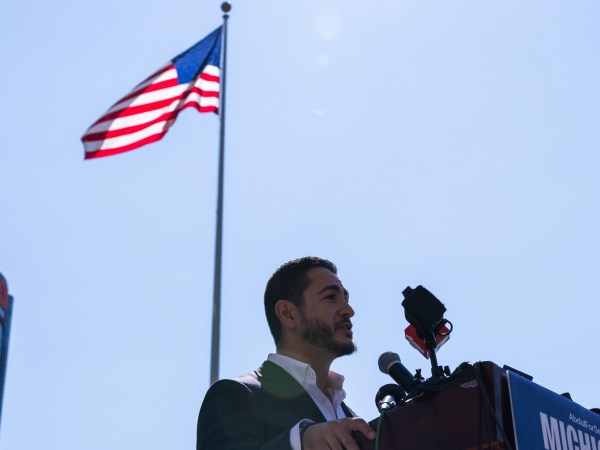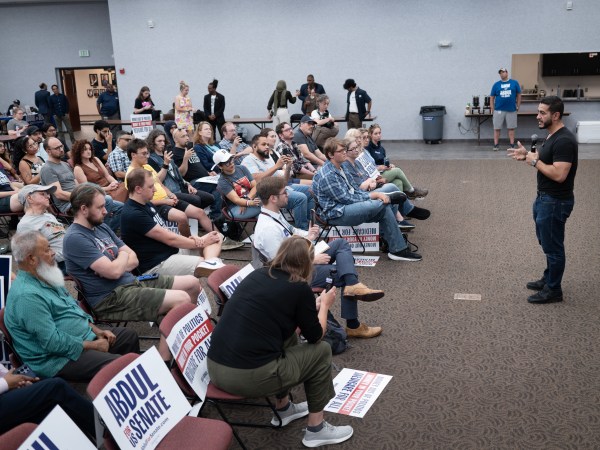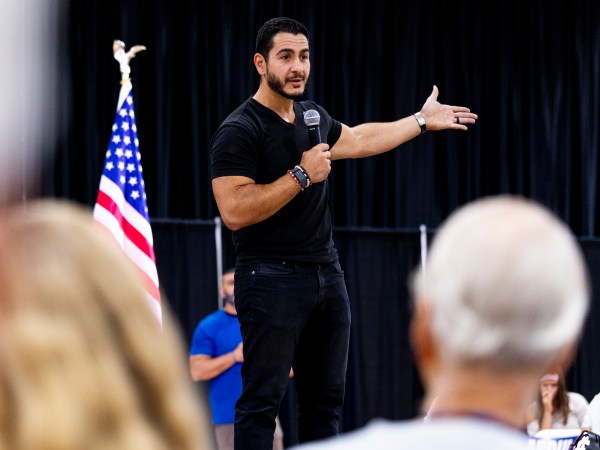
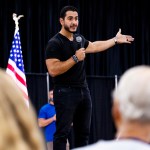
I note Michigan Senate candidate Abdul El-Sayed in the title of this headline mostly because controversies tied to his campaign are the immediate space in which we’re again seeing arguments about Israel, Zionism, American Jews and the Democratic party. This has cropped up again because of streamer Hasan Piker’s comments about how Jews need to ditch Israel or Zionism or whatever. My own sense is that El-Sayed is well on his way to defusing the wariness or opposition of many in Michigan’s Jewish community. (As I’ve written elsewhere, to the extent it matters for someone outside of Michigan, I’ve supported him from the moment he won the primary.) But there’s something that’s become more and more clear to me in recent weeks as I’ve had various conversations and arguments about this issue. One is that I increasingly hear from left-leaning non-Jews is a fairly confident declaration that Zionism doesn’t have anything to do with or isn’t the same as the “Jewish faith.” This is at best a rather total statement about a much more complicated reality — especially when stated by people outside the community in question. But it’s not only that side of the equation.
Read More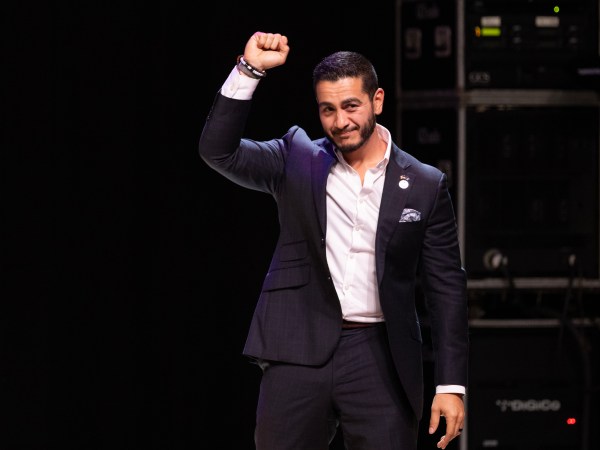


Jon Cohn has a good piece in The Bulwark on the challenges ahead for Abdul El-Sayed. The “brutal path ahead,” Jon calls it. I’ll note here that Jon is based in Michigan, despite beginning his journalism career in the East Coast cities where most political journalists are based. (In other words, his report isn’t based on parachuting into the state for a few weeks.) He notes the two, equally accurate narratives coming out of this primary battle. El-Sayed built a potent and victorious movement. Sanders-style progressive Democrats seldom win these contests in purple states. El-Sayed did. And he did it in the face of concerted opposition from the state’s Democratic establishment, the national establishment and an ocean of outside money, mostly from AIPAC.
It’s also true that Republicans will now run a viciously Islamophobic campaign against him, which will get extra traction from his association with the willfully inflammatory Hasan Piker. There’s another dynamic we’ve seen across numerous establishment-progressive battles. The Platner campaign pitched itself as appealing to working class or at least culturally working class voters who are usually unreachable by Democrats. But the polling showed that the demographic profile of Platner’s supporters looked pretty similar to what most Democrats have gotten over the last couple decades, and especially since Trump — the educated and affluent. The loose outlines of El-Sayed’s victory in Michigan look similar. Both make a pitch about young voters but they tend to appeal most to educated and downwardly mobile voters — so again, another version of standard early 21st century Democratic coalition.