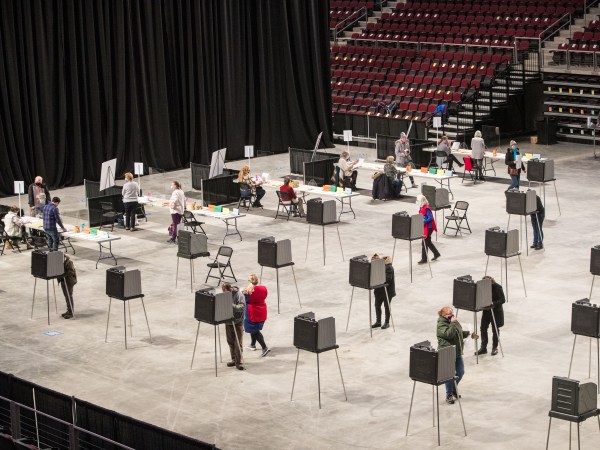
I wanted to follow up on my post about Pat Ruffini’s deep dive about the accuracy of Senate race polling in recent cycles and whether they’ve overstated Democrats’ strength. But since I wrote that post, I’ve also gotten a few emails from friends and TPM readers about polling generally. So I wanted to combine all of this together into some general comments on polling and whether we should care about it at all.
In the wake of the big apparent polling misses in Michigan and Wisconsin, we’re seeing another wave of discussion about a purported “crisis” in polling and what we should collectively do about it or what the polling industry should do about it. Mostly, the answer is there is no “crisis” — at least in the sense of one that any of us should care about as some problem for American democracy or elections or anything else. If you’re in the polling business, it may well be a problem. But if you’re not, who cares? There might be a crisis in Swiss cheese marketing too. But if I’m not a cheese monger, why do I care?
Read More

Over the last few days as we’ve been discussing Francesca Hong’s campaign, Thanksgiving abolition and “defunding the police,” I’ve made the same argument a number of times — most recently with TPM Reader AB whose email dispatch you can read below. I wanted to share it with you because it informs my way of understanding these things.
After Zohran Mamdani won the Democratic primary last year, there were so many powerful people eager to take him down and so many ways it would be easy to do it. It’s very, very challenging to navigation the transition from a lefty/social democratic/identity politics milieu to a broader society-wide electorate. Obviously New York City is a very blue city. It’s not Wisconsin or Michigan, let alone Texas or Ohio. But the same general point remains. It’s an incredibly challenging needle to thread, one that requires immense, innate political skill. Mamdani fielded all the standard attacks, some fair, some very unfair, and again and again he was able to finesse them. This, to me, was the biggest signal. He’s an immense political talent. Some have it; most don’t; he does.
Of course I have my own issues with him on Israel/Palestine. But even on that issue, perhaps especially on that issue, I saw how he was able to navigate a super challenging electoral thicket. Again and again.
Which brings me to Francesca Hong.
Read More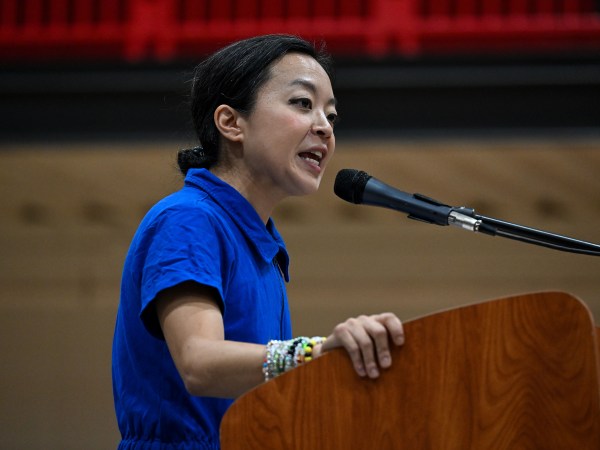
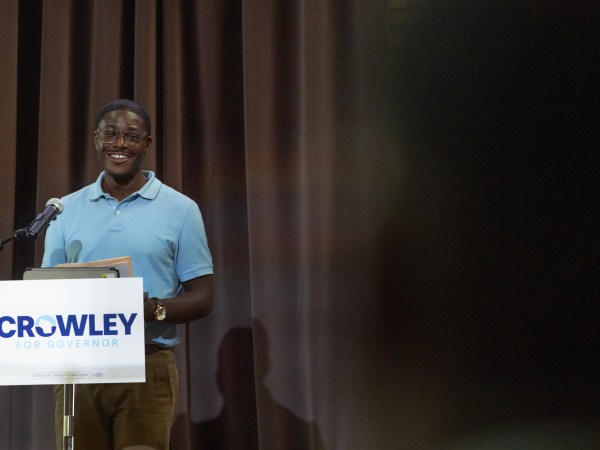
We went late into the evening waiting for absentee ballots in Milwaukee County last night. But Milwaukee County executive David Crowley will become the Democratic nominee for governor in Wisconsin, despite it seeming like a certainty that Francesca Hong would be the winner. As of yesterday, every recent poll had shown Hong at least 20 points ahead. The two most recent public polls had her 22 and 25 points ahead. (The most recent poll from Crowley’s own camp showed Hong 19 points ahead!) We’ll come back to the question of why these polls have been so wildly off. But there was a different casualty from the night’s results that I personally enjoyed witnessing because it’s a hobbyhorse or pet peeve of mine — and it seems to be as well of the numbers crunchers/data nerds whose Twitter feeds I watch on elections night. I’m talking here about the “prediction markets.”
Read More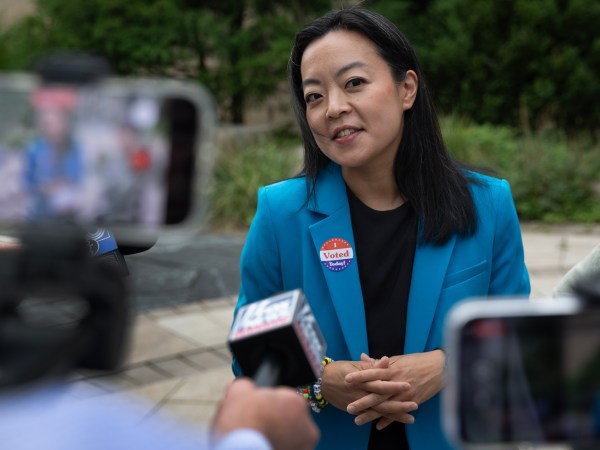
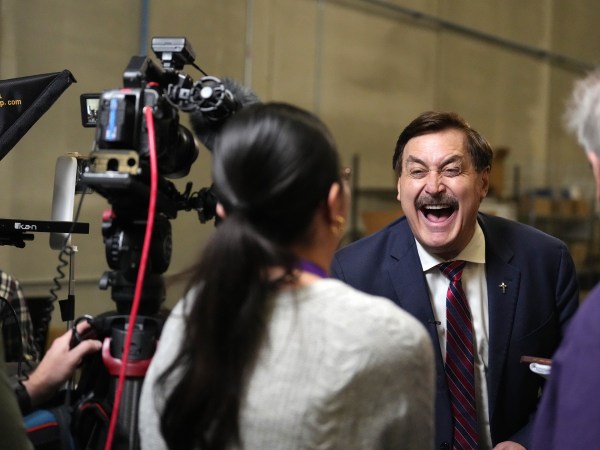
John Light has a run-down of results from last night’s major primaries in South Carolina, Wisconsin and Minnesota in this morning’s Brief. The evening saw DSA-backed progressive Francesca Hong lose her bid to become Wisconsin’s Democratic gubernatorial candidate in an upset, prominent election denier Mike Lindell lose his own gubernatorial bid in Minnesota, and more surprises.
Check out John’s post for the TLDR on a busy primary night.

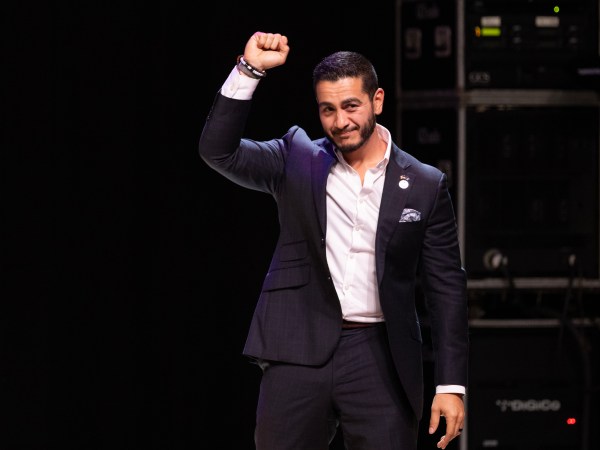


Jon Cohn has a good piece in The Bulwark on the challenges ahead for Abdul El-Sayed. The “brutal path ahead,” Jon calls it. I’ll note here that Jon is based in Michigan, despite beginning his journalism career in the East Coast cities where most political journalists are based. (In other words, his report isn’t based on parachuting into the state for a few weeks.) He notes the two, equally accurate narratives coming out of this primary battle. El-Sayed built a potent and victorious movement. Sanders-style progressive Democrats seldom win these contests in purple states. El-Sayed did. And he did it in the face of concerted opposition from the state’s Democratic establishment, the national establishment and an ocean of outside money, mostly from AIPAC.
It’s also true that Republicans will now run a viciously Islamophobic campaign against him, which will get extra traction from his association with the willfully inflammatory Hasan Piker. There’s another dynamic we’ve seen across numerous establishment-progressive battles. The Platner campaign pitched itself as appealing to working class or at least culturally working class voters who are usually unreachable by Democrats. But the polling showed that the demographic profile of Platner’s supporters looked pretty similar to what most Democrats have gotten over the last couple decades, and especially since Trump — the educated and affluent. The loose outlines of El-Sayed’s victory in Michigan look similar. Both make a pitch about young voters but they tend to appeal most to educated and downwardly mobile voters — so again, another version of standard early 21st century Democratic coalition.