


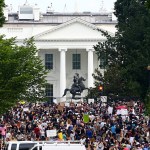

*** Attorney General Bill Barr has apparently now thought better of his high profile role in the clearing of Lafayette Park on Monday. It’s not clear to me that he ever publicly took credit for ordering the operation. But the White House said he did and that seems to have been the message coming out of the Department of Justice. Now he tells the AP it wasn’t him, even though he agreed with the decision. He says Park Police were already in the process of clearing the area when he arrived.
Join
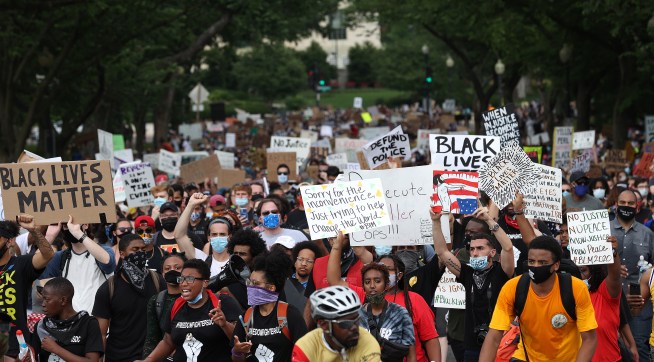
Last night a flurry of reports from CBS, The New Yorker, the AP, NBC news and others presented a new version of what happened a week ago Monday outside the Episcopal Church in front of the White House, what now seems clearly to have been a turning point, at least in the recent weeks of drama and perhaps in the history of the Trump administration itself.
The less important part of the story – and one which merits the most skepticism – is that Secretary of Defense Mark Esper and Joint Chiefs Chairman Gen. Michael Milley reportedly weren’t aware of what was happening when they agreed to walk with the President to St. John’s Episcopal Church after a mix of federal police and national guard troops forcibly cleared Lafayette Park of protestors.
The more interesting part comes earlier in the day.
Join
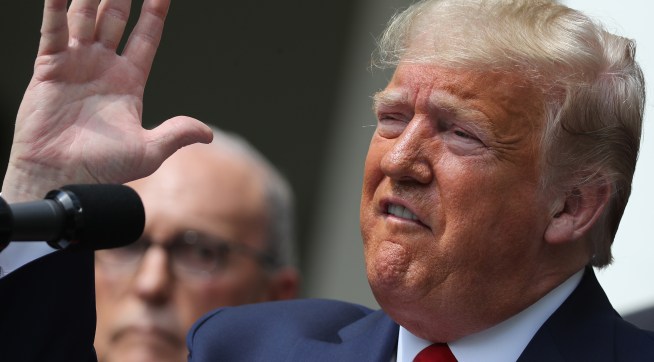
There is now if not a consensus at least an emerging question whether President Trump has reached a turning point in his Presidency from which he cannot recover. It is sobering to consider the unfolding gyre of crises. We are in the midst of an historic epidemic which has killed more than 100,000 Americans. We are in the midst of an historic economic crisis. We have witnessed two weeks of unprecedented demonstrations across the country. And if we think back to the calm old days before all this started less than four months ago, that was when the President was impeached after being exposed in an extortion plot aimed at gaming the November election.
Join
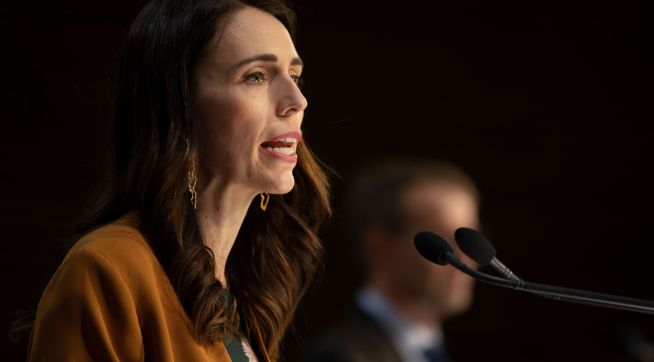
After imposing a strict lockdown across the country early-on in the coronavirus outbreak, New Zealand seems to be the first country around the globe to fully eradicate COVID-19.
Join

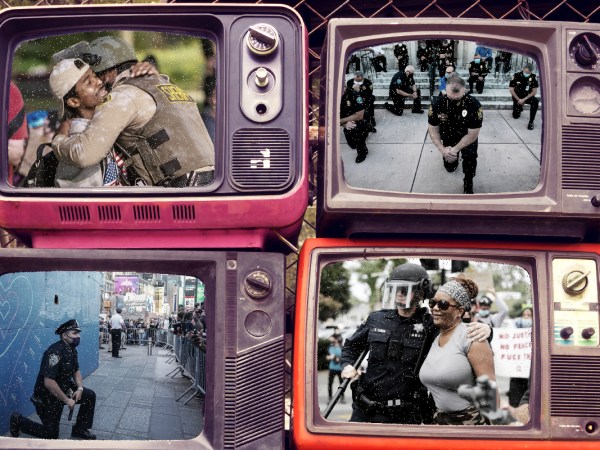


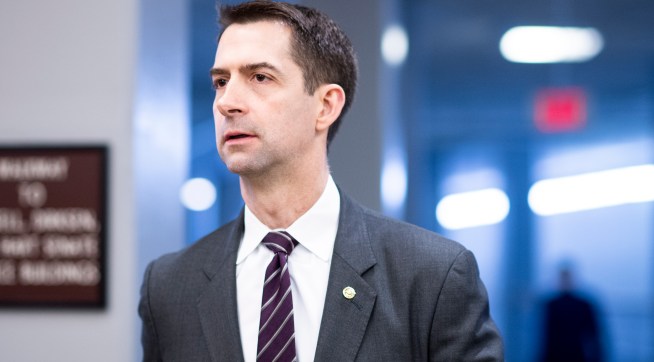
Regardless of who-pitched-who, Sen. Tom Cotton (R-AR) clearly knew what he was doing — and what he was getting away with — with his New York Times op-ed pushing the use of military force against protesters demonstrating against police brutality and the death of George Floyd.
Join
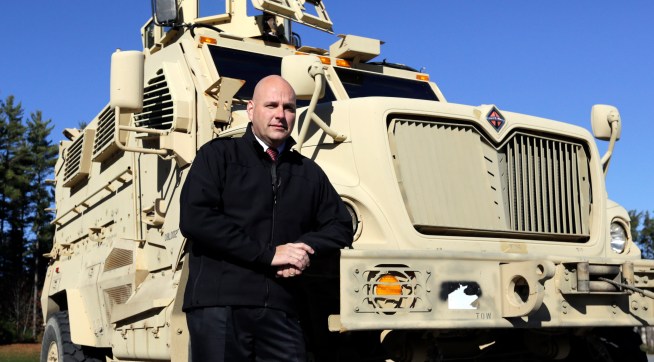
Police abuse of minority communities in the United States is a story stretching back decades and centuries. The militarization of American policing is a much more recent phenomenon though the two phenomena have overlapped and compounded each other. Much of this debate over militarization has focused on the Pentagon’s 1033 Program which charges the Secretary of Defense with donating surplus military hardware to the nation’s thousands of police departments. (The photo above is of an MRAP, a vehicle designed to withstand IEDs and guerrilla ambushes. Numerous US police departments have them.) But there is another dimension of the story that has only partly made its way into the national conversation about policing and violence. The United States has been in a constant state of war since the end of 2001 and in many ways since the Gulf Crisis of 1990. Through numerous channels this has led to a broad militarization of life in the United States. Policing and military hardware is only the most obvious manifestation.
Join