


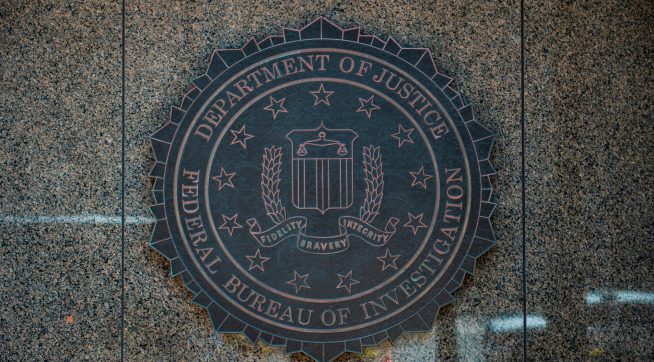
Two new nuggets from the latest AP report on the DC caper we’ve been discussing through the day. Prosecutors allege that one of the two men accused of impersonating federal agents told witnesses that he was associated with the ISI, the Pakistani intelligence agency. He apparently also had visas showing multiple recent visits to Pakistan and Iran. Prosecutors also told a judge at a hearing today that during the raids on the men’s apartments FBI agents found “body armor, gas masks, zip ties, handcuffs, equipment to break through doors, drones, radios and police training manuals.” Yikes.
Join
As we wait to hear more about the arrest of two men trying to infiltrate the Secret Service there’s one part of the story I want to highlight. Multiple U.S. Secret Service officers accepted free apartments for roughly a year from one of the accused men, Arian Taherzadeh. The value of these gifts varied from just over forty thousand to just under fifty thousand dollars annually. This is in addition to various other gifts.
Join

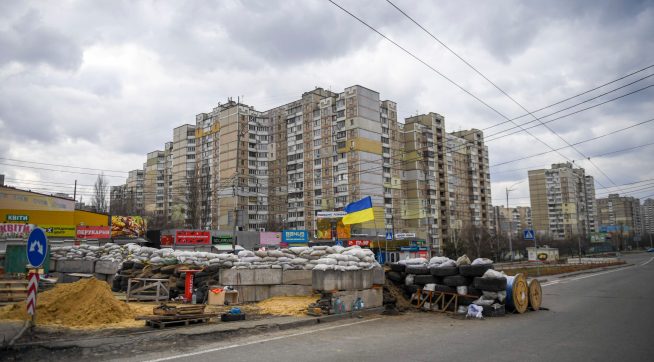
In the first weeks of Russia’s invasion of Ukraine we saw what appeared to be almost universal global condemnation of Russia’s actions. There was that lopsided UN vote condemning the action in which only four other nations, all pariahs or under de facto Russian occupation, took Russia’s side. But over time, a somewhat different story has emerged. Russia has very, very few backers. But there’s a big chunk of the world, likely the majority of the world’s population, living in countries where the governments basically do not want to take sides.
Read More
We have mentioned to you a few times what you almost certainly remembered: that President Trump’s first impeachment was over Ukraine and that Trump’s disgraced 2016 campaign manager Paul Manafort’s work was in Ukraine for the Russia-aligned former President of Ukraine. But there’s more to it than that. If we step back we can see a thread stretching back at least a decade, weaving from one crisis to the next until this moment. We start in the uprising against Viktor Yanukovych, the so-called Maidan Revolution, an event which was triggered by Yanukovych’s decision to move away from integration with the European Union. Vladimir Putin has always blamed Yanukovych’s ouster from power on the U.S. And this was actually the context for an incident which people in the U.S. foreign policy and national security world later saw as a harbinger of what was to come.
Join
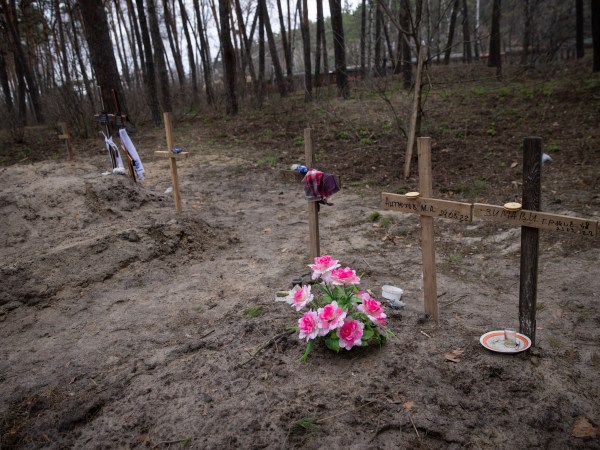
The Times has this harrowing, disturbing report from Trostyanets. It’s a good, reported, observational piece on what happened. One key takeaway is that civilians describe the initial Russian occupying force as professional and agreeable enough. Eyewitnesses describe many of them as disoriented, not even quite sure why they were there. (Remember, the Russian soldiers apparently had very little advance warning they were actually going to war.) But as time went on they got antsy and started running low on supplies. That led to a cycle of looting and the tensions that follow from it. But things really went bad when this initial force was cycled out and replaced with Chechen separatist paramilitaries.
As I’ve mentioned to you before, I continue to find Michael Kofman, who works at CNA, the big Navy think tank, the most measured and informative analyst for information on the war in Ukraine. Today he posted a Twitter thread which has as many questions as answers. But there’s a key dynamic I want to highlight. We tend to make fun of the Russian insistence on calling the Ukraine war a “special military operation.” But this turns out to have important real world implications.
Join