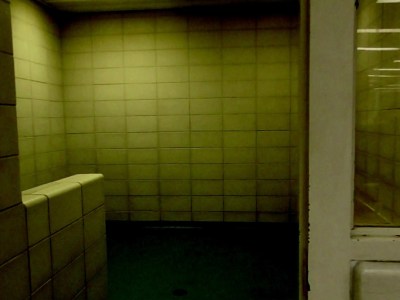
When the American team arrived in Iraq in the summer of 2003 to repair the Qarmat Ali water injection plant, supervisors told them the orange, sand-like substance strewn around the looted facility was just a “mild irritant,” workers recall….
But the chemical turned out to be sodium dichromate, a substance so dangerous that even limited exposure greatly increases the risk of cancer. Soon, many of the 22 Americans and 100-plus Iraqis began to complain of nosebleeds, ulcers, and shortness of breath….
Now, nine Americans are accusing KBR, then a subsidiary of the oil conglomerate Halliburton, of knowingly exposing them to the deadly substance and failing to provide them with the protective equipment needed to keep them safe.
But the workers, like all employees injured in Iraq, face an uphill struggle in their quest for damages. Under a World War II-era federal workers compensation law, employers are generally protected from employee lawsuits, except in rare cases in which it can be proven that the company intentionally harmed its employees or committed outright fraud.
KBR is citing the law, called the Defense Base Act, as grounds to reject the workers’ request for damages.
But the company’s own actions have undermined its case: To avoid payroll taxes for its American employees, KBR hired the workers through two subsidiaries registered in the Cayman Islands, part of a strategy that has allowed KBR to dodge hundreds of millions of dollars in Social Security and Medicare taxes.
That gives the workers’ lawyer, Mike Doyle of Houston, a chance to argue to an arbitration board that KBR is not an employer protected by federal law, but a third-party that can be sued.
The whole horrid story is worth a read.