Better late than never!
Executives at Facebook and Twitter on Wednesday afternoon joined the mass online protest against the two pieces of anti-piracy legislation being considered by the U.S. Congress.
But the two popular social networking websites stopped short of substantially altering their homepages for U.S. users, compared to the estimated 7,000 other sites around the Web — including Google, Wikipedia and Craigslist — that either blacked-out their content entirely or or put obvious links on their homepages to messages protesting the Stop Online Piracy Act (SOPA) and the PROTECT IP Act (PIPA).
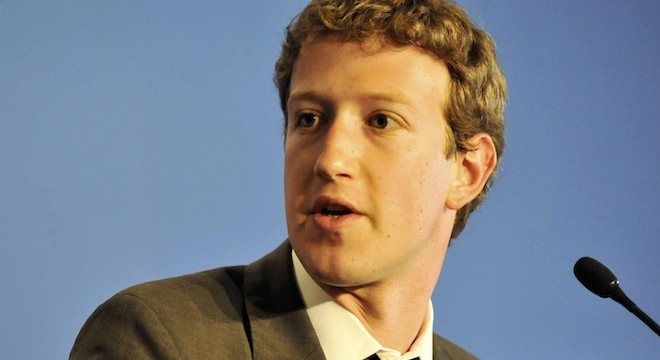
Still, Facebook founder and CEO Mark Zuckerberg came out against the legislation in a midday post on his website, the world’s most popular social network:
The internet is the most powerful tool we have for creating a more open and connected world. We can’t let poorly thought out laws get in the way of the internet’s development. Facebook opposes SOPA and PIPA, and we will continue to oppose any laws that will hurt the internet.
The world today needs political leaders who are pro-internet. We have been working with many of these folks for months on better alternatives to these current proposals. I encourage you to learn more about these issues and tell your congressmen that you want them to be pro-internet.
You can read more about our views here: https://www.facebook.com/FacebookDC?sk=app_329139750453932.
Zuckberg’s link takes readers to Facebook’s official DC page, where the company explains succinctly “How We See the Online Piracy Debate,” and outlines its position as follows:
“PROTECT IP and SOPA could create very real problems for Internet companies like ours that are a primary driver of innovation, growth, and job creation in the 21st century economy. The bills contain overly broad definitions and create a new private cause of action against companies on the basis of those expansive definitions, which could seriously hamper the innovation, growth, and investment in new companies that have been the hallmarks of the Internet. In addition, we are concerned about provisions in the bills that could chill free expression or weaken the Internet’s architecture.”
Facebook noted that over 40,000 people had “Liked” the DC page in the hours after it posted the news about the company’s stance on SOPA and PIPA.
Facebook also took pains to point out that it does not support piracy and reminded users that they can report copyright and other IP infringements using the following form. Facebook also allows users to contest their content being removed over copyright claims, explaining more about this process here.
Other Facebook executives, including chief operating officer Sheryl Sandberg and vice president of public policy Elliot Schrage, also posted notes linking to Facebook’s DC page and voicing their opposition to the bills.
Twitter’s participation in the protests was even more subdued, but perhaps that was to be expected, given that Twitter CEO Dick Costolo on Monday tweeted that he thought the blackouts were “silly” and “foolish”. At the same time, however, he teased that Twitter would voice its stance on SOPA and PIPA in some other fashion, tweeting “Watch this space,” to Alex Howard of O’Reilly Radar.
Well, we watched and saw a few tweets from Costolo and Twitter co-founders Evan Williams, Biz Stone and Jack Dorsey against the bills and in support of the blackouts and legislators switching sides, but nothing on the official Twitter blog, at least not at the time of this posting.
Facebook and Twitter declined to comment on their actions against SOPA and PIPA aside from the public posts by their executives. Still, with even Google putting up a black censorship banner, it appears as though while much of the U.S. Internet community is against SOPA and PIPA, certain members are willing to do more about it than others.