


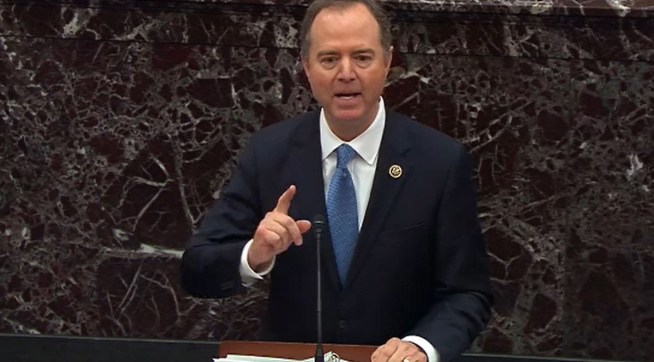
Today is the one year anniversary of Donald Trump’s impeachment. One year is not that long ago. Yet it seems almost like a lifetime. I’ve been watching discussions about whether it was worth it, what impact it had on the 2020 election and whether the Democratic opposition’s strategy looks good or bad in retrospect.
On this point intra-Democratic bickering is still hung up on whether it was a mistake or not to keep impeachment narrowly focused on President Trump’s extortion scheme in Ukraine. It’s not like there weren’t other things President Trump had done that could merit removal from office. Little more than six months earlier the Mueller Report had included voluminous evidence that the President had obstructed justice at the very least.
So why limit an impeachment inquiry to just his latest crime?
JoinThere’s so much news that we haven’t wanted to give all the front page real estate over to our 20th Anniversary (“twenty years, twenty tales”) package. But I do hope you’ll find time this weekend to read the two latest additions to the package and those which we published earlier in the week. Nicole Lafond tells the story of TPM alum Hunter Walker’s trip to Toronto to bestow the Golden Duke Award – the actual physical figurine award – on the late Rob Ford, then Mayor of Toronto. Summer Concepcion tells the story of how the TPM union came to be.
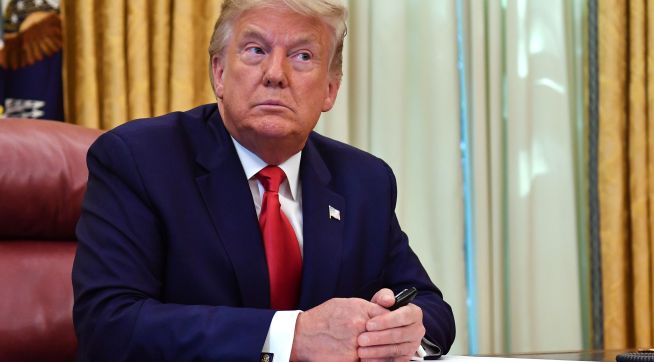
You’ve likely seen the reports (in the Times, Politico and Axios) of this White House meeting yesterday involving Rudy Giuliani, Sidney Powell and various administration officials in which President Trump seemed to back increasingly outlandish and illegal ploys to overturn the result of the 2020 presidential election, the results of which are now certified, final and over. What is buried a bit in most of these stories is that Mike Flynn was at the meeting too.
Given her wild conspiracy theories and the litigation she’s pursued around the country, the focus on Powell is understandable. Trump is reportedly considering making her a “special counsel” to investigate the election, whatever that might mean. But I think we need to see Powell as essentially a creature of Mike Flynn, at least inasmuch as she holds Trump’s attention. It’s Flynn who has had a unique connection to and hold over Trump going all the way back to 2015.
JoinYou’ve probably seen a flurry of news about this new variant of the COVID virus spreading in the United Kingdom. Focus on it has increased rapidly over the last 48 hours and Canada as well as a number of countries in Western Europe have instituted temporary bans on plane flights from United Kingdom. (As I write, the US has not followed suit.) Good information has been hard to come by both because it tends to be highly technical and also because the most knowledgable people have very limited information.
Fears about the new variant can be roughly classed into three categories. First, that it spreads more efficiently than earlier COVID variants; second, that it might be making people more sick; third, that it might be more resistant to the new vaccine.
Obviously the science and technical details are entirely beyond my knowledge. So I will try share what I’ve found and point you to trusted sources. As far as I can tell the only substantial concern based on what is currently known is the first I mentioned, that this variant may spread more efficiently than earlier strains. But even that is not clear. The best overview I’ve seen is this one by Kai Kupferschmidt in Science, published yesterday evening. It’s probably the best place to start. Deeper into the technical details here’s the report of an expert advisory group (NERVTAG) advising the UK government which found “moderate confidence that [the new variant] demonstrates a substantial increase in transmissibility compared to other variants.”
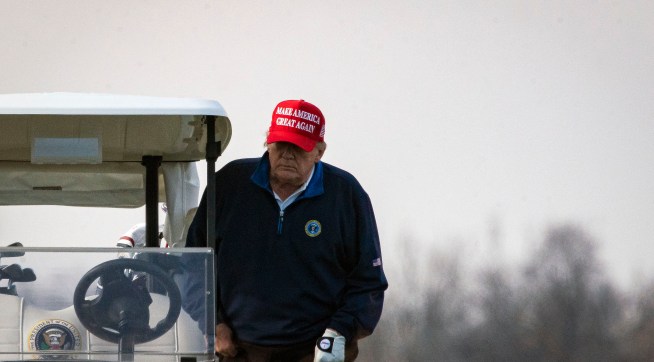
Quarantine has forced some of us to spend quite a lot of time in isolation with some … unique characters to say the least.
But President Trump — who, unlike the rest of us, has spent little time actually quarantining since COVID-19 first hit the U.S. — is actively choosing to keep the company of out-there characters.
JoinThis is the ultimate measure of the COVID pandemic in the United States: at least 400,000 more Americans died in 2020 than died in 2019. The total is about 3.2 million, the first time it’s ever been more than 3 million. Not all of those deaths were due to COVID infections. The official COVID death toll is currently around 320,000. But virtually all are due to the pandemic – both COVID infections and collateral impact, which can range from acute stress (grief, economic dislocation) to degraded quality of medical care and myriad impacts of everything that has happened this last year.
If we transport ourselves back to those first weeks in January and February, when COVID was a thing happening in China that over time seemed more and more likely to end up in the US, this is what we could have known: that the impact would mean more than 400,000 people in the US would end up dying who wouldn’t otherwise have died in 2020.
In addition to pardons for Jared Kushner’s father and Roger Stone, President Trump this evening issued a full pardon for Paul Manafort.
Yesterday, as the news set in that President Trump had pardoned almost everyone involved in the Russia scandal, I saw an editor at one of the big political publications say that with this step President Trump had taken one more step in erasing the Mueller probe. This is wrong. And explaining why it’s wrong gives me another opportunity to reaffirm my belief that knowledge, a public accounting of what happened is far more important than punishment for individual wrongdoers.
To all who celebrate, either as a Christian holiday or a secular celebration, Merry Christmas! I want to thank all of our members and readers who have been with us through this arduous year, supporting our work, reading our work, continuing to make this enterprise possible. Thank you. And have a wonderful, nurturing and revivifying day.
One of the pleasures for me of this 20th anniversary package, as I’ve mentioned, is reading each installment fresh. I was interviewed for a few of these pieces and answered some questions. But I didn’t write them or have any role in the process other than that. It’s good to have a second set of eyes. And there are parts I’m learning about for the first time. The latest installment from Tierney Sneed looks at how our coverage of Obamacare helped shape the niche TPM’s DC office would carve out in the capital news ecosystem and within TPM. The legislative, implementation and political history of Obamacare is certainly one of the two or three stories we’ve invested most time and resources in going back 20 years. As Tierney explains, the long story of Obamacare played to two critical TPM strengths: a basic seriousness about and knowledge of the policy detail which is often just a background story in political journalism and an attention to the subterranean political world that often, cryptically, drives formal or official political narratives.
Both those strengths allowed our evolving team to see developments and land exclusives that others missed on this critical, consequential story.