


The Obamas reading Where The Wild Things Are last month on the White House lawn.
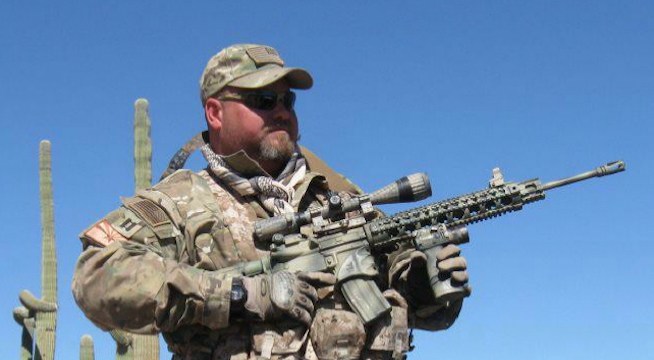
Besmirching the dead isn’t my style, even when the decedent in question was a heavily armed neo-Nazi white supremacist who stands accused of murdering four people, including a toddler, before turning his gun on himself.
But I don’t think it’s unfair to J.T. Ready to point out that the FBI says it’s looking into a number of unsolved shootings of immigrants in the Arizona desert during the time Ready was leading a band of border guard vigilantes.
Was he involved? No evidence has emerged yet that he was, but authorities are investigating that possibility. For now though, Ready has been cleared in one of those killings, a double homicide last month.
Checking in from the coop, TPM Reader SB reflects on Obama’s gut check moment …
This whole framing of the difference between Romney and Obama on the auto bailout really highlights their personalities. At the time of the bailout, I think general sentiment was, “Screw the US automakers. They made terrible decisions and should pay the price.” At least for me and my group of progressive friends. Honestly, I was angry at the US automakers.
A big Washington Post story last week reported that the economic dislocation of the last four years had significantly reduced Hispanic and African American voter registration numbers nationwide. Under economic distress, uprooting and relocating, a lot of minority voters simply hadn’t managed to re-register. That makes intuitive sense, and it’s the kind of subterranean socioeconomic or demographic shift that can have big impacts on election outcomes.
But the story of those registration numbers is actually a bit more complicated than that. The raw Census data the Post relied on isn’t the best proxy for voter registration, an expert in the field tells TPM. Another tell that there may be more to this story: rather than using the Post piece to exhort its legions of field operatives and volunteers, the Obama campaign is dismissing it.
Brian Beutler has our story.
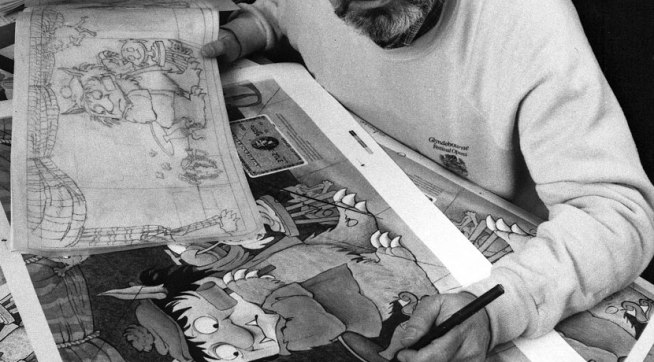
I got an inkling that something was amiss when our assistant editor suggested I add mention of Where The Wild Things Are to this post. So I informally polled the 20somethings on our team and sure enough Maurice Sendak was not a top-of-the-brain name for them. Some hadn’t heard of him, for others it rang a bell but wasn’t immediately clear who he was. This despite the 2009 motion picture treatment of Where The Wild Things Are (which raises another point: In The Night Kitchen doesn’t get its due).
Were children of the ’80s not saturated with Sendak the way we were in the ’70s? Is my sample size too small? For what it’s worth, Shel Silverstein was more familiar to this cohort. So maybe there is hope? Read More
TPM Reader PP is feeling a little curmudgeonly today (and that’s not a bad thing):
Is Romney taking credit for the auto recovery really anyone takes seriously? Besides getting tied up in irritation about what his position really was, the frank facts of history are that it doesn’t matter what his positions were/are/might have been, anymore that it mattered what I or you or most people thought at the time.
Former auto czar Steve Rattner reacts to Mitt Romney taking credit for the auto bailout: “I’ve read, I think, everything Romney’s had to say on this subject, and the level of flip flopping and dissembling is truly mindboggling. He’s been on every side of the auto rescue at different times and said different things, so it’s hard to know what he honestly thinks.”
Look, former auto czar Steve Rattner isn’t an unbiased observer on the auto bailout. He’s a longtime Dem fundraiser who was directly involved in the bailout (there was also that whole New York state pension fund unpleasantness). I don’t expect Rattner to cut Mitt any slack. But he made one point in our interview with him this morning that bears repeating.
Before we even got to the managed bankruptcy in 2009 that Romney says he called for all along, there were a series of emergency loans in late 2008 to the carmakers from the federal government that Romney opposed. This isn’t a throwaway use of the word “emergency.” Those were do-or-die loans. There was no time to go through a managed bankruptcy then. Those loans are what kept Detroit afloat until a managed bankruptcy. Romney opposed them. If Romney’s position had prevailed, there would have been no emergency loans and no auto industry left to put through a managed bankruptcy.
Ferocious pushback from 20something fans of Maurice Sendak.