


We held an event Wednesday evening at a bar in Brooklyn, co-hosted by TPM and Marisa Kabas’ indy site The Handbasket. I really enjoyed it and I wanted to thank everyone who came out. We have an expanding roster of in-person events. We’ve held events in Chicago, Boston and Austin over the last year or so — usually live podcasts — and we do them more frequently in our home bases in New York and D.C., where they’re easier to put on. Please join us for one of these when we do one in your area. They’re so much fun and it’s really special to meet and spend time with members of the far-flung or sometimes close-flung TPM community.
It’s become a cliche of the politics of this moment that the one thing that unites all Americans in our polarized age is that they hate data centers. But a dimension of this occurred to me during the discussion between Marisa and I that was moderated by TPM publisher Joe Ragazzo. I hadn’t thought of it before.
It’s not just that people don’t want data centers in their backyards or regions. We basically know why they don’t want them. They’ll bogart all the electricity and water. Drive up rates. Wreck the environment. There’s another dimension of it though. The throughline of this age is that you’ve got these big tech platforms that can do anything they want. It is a society-driving spectacle that is there in plain sight and yet still under-appreciated. AI itself captures all of this. We’re told by its makers that it will take away everyone’s jobs, require unimaginable new supplies of energy, has a non-trivial shot at leading to the extinction of the human race … and this is the argument of its supporters! The point is that there is this very small group of men running a handful of mega tech platforms and they’re making the decisions and it basically doesn’t matter what we think. Not just you and me individually but us collectively. It’s their world. We’re just living in it.
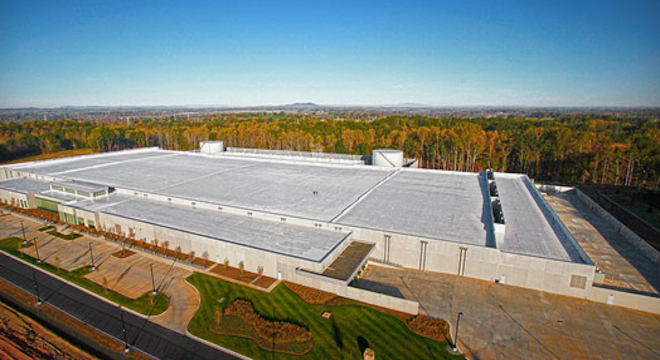
Some of this is the fact that these companies are so big and their monopoly power is so great and they have such stores of money that they just roll over everything in their path. But it still has something to do with the nature of the tech world and the internet itself. It’s ubiquitous and yet not quite anchored anywhere. And yet data centers change all of that. They’re vast, physical, brick-and-mortar fortresses. And they come under the rule of local zoning laws and water districts and the regular bric-a-brac of local self government. And suddenly that changes everything.
Because the little people can say no. And the big boys can scream and shout and cajole and spend their money and that can work. But not always. Maybe not even mostly. What they can’t do is just say, who gives a fuck; we’re doing what we want. And that kind of changes everything. Our whole society today is filled with spectacles of total or near-total power. We see it with Big Tech. We see it with Trump. And here we see a case of the total power hitting a road block. And that serves as kind of a counter-symbol that has immense power well beyond just where a data center does or doesn’t get built.
We hear Elon Musk now keep on yakking about how he wants to build his data centers in space. And we can set aside whether that makes any technical sense. But that captures the essence of the plutocrats’ dreams. Because Musk believes he can do anything he wants in space as long as he has the tech and money to do it. There are no county councils in orbit. And that’s always been the hidden driver behind the fantasies about colonizing the moon or Mars, or founding “network states” on some man-made island in the Pacific or some chunk of land that can be squeezed out of Belize or Honduras or Greenland. Total freedom, total power. No obstructions. No annoying people and votes and county council and just the annoyance of people you don’t own or who don’t have to answer to you. And that’s why the data center meta-story has symbolic potency way beyond everyone agreeing across party lines or the particulars of any one zoning meeting.