


Just before I began writing this post, I saw this article from The Washington Post about the rise of billionaires in American politics. Given Bezos’s ownership and the recent shift in its editorial policies I’m mildly surprised they published it. The key points aren’t terribly surprising. But it brings them together in one place — the vast growth in billionaire giving over the first quarter of this century, the rapid trend from a relatively even partisan split to overwhelming giving to Republicans. It is among other things the story of billionaires becoming increasingly class conscious. It’s always been true that money buys influence in American politics. In some ways, it was even greater and more brazen in the past since there wasn’t even the pretense of limits on giving or disclosure.
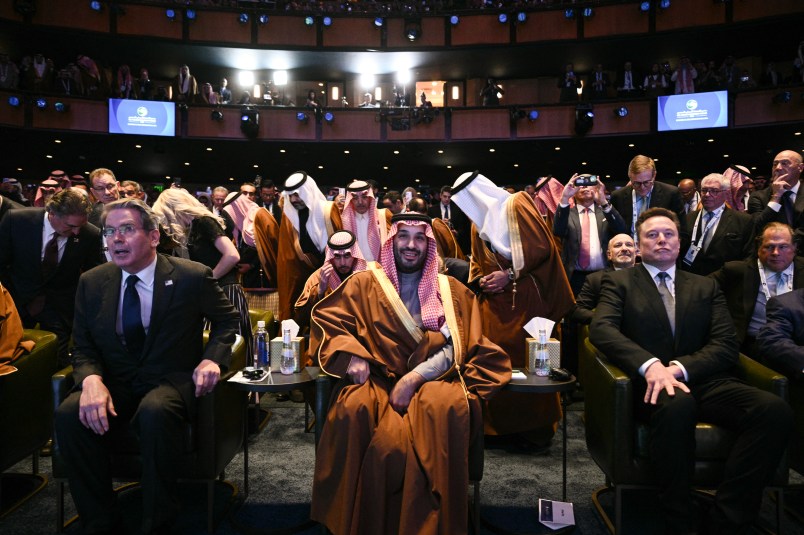
But the role of billionaire ownership of the political process has not only grown rapidly in recent years. Public recognition of that fact has, too, which has — perhaps paradoxically or perhaps not — spurred the drive for even tighter ownership. It’s no exaggeration to say that the deca-billionaire or even centi-billionaire class — setting aside those who might command a mere few billion dollars — act now as a kind of post-modern nobility, a class which does not rule exclusively but interacts with politics in a fundamentally different way from the rest of society.
Join TPM to get full-access to our reporting, newsletters, and other member-only features.