Is John Durham the “second coming of Patrick Fitzgerald“?
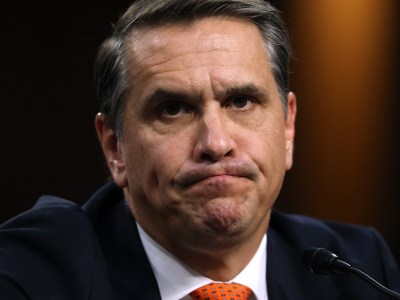
All indications are that Durham, a registered Republican, is a competent, independent, tough-minded prosecutor, precisely the type of lawyer you would want leading such a high-profile, complex, politically charged investigation.
But the investigation may be circumscribed from the beginning, not because Durham himself is somehow compromised personally, but because his brief is limited to investigating the destruction of the CIA torture tapes–not what’s actually contained on the tapes themselves, which reportedly depict the use of the most extreme “enhanced interrogation techniques” ordered by the White House.
Attorney General Michael Mukasey’s announcement yesterday of Durham’s appointment as acting U.S. attorney specifically referred only to the destruction of the tapes:
Following a preliminary inquiry into the destruction by CIA personnel of videotapes of detainee interrogations, the Departmentâs National Security Division has recommended, and I have concluded, that there is a basis for initiating a criminal investigation of this matter, and I have taken steps to begin that investigation as outlined below.
The New York Times report today similarly suggests that the destruction of the tapes is the focus of the investigation:
Justice Department officials declined to specify what crimes might be under investigation, but government lawyers have said the inquiry will probably focus on whether the destruction of the tapes involved criminal obstruction of justice and related false-statement offenses.
It’s simply not clear whether Mukasey has charged Durham with investigating only the tapes’ destruction, although that’s how House Judiciary Committee Chairman John Conyers (D-MI) reads it:
Equally disappointing is the limited scope of this investigation, which appears limited to the destruction of two tapes. The government needs to scrutinize what other evidence may have been destroyed beyond the two tapes, as well as the underlying allegations of misconduct associated with the interrogations.
Whether the CIA failed to preserve the tapes pursuant to one or more federal court orders or to turn them over to the 9/11 Commission are serious and legitimate questions. But the larger issue here is torture. At the end of the day, that’s what this is all about. And a federal criminal investigation that ignores or overlooks the conduct allegedly depicted on the tapes would do as much damage to the rule of law as the state-ordered torture did in the first place.