When you’re in the midst of extended, hard-fought negotiations and discover the other side has been negotiating in bad faith, do you (a) forgive and forget; (b) retract your own previous concessions; or (c) walk away from the table?
As it became publicly apparent this week Republicans were not acting in good faith in the debt ceiling negotiations — so apparent that even deep denial about the previous strong evidence of bad faith was no longer a sufficient buffer to reality — I was curious which of those strategies the White House would choose.We might have a clue from a Republican aide complaining Wednesday evening that the White House was going backwards on the size of the spending cuts it was willing to accept:
“Thursday it was $2 trillion, Monday it was $1.7-1.8 trillion, Tuesday it was $1.6-1.7-1.8 trillion. This morning our staff met with White House folks and the wrap-up from that meeting said that the White House is now at $1.5 trillion.”
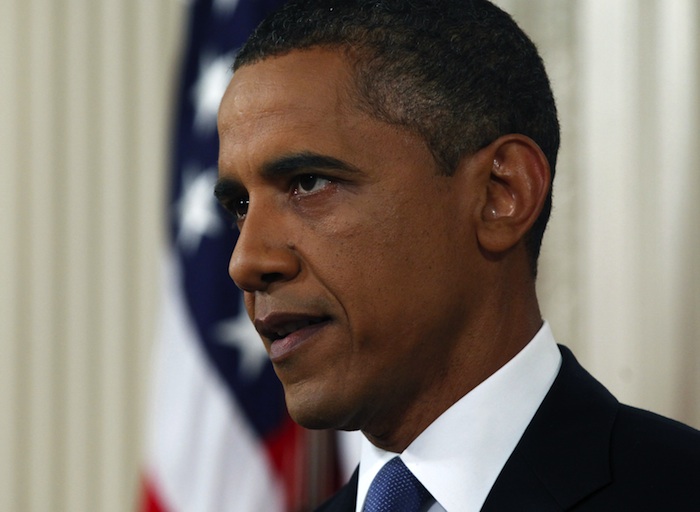
We need more evidence to be sure — and the GOP aide’s account needs to be treated with some skepticism — but it’s suggestive the White House is going with option (b). Obama’s rationale would be simple and sound: The more you jerk me around, the higher the cost of reaching a deal.