


There is a startling new development in the ongoing Trump/Russia story.
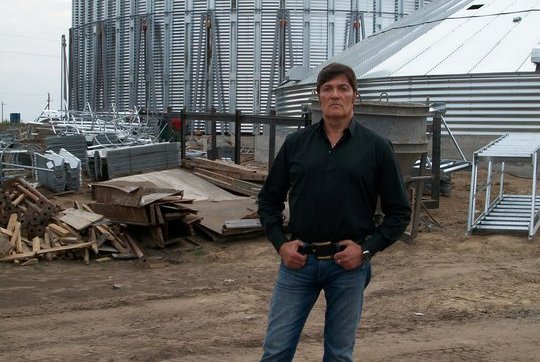
Last week I wrote about Michael Cohen and his extensive network of personal and business relationships in the Ukrainian-American emigre community. One of those was a man named Alex Oronov, who runs a major agribusiness concern in Ukraine. Oronov was a partner in the ethanol business Cohen and Cohen’s brother Bryan set up in Ukraine about a decade ago. Oronov is Bryan Cohen’s father-in-law. Today we learned that Oronov apparently organized that ‘peace plan’ meeting that brought together Ukrainian MP Artemenko, Cohen and Felix Sater. About four hours ago Andrii Artemenko, the Ukrainian parliamentarian who came to New York with that ‘peace plan’, went on Facebook to announce that Alex Oronov has died.
(I was first alerted to Artemenko’s post by Natasha Betrand of Business Insider who has been all over this story.)
Allegra Kirkland talks to GOP platform committee delegates about the Ukraine military aid switcheroo.
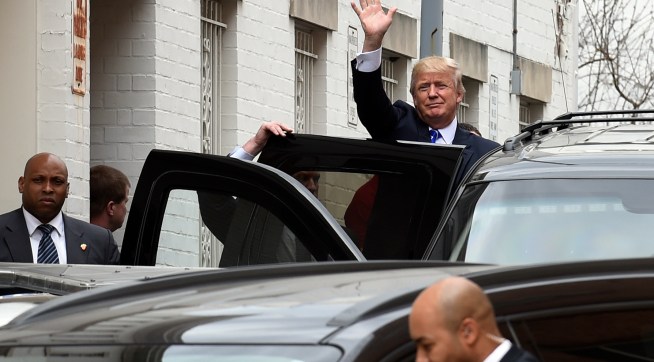
In the previous post I explained that Trump national security advisor, J.D. Gordon, who monitored platform deliberations for President Trump at the 2016 convention now admits he did push to soften language on arming Ukraine. He says he did so at the direction of President Trump.
We know this from a Thursday report from CNN’s Jim Acosta in which he said the following …
I asked Gordon why that, why did you advocate for the language. He said this is the language that Donald Trump himself wanted and advocated for back in March at a meeting at the unfinished trump hotel here in Washington, D.C. J.D. Gordon says then candidate Trump said he didn’t want to, quote, go to World War 3 over Ukraine. And so J.D. Gordon says at the Republican convention in Cleveland he advocated for language in that Republican party platform that reflected then candidate Trump’s comments.
This got me highly interested: what was this meeting in March 2016?
This is important if you care about the Trump Russia story. One of the first bits of news that attracted attention to this possible link was a Trump campaign effort to soften the GOP platform’s plank on Russia and Ukraine at the GOP convention. The Trump foreign policy advisor who was monitoring the platform committee for the campaign earlier denied any such effort. Yesterday he conceded that he did press delegates to soften the language. And he now claims he did so because of what now-President Trump told him at a meeting at the Trump DC hotel last March. Allegra Kirkland has the details.
Our Capitol Hill team – Tierney Sneed and Alice Ollstein – are doing a live chat in The Hive at 1 PM today for any and all of your questions about what’s happening on Capitol Hill, including the latest on Obamacare Repeal and everything else.
I’ve been writing about Donald Trump’s mysterious connections to Russia for close to eight months. Over that time, I’ve occasionally heard from law enforcement or intelligence types who say, “You’re on to something … Keep going.” To which I’ve wanted to reply, “Really?”
I say this half in jest but only half. I’ve always been highly skeptical of the more outlandish theories about Trump and Russia. Whether this is naïveté or the skepticism of experience I’m not sure. But whether we’re investigators or reporters or just people trying to make sense of the world we live in, it is important that we try to find the simplest explanation that accounts for all the facts we know. Relatedly, we should look for explanations which require as few leaps of speculation or unattested and fantastical facts as possible. It’s a life version of Occam’s Razor.
As you’ve likely inferred from my recent posts I’ve spent a lot of time in recent days and weeks piecing together different elements of the Trump/Russia story. I’ve brought other colleagues into the work and plan to expand that once we have people hired for the three new investigative positions I discussed last month. Today everyone is talking about the inexplicable news about Jeff Sessions. But there’s another dimension of the Trump/Russia story which has only become clear to me recently but which provides a critical backstory for understanding the background of this scandal and news story.
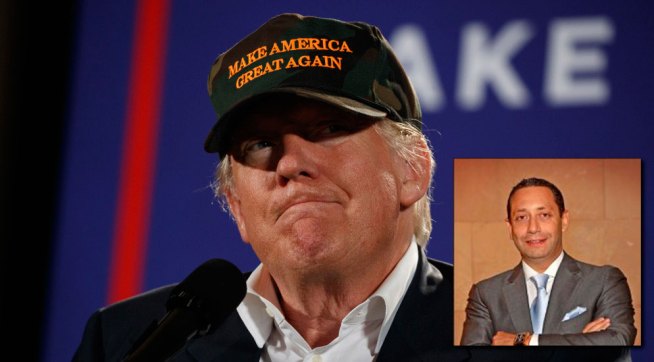
Let’s go back to the story of Felix Sater, the Russian-American immigrant, convicted felon and longtime Trump business associate we discussed last week.
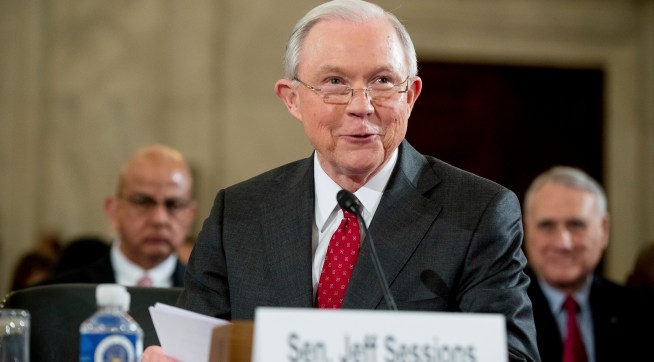
I don’t have a clear sense of how big a deal last night’s Jeff Sessions news will turn out to be. And I mean that both substantively – how much does it really matter? – and more generally – how will it be perceived, what effect will it have on the course of the broader story? As I wrote last night, this is much more about Sessions’ need to conceal the meeting than the meeting itself.
Interesting little scoop here from the Post. Attorney General Jeff Sessions met twice last year with Russian Ambassador Sergei Kislyak – once informally at a conference and a second time privately in Sessions’ senate office in September 2016.
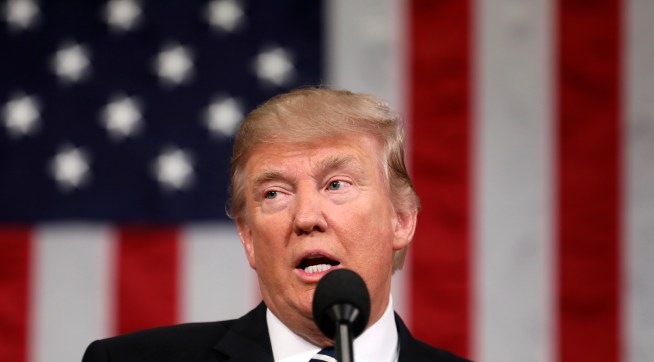
Donald Trump, 2/28/17: “We are blessed to be joined tonight by Carryn Owens, the widow of a U.S. Navy Special Operator, Senior Chief William “Ryan” Owens. Ryan died as he lived: a warrior, and a hero — battling against terrorism and securing our Nation. I just spoke to General Mattis, who reconfirmed that, and I quote, ‘Ryan was a part of a highly successful raid that generated large amounts of vital intelligence that will lead to many more victories in the future against our enemies.’ Ryan’s legacy is etched into eternity.”
NBCNews, 3/1/17: “The Pentagon says Navy SEALs scooped up laptops, hard drives and cell phones in last month’s Yemen raid, but multiple U.S. officials told NBC News that none of the intelligence gleaned from the operation so far has proven actionable or vital — contrary to what President Trump said in his speech to Congress Tuesday.”