


I’ve said many times that it’s the Republican Senate rather than Donald Trump who is on trial in this exercise. That seems confirmed by everything we’ve seen so far. Nothing we’ve learned from Lev Parnas or John Bolton in recent days adds anything material to what we know about President Trump’s actions. Yes, we have an even higher level of proof or confirmation. But when a fact is already obvious and indisputable it’s pretty hard to prove it more.
What we have seen is more and more evidence or at least a clearer and clearer illustration of what Senate Republicans will accept from President Trump. No real trial. No witnesses. Open arguments that using state power to coerce foreign leaders to sabotage U.S. elections is fine and indeed proper.
To my mind, Democrats have done a good job on this.
One day later Alan Dershowitz is having to walk back his novel theory that a U.S. President can solicit foreign interference in a U.S. election in his favor if he believes his reelection is in the national interest.

That is, if they want to continue with their acquittal cause.
President Trump’s legal team made it through the first day of questioning with several bruises, mainly from its attempts to answer questions about the underlying facts of the case against the President.
Join
Much of the commentary about the witnesses question has assumed that there are a half dozen or so so-called Republican moderates up for reelection in November and that the outcome of the trial will be determined by whether members of that group break ranks and call for witnesses. But new reporting suggests that just the opposite is closer to the case.
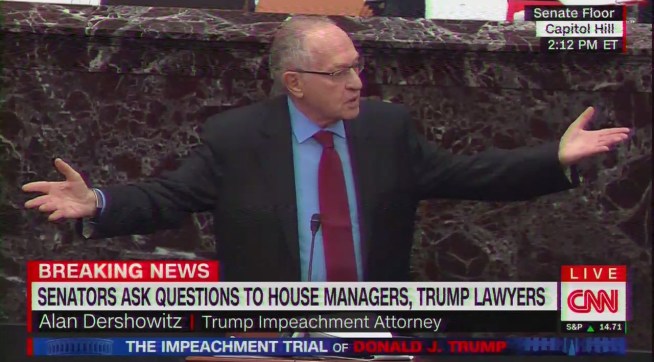
The argument given a few moments ago about quid pro quos from Alan Dershowitz was so disingenuous and willfully bamboozling that I think it’s important to briefly unpack it. Dershowitz argued that with many foreign policy decisions a President is both advancing the national interest and also looking to his personal political fortunes. That cannot be an impeachable offense, he argues.
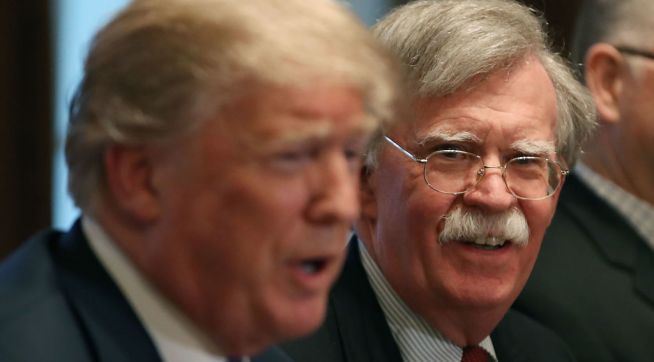
We’ve just had breaking news in an announcement from House Foreign Affairs Committee Chair Eliot Engel. He says that on Sept. 23, he spoke to John Bolton and Bolton “suggest[ed] to me — unprompted — that the committee look into the recall of Ambassador Marie Yovanovitch.” This was just as the original Ukraine story was breaking and shortly after Bolton was either fired or resigned his position on Sept. 10. This obviously adds to the drama over Bolton’s potential testimony and upcoming book. But it’s not the most important part of this.
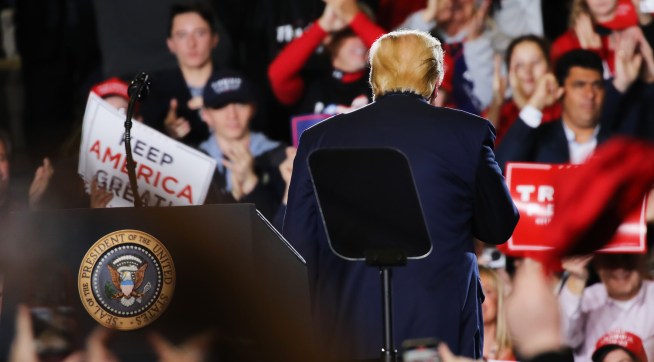
In the Trump world, it’s hard to keep up with who the President’s latest enemy is, even for his staunchest defenders. And the uprising against John Bolton this week has been no different.
Join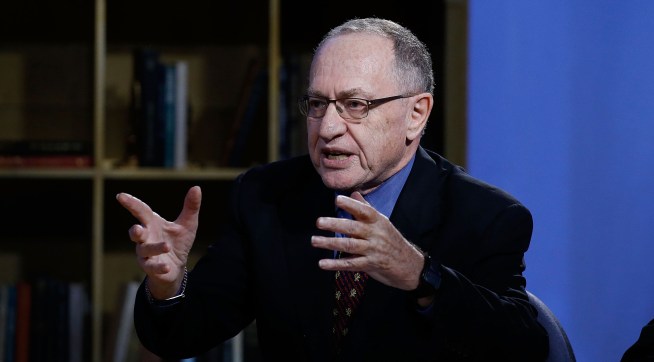
Before we move on I wanted to say a few words about this spectacularly self-regarding man, Alan Dershowitz, and his argument about the constitutional, rather than factual, insufficiency of the impeachment charges brought against President Trump. It is no exaggeration to say that the overwhelming bordering on universal weight of scholarly and historical opinion is that Dershowitz is wrong. But mine isn’t an argument to authority. It’s an overwhelming consensus because it is almost certainly correct. To note just one example, literally during the months in which the Constitution was being written Britain was roiled by an extremely high profile campaign for an impeachment which was on the basis not of statutory crimes but corruption and misrule.