


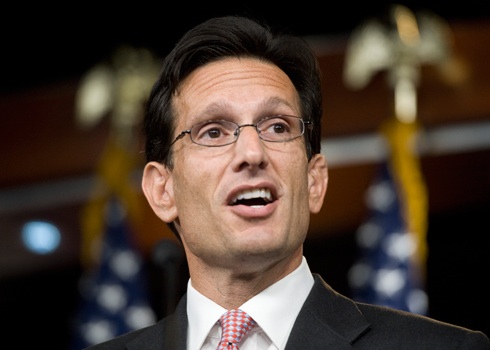
In the S&P’s argument for downgrading the US credit rating, the analysts placed particular focus on the GOP’s refusal to contemplate any revenue increases as a way of getting the country’s finances in order. Now Cantor is telling Republicans not to give into the pressure for compromise on taxes.
This piece on CNN Money says that “market observers tried to say the downgrade by itself shouldn’t matter — that it was expected and that the United States still has a strong credit rating … But the market wasn’t buying it.” And then it goes on to note that investors are rushing to buy up US Treasuries. Which seems to suggest that in fact the downgrade has not affected investors belief in the relative security of US debt. Indeed, it seems to be the only possible explanation of this move. Read More
You know how sometimes in real life and perhaps more often in police procedurals you’ll have a story where there’s a hostage crisis and negotiators successfully bargain to get the hostage released. But somehow through some mix of incompetence and carelessness the hostage takers manage to inadvertently let the hostage get killed anyway?
Starting to sound kind of familiar.
The really inside scoop on tomorrow night’s Wisconsin recall elections is that neither side appears to have a clear idea of what’s going to happen. The polls are neck and neck. And on top of that, this kind of recall election is so unprecedented that there simply aren’t any good models for how to predict turnout one way or another. Here’s the latest data on what to expect tomorrow night.
So just what was that $2 trillion error S&P made in its analysis of US creditworthiness? We explain.
Watch Live: Obama speaking at 1pm 1:30 PM on the aftermath of S&P downgrade.
Late Update: Now pushed back to 1:30 PM.
Gallup: Obama’s approval ratings perking up in crucial election states over the course of the last year.
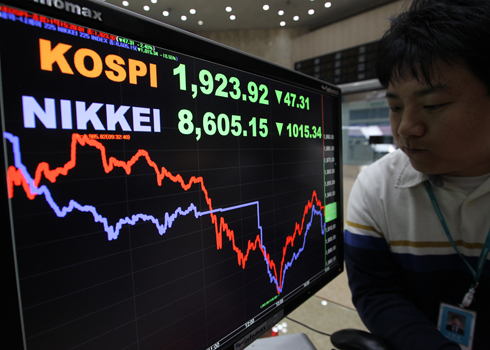
Krugman makes a pretty decent point about the aftermath of the S&P downgrade. If the markets were heeding that message you’d expect the rates the US has to pay to borrow money would be rising, as it became harder to convince investors that owning US debt is essential risk free. But the reverse is happening so far today: the rate has dropped pretty consistently through the day. In other words, the reaction to market volatility seems to be for people to rush and buy treasuries.
Now, speaking as a non-economist, I’m not so wedded to the idea of market rationality that I think you can’t have a lot of market instability triggered by the downgrade and simultaneously have investors reacting to the instability by buying up US debt. But that’s just me. In any case, it does suggest that in general investors have not put much stock in the S&P’s judgment.