It doesn’t change my take on the legalization question. But TPM Reader RG has what I think is the best counter-argument …
I teach a graduate-level class in drug use epidemiology, and we spend a lot of time talking about alcohol and tobacco as well as illicit drug use. We have one lecture that covers marijuana policy, and I close with a slide picturing “Joe Camel” and the question “Do we really want to hand control over to these guys”?
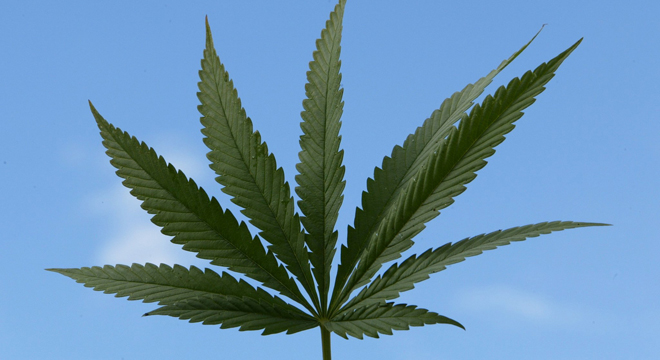
I don’t quite understand how people who are generally skeptical of the unfettered profit motive and the influence it has over our civic life can support the further commercialization of addicting drugs. (For the record, I view marijuana as more addicting than alcohol, but less so than nicotine – but commercialization will almost certainly result in a rise in its abuse potential). Commercial cigarette manufacture has been, and continues to be one of the biggest preventable public health disasters in history – and alcohol is no success story either. Strangely, these commodities are always used as examples of how marijuana should be regulated.
Once commercialized legalization occurs, meaningful regulation will become more and more difficult. Prices will go down, use and addiction will go up. Any attempt to correct this through taxation or other regulation will be met with cries of “nanny-state” and astro-turfed campaigns from recreational (white middle-class) users who won’t bear the brunt of adverse consequences. “Big Pot” will have as much say in DC as Anheuser-Busch and Phillip Morris do now. We’ve seen the movie before – it doesn’t end well.
For the record, I’m entirely in favor of decriminalization, growth for personal use, etc. – and there is enough precedent to show that the harms associated with this approach are tolerable. But legal, commercialized pot is a whole other issue, and once the cat is out of the bag, there is no going back.