

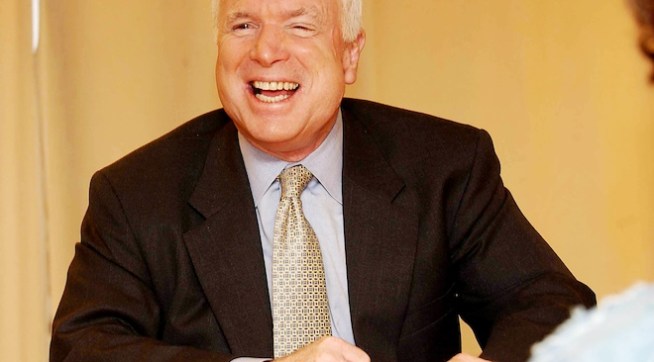
There’s simply no elevating it. Sen. McCain’s (R-AZ) entire game here is about score settling and holding on to what is arguably the only thing he was right about in the last 20 years. The ‘surge’ McCain may have been right about. There’s a decent argument. But, of course, this is one move in the larger Iraq story which is undeniably one of the biggest foreign policy catastrophes in modern American history — and one which John McCain is one of the great authors of. What a sad little man.
The country is still paying a great cost for the ego bruise that Sen. McCain suffered in 2008. Even more than that, he’s stung by the mountains of criticism tied to his original advocacy of the Iraq War and all the lies that brought the country into it. It stings. Thus the endless flogging of the surge. This is payback. Nothing more.
Wake me up when McCain tells Hagel to get off his lawn.
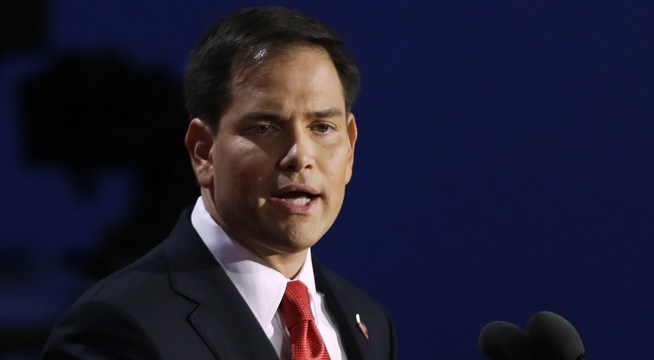
The early immigration reform efforts on Capitol Hill have drawn conservatives into a debate with each other over the relative political merits of joining Democrats in providing immigrants a path to citizenship.
The poles of that debate stretch from the argument that Republicans risk handing Democrats a permanent majority to the more panicked view that Republicans can’t afford not to support reform. In between, some hedge that reform might stanch the bleeding, but won’t revive the GOP’s standing with Latino voters.
As far as that argument goes, I think the truth lies somewhere in the middle. But confining the analysis to the question of how immigrant communities will respond to reform is an error. Read More
11:15 — Finally, some fireworks. McCain just hit Hagel pretty hard for his past opposition to the Iraq surge: “History has already about made a judgment about the surge, sir, and you’re on the wrong side of it.” Hagel shot back, calling the Iraq war “the most fundamental, bad, dangerous decision since Vietnam.” The exchange was obviously motivated by politics — and certainly made for some good TV — but I think its worth giving both men a bit of credit for having an unusually honest debate about Iraq, which has utterly faded from public consciousness. I lived in Iraq for several years, lost many American and Iraqi friends there, and admit to both personal and professional frustration about how completely the war and its aftermath have been forgotten. Iraq remains worth of discussion and debate, and I’m glad this hearing has brought it back up, even if only for a few minutes.