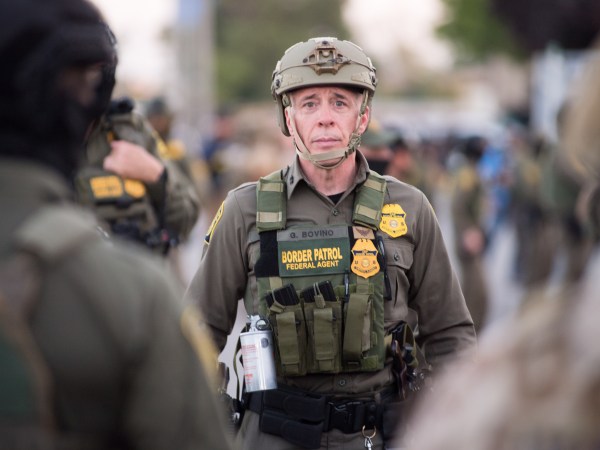
News just moved today that federal prosecutors in Minneapolis have brought conspiracy charges against 15 Minneapolis demonstrators whom the government has identified as being members of “Antifa.” (I don’t know when or if “Metro Surge” officially ended. But apparently most of the incidents are more recent than the period this winter when Renee Good and Alex Pretti were killed.) Our team is currently reviewing the indictment; check out Kate Riga’s latest for more details about the case. But I checked in with staff and our initial sense is that it is likely yet another case of overcharging, perhaps comparable to what happened in Broadview. It contains the same legal theory in which a protest amounts to a conspiracy in which every member of the protest is legally responsible for anything any other protestor does. It’s a dagger at the heart of the 1st Amendment.
Read More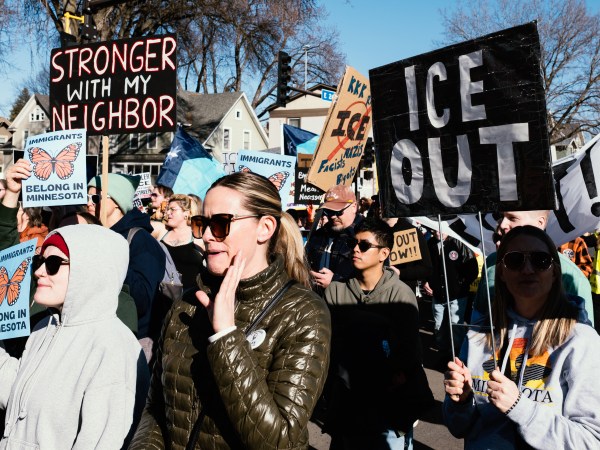
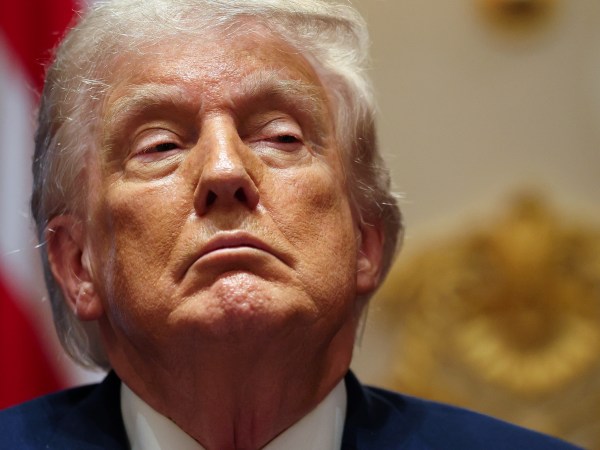

There’s no question that Trump’s Iran War has been a disaster for the United States. There’s no way around that. The U.S. can absorb the cash costs of the conflict without too much difficulty. But along with everything else Trump has done over the last 18 months, it has given the U.S. the reputation of what amounts to a rogue state. Rebuilding trust in U.S. actions and intentions at best will be a very long process. The conflict has also redounded massively to the benefit of China, the only real peer competitor to the U.S. on the global stage.
But I wanted to point out two impacts of the war which are some versions of positives even if they are secondary effects of a disastrous adventure that never should have happened.
Read More
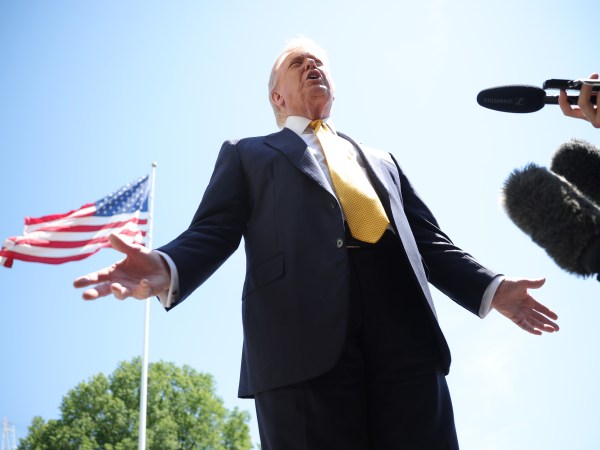
We are still, bizarrely, having to make sense of the Iran-U.S. “deal” on the basis of two or three different texts which are circulating on an unofficial basis. Meanwhile, the U.S., at least, refuses to release the text of the so-called “memorandum of understanding.” The Iranians are being somewhat more forthcoming, at least through their quasi-official state news agencies. But President Trump being a pathological liar shouldn’t obscure the fact that the Iranian regime is rather less than a reliable narrator. There’s surprisingly little public discussion in the United States about what conceivable good rationale there is for keeping the agreement secret while the White House is at least nominally trying to build public support for it. How can you know whether the deal is a good deal if you don’t know what the deal is? This is not a rhetorical question.
Read More