




We again have a possible ceasefire agreement between the U.S. and Iran presented by President Trump as a deal to end the war he started back in February. It is a great victory, he claims. What we really have is a replay of a core feature of the spring and summer of 2026, as commentators and countries try to strip away the packaging and relentless razzmatazz from the White House and see what is really included in this deal. How much skepticism will the White House face since observers have been through maybe 1o or 20 cycles of this over the last four months?
And what’s in the deal this time?

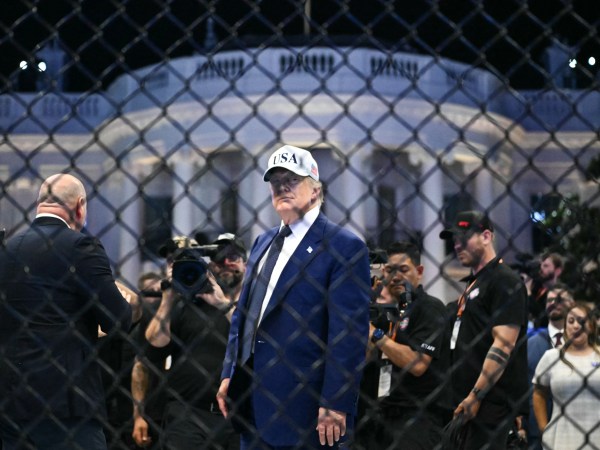







A few days late (June 3rd, 1926) I wanted to wish a happy 100th birthday to Allen Ginsberg.
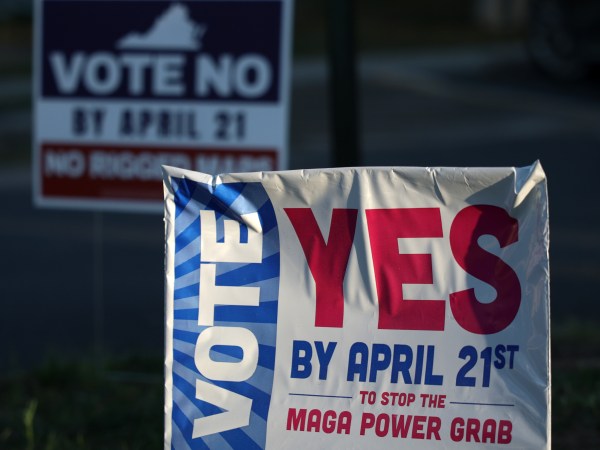
We’ve talked a lot about what the Trump White House can and will do to subvert the 2026 midterms. The big picture is that with elections being run by states, based on the clear, black-letter law of the U.S. Constitution, what they can do is quite limited. And, as we’ve also noted, you build autocracies when you’re popular (often by goosing the economy in a smart and concerted way), not when you’re swirling the bowl with approval ratings in the mid-30s and falling. The point of returning to these facts is twofold. First is that a key aim of would-be autocrats is to demoralize the opposition, get people to lose hope and think there’s no point in fighting back. It’s important for democracy-defenders not to, with the best intentions, feed into that kind of psyop campaign. It is also to get people looking for the right things and not thinking in overly binary terms — elections vs. no elections, etc. This week we have news that focuses on the abuses of power we’re actually likely to see.
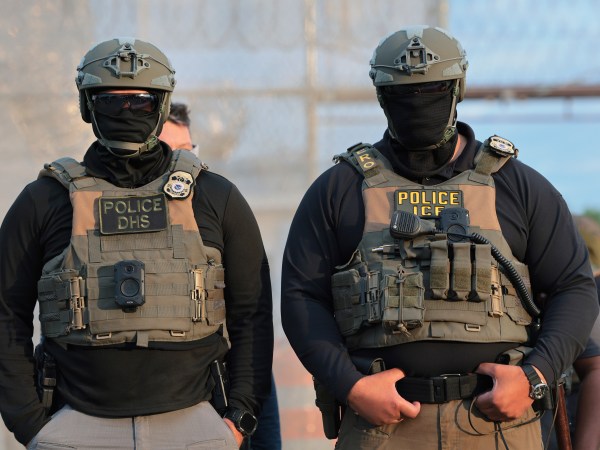
MS NOW broke the story that yesterday FBI agents fanned out across Ohio in pursuing some kind of investigation against a voting rights and voter registration group called Ohio Organizing Collaborative.