
I wanted to share something with you. I was talking with TPM Reader LG (who in this case I will identify as Leo Gugerty, a professor at Clemson University) about the DOJ-in-Exile project and the conversation moved to something very different: the pace of border crossings at the southern U.S. border over the last 15 years. With his permission, I’m sharing with you here the graph he shared with me.
Read More




I’ve been gratified at just how much response and interest I’ve got to my proposal for a DOJ-in-Exile project. I’ve heard from so many people either wanting to volunteer their time or work for such a project or help get it off the ground that I haven’t even been able to respond to everyone yet. But I’m very encouraged by the interest. As I said yesterday, this isn’t something I am envisioning running. I don’t have the expertise and I’m already doing something. I’m trying to bring together interested people and potentially funders and thus hopefully play some role in bringing it into existence.
To help bring the idea into more focus, I thought I’d try to flesh out the concept.
Read MoreI just learned that the Department of Justice has shelved its plan to essentially shutter the Department’s Tax Division. The plan had been to disperse the Division’s lawyers to U.S. Attorney’s Offices around the country and maintain a very small residual oversight office at Main Justice. This would satisfy, at least in the view of DOJ’s current political leadership, statutory requirements. But it would trigger big departures of lawyers unwilling to relocate around the country and dilute and dissipate institutional knowledge and organizational focus.
Read More



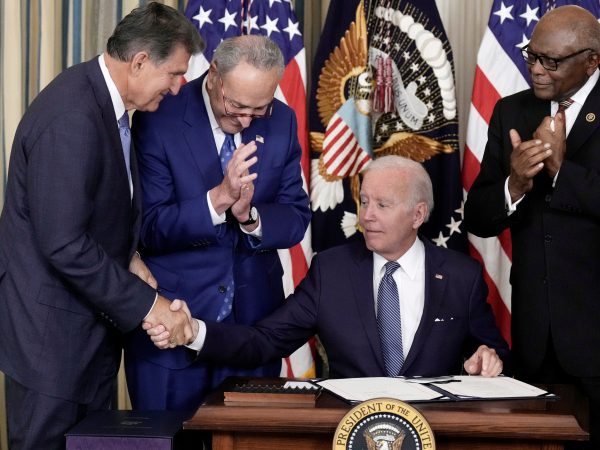

In my late 2024 post-election brainstorming, another idea of mine was to create a structure for pressing Republican Reps who threatened to cancel the green energy investments in their districts under the Inflation Reduction Act. It was a matter of some consternation for Democrats at the time, but those investments were overwhelmingly in Republican districts — like something like 75% of them. There were a few explanations of that at the time, one of which was that it was focused on those areas that were in whatever way “passed over” in the city-centric prosperity of the early 21st century. But we’re seeing another one of the benefits now and it’s precisely that dynamic I was keen mobilize: it makes these investments much harder to claw back by a future Republican administration.
Read More