



TPM Reader EG notes a post from our friend Barry Ritholtz in which he notes ten questions or current unknowns about the collapse of Silicon Valley Bank. You can find them here. As Barry points out, if past financial crises are any guide, we currently — that is to say, in real time — have only a very limited understanding of just what happened here and why. Presumably decision-makers at the Fed and FDIC had substantially more information that was the basis of the decisions they made on Sunday. But their understanding is almost certainly limited too. Check his post out. Often a knowledgable set of questions is far more illuminating than opinion and assertion in advance of any real understanding and context.
A few general observations.
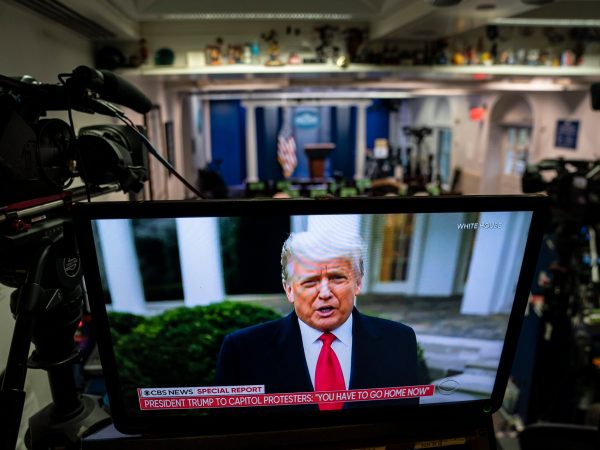

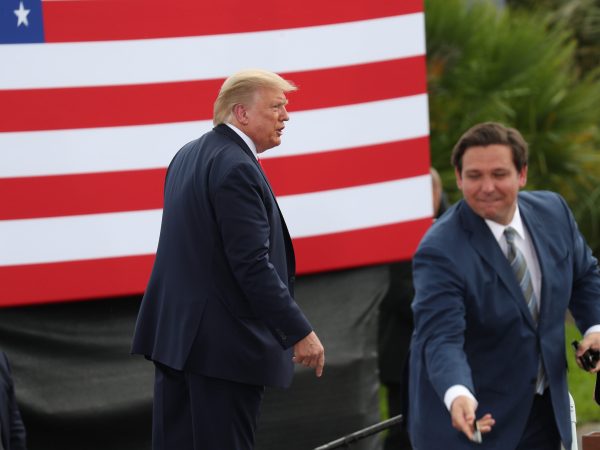

Trump has decided to go with another nickname for Ron DeSantis, who, though he has not yet announced, is almost certainly running against Trump in 2024.
Read MoreThings moved very fast early Sunday evening. As you likely now know, the troika of the Fed, the FDIC and the Treasury axed a second bank — Signature Bank of New York — and decided to guarantee all deposits at Signature and Silicon Valley Bank because of “systemic risk” to the whole banking system. As noted yesterday, the issue at least with Silicon Valley Bank (SVB) seemed to a significant degree to be one of liquidity. It appears to have assets to cover the great majority of its deposits. So the costs to the FDIC should be limited, and perhaps there’s no cost at all. I’m less clear on the exact situation at Signature Bank, which had more exposure to the imploding crypto sector. But I assume it’s broadly similar.
To me the most interesting and noteworthy issue to emerge over the last 48 hours is the debate or really the unclarity about what counts as a “bailout.” The dictionary definition is simple enough. There is no specific or technical meaning. It just means action to relieve someone or some entity in financial distress. But what became clear this weekend is that quite a few people have decided post-Global Financial Crisis that a bailout is relief for shareholders. Making depositors whole is not. That’s just making depositors whole. As long as the bank’s owners get wiped out or take a severe hit, it’s not a bailout.
But there’s little basis for that distinction.
Read More