
I wanted to address a few points that have come up in discussions about the Ukraine Crisis in recent days and which John mentions below. I’ll start with the question of U.S. intelligence estimates about an imminent Russian invasion which appear to have been very accurate both in the overall prediction and the specifics of how one would take place.
I’ve seen a number of people say this was a surprise or at least not a given because of the intelligence failure that preceded the invasion of Iraq in 2003.
But I view this very differently.
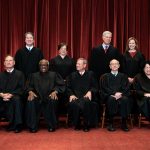


I made several mistakes in judging the conflict with Russia over Ukraine. In so far as others may have made similar errors, it may be worth saying what these are, and what I think is still valid in my earlier criticisms of the U.S. policy. These observations bear on what is valid and not in the foreign policy outlook called realism.
Read More
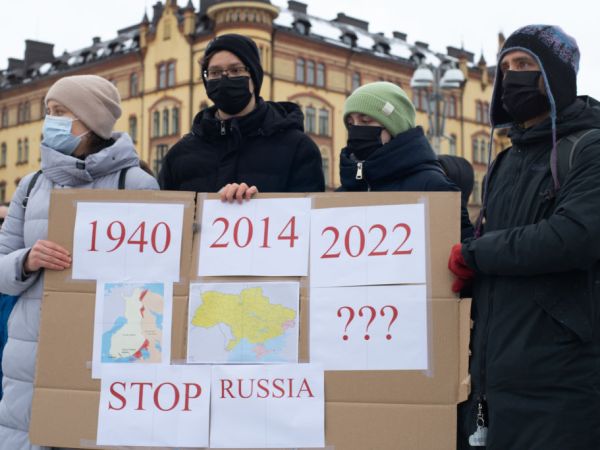
A number of you have asked me, where’s President Biden? Why aren’t we seeing him on TV? Note that he has a State of the Union address coming up which will provide an extremely high profile setting. But the real reason is almost certainly that the U.S. administration wants to have Europeans taking the most visible role announcing new sets of sanctions. I suspect they also want to avoid taking the bait of President Putin’s nuclear saber-rattling. Reports suggest that — wisely and unsurprisingly — President Biden has chosen not to match Russia’s nuclear forces alert status. First, there’s no need to. Our strategic nuclear forces are already on plenty of alert to manage the unthinkable. There’s no need for that kind of tit for tat escalation. We also don’t need competing press availabilities.
With all this said, though, there’s clearly something more happening here than just allowing Europe to take the lead in announcing measures the U.S. was trying to persuade them to take. There’s also clearly a sea change, both in the willingness to contemplate crippling economic sanctions as well as to openly arm the Ukrainian army.

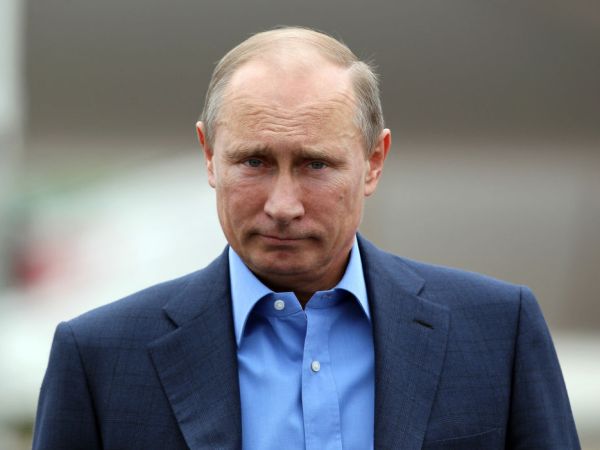
TPM’s Josh Kovensky spoke on MSNBC just now about Vladimir Putin’s cryptic decision-making, the impact of U.S. sanctions on Russia, and how to think about the possibility of a retaliatory cyber attack on the U.S.