

As the US enters the full force of the COVID-19 pandemic there are multiple levels of failure we are collectively having to confront. The most obvious stem from leadership at the top, the costs of a President who has run the country as a plaything for his own uses and sees the unfolding catastrophe through the prism of his own needs. Just today we see a new report about how the federal response at all levels has been marred by inexperienced and unqualified appointees and numerous positions that remain unfilled. The NSC devised a literal ‘playbook’ for how to handle just this sort of event in 2016. You can read it here. But the administration simply ignored it and has made many of the mistakes that manual sought to avert.
But it is also clear that certain levels of unpreparedness predate anything tied to the Trump administration. Relatedly, why is it that a series of country’s on China’s borders or nearby over the sea have managed it so much better?
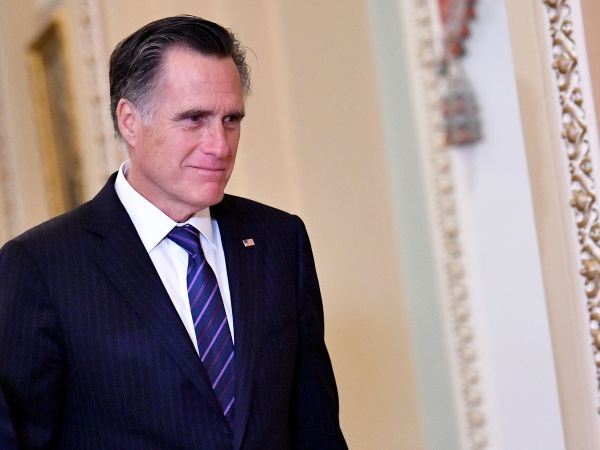

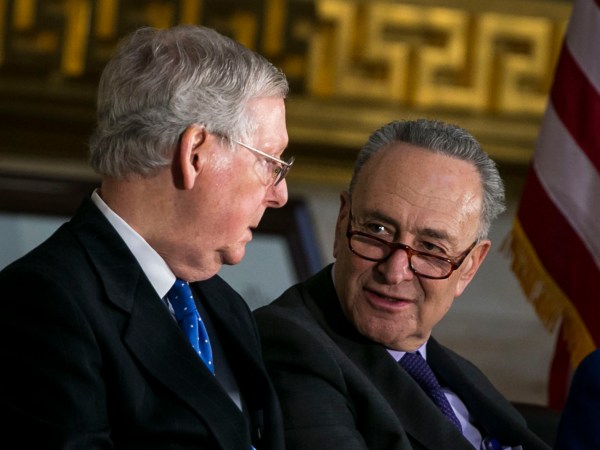
The fact that a Senate, that just months ago held a contentious impeachment trial, was able to pass any sort of spending bill — let alone a $2 trillion one — by unanimous consent is jaw-dropping enough.
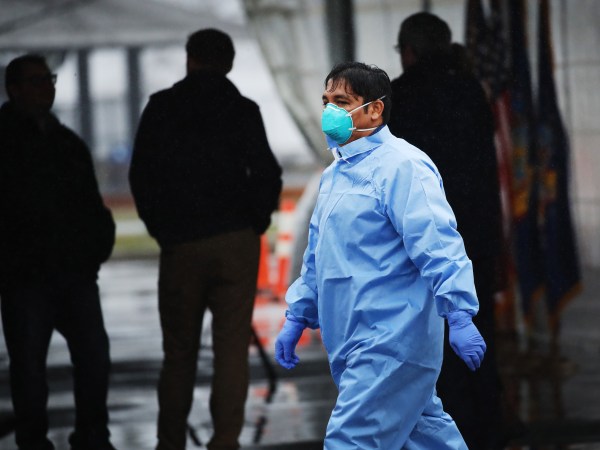
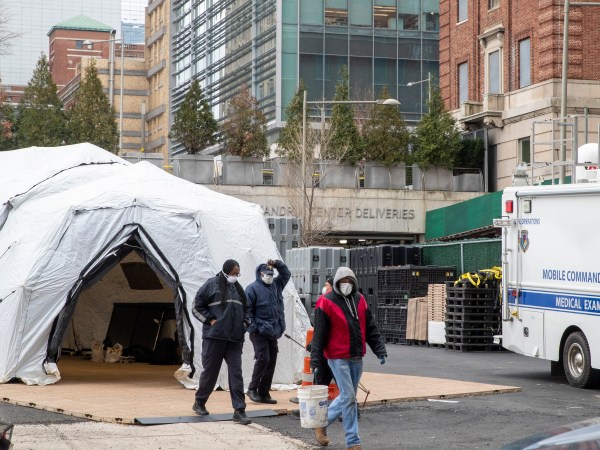
It’s just unbelievable what medical practices across the country are going through as an indirect result of the pandemic. The upheaval is extraordinary. Again, this isn’t to treat COVID per se, but to maintain existing health services despite the virus. Tierney Sneed explains.
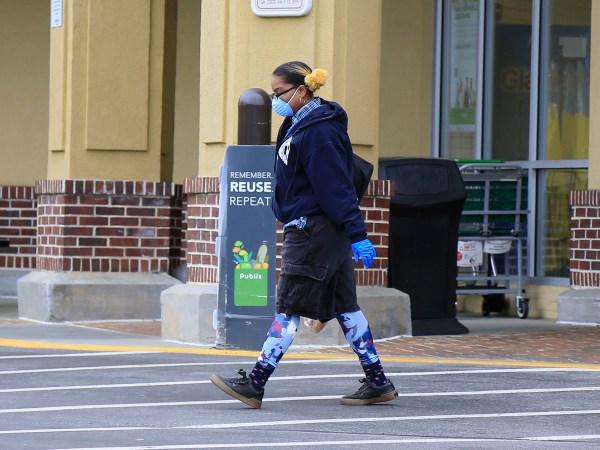





As we track the scale of outbreaks in countries around the world and look for insights into what will happen in the United States, one key metric has been the number of days between a full lockdown and when new infections and deaths peaked. For that I’ve been trying to make sense of just when New York City – the center of the outbreak in the US – locked down. There’s no simple answer since the city slowly hunkered down in phases. During the second week of March the city government began encouraging businesses to start work from home for employees who were able to do so. On Sunday, March 15th, Mayor Bill DiBlasio announced that the public schools would close the following day. On March 20th, Governor Andrew Cuomo ordered a statewide “pause”, which is New York’s version of what in other states is being called a “shelter in place”.
But how much impact did these different suggestions and orders have on reducing mobility, density and spread in the city?