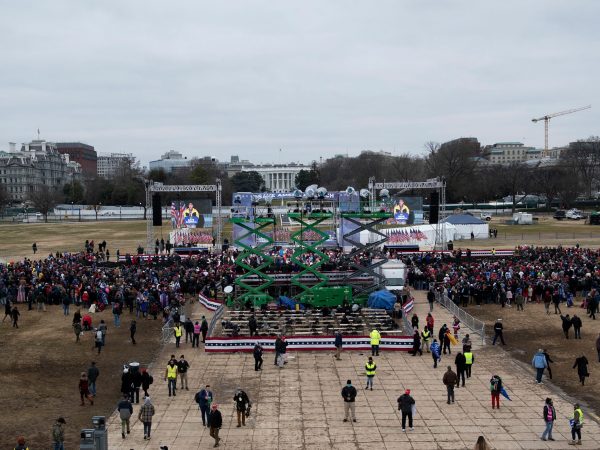

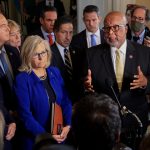

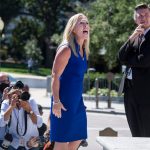
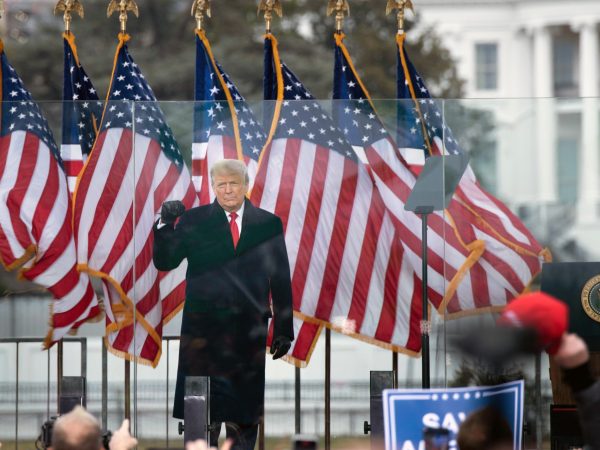
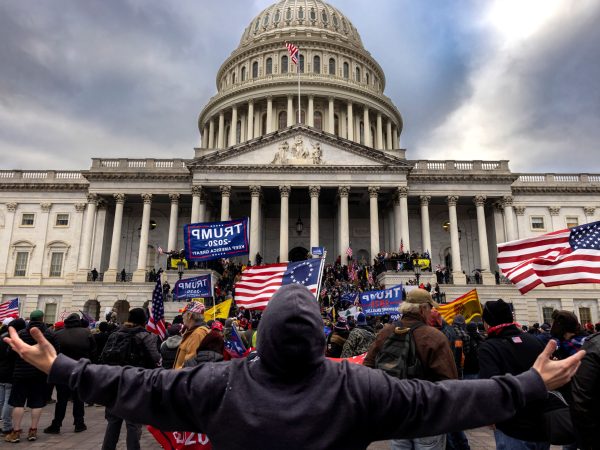

Nearly all of the Democratic members of the North Carolina state House staged a walk-out on Monday evening to protest the seating of a new Republican state lawmaker who has not only dabbled in COVID-19 conspiracy theories, but who was present at the Jan. 6 Trump rally that became the insurrection.
The new state House member Rep. Donnie Loftis (R) has drawn the ire of North Carolina Democrats since his appointment. Loftis is a former county commissioner in the state and resigned his position on a local hospital board last year after he was criticized for posting coronavirus conspiracy theories on Facebook. In some of the posts, he referred to stay-at-home orders, enacted in the deadliest days of the pandemic to slow the spread, as a form of tyranny, according to The Charlotte Observer.
But it was Loftis’ presence near the Capitol while the attack unfolded that drove Democrats to walk out during his swearing-in this week, the state Democratic Party said in a statement.
Read More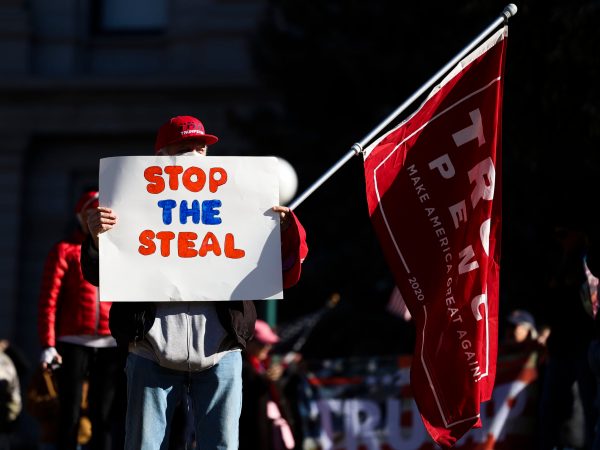
While the percentage is significantly higher among Republican voters (and deeply influenced by where said Republicans get their news, which I’ll get into below), the percent of Americans who believe that the 2020 election was stolen from former President Trump has remained relatively steady for (almost) an entire year.
The nonpartisan Public Religion Research Institute put out the staggering results of a new poll today, the highlights of which my colleague Josh Marshall lays out here. The results of the poll shed light on Americans’ perceptions on a number of topics, including revealing a concerning uptick in GOP voters being increasingly on board with acts of political violence as a necessary tactic for preserving their take on the country’s founding ideals. But one statistic was particularly striking to me, especially when juxtaposed alongside the same survey’s findings on Americans’ voter fraud concerns.
About three in 10 Americans still believe that the 2020 election was stolen from Trump, approximately 31 percent. On its face, the number isn’t that surprising. The more unsettling part lies in this segment of the data: That number hasn’t shifted much, and has actually grown, albeit minimally, over the course of this year — even after countless courts have tossed out Big Lie-related litigation for lacking sound evidence to back up the Trumpy claims and even after politically-motivated election “audit” results have left much to be desired for the far-right proponents of the cause. Nonetheless, from PRRI: “This share has remained steady throughout 2021, in August (29%), June (30%), and March (29%).”
Read More