

Top results for "Afghanistan"
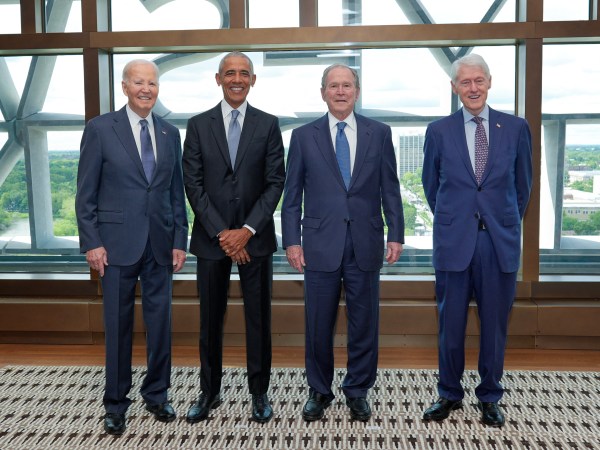
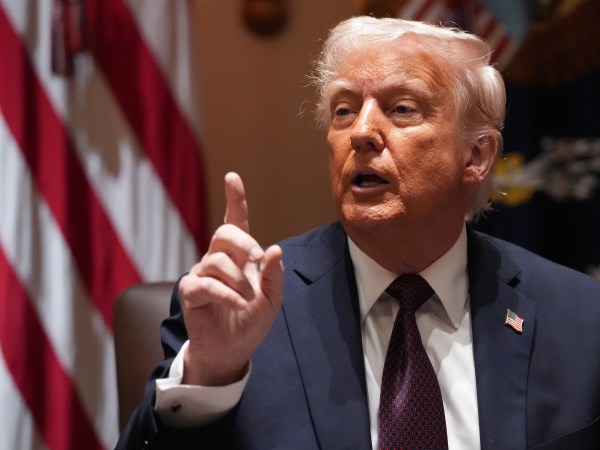


The idea that Trump or MAGA is in any sense “anti-war” is something between an absurdity and a misunderstanding. Kate and I had a good discussion of it in this week’s podcast. At one level it’s a simple fraud. Trump claimed he’d always been against the Iraq War at a time when the U.S. had been bogged down in Iraq and Afghanistan for years. It was a helpful attack line and it was completely false. Trump wasn’t in politics in 2002 or 2003 and to the extent he said anything, like a lot of people, he was for it when it was popular and against it when it wasn’t.
During his presidency he signed off on the assassination/targeted attack that killed Qasem Soleimani; he heavily involved the U.S. in the Saudi war in Yemen; he maintained or expanded the U.S. fight against ISIS in Iraq/Syria. Those are at least a continuity with the Obama years and in key respects an expansion of it. The one arguable exception is the deal Trump made with the Taliban to leave Afghanistan — a bad deal which Joe Biden was saddled with and followed through on and was endlessly criticized for, by Trump more than anyone else. Afghanistan captures Trump perfectly — his one notionally “anti-war” position was continuity by definition. And he turned against it as soon as he was unpopular. Trump has gotten “anti-war” mileage out of his opposition to Ukraine aid. But that’s pro-Russia rather than anti-war.
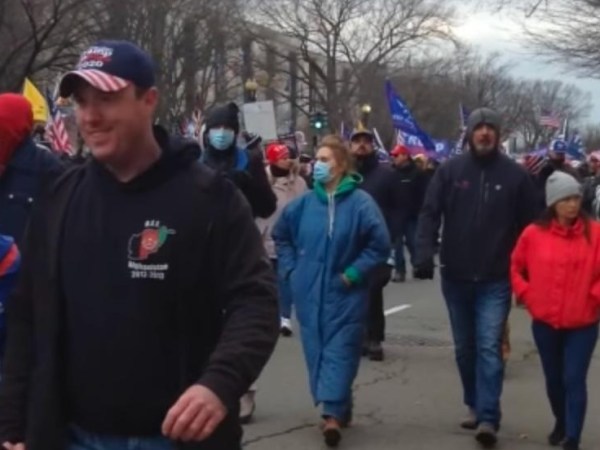

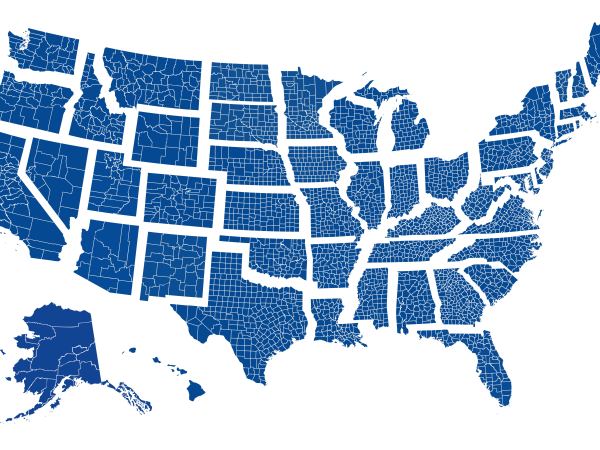
Yesterday (in this post which didn’t go up as a BackChannel) I discussed the idea of “strategic depth” as a way of thinking about the sovereignty of the states in the battle against Trumpism. I want to expand on that. Because it’s become pretty central to my thinking about how the United States is going to survive the next three and a half years and begin the process of battling back. “Strategic depth” is primarily a concept for military studies. It refers to the shape and arrangement of the physical territory a country controls and how close its borders, which may be vulnerable to military attack, are to its concentrations of population, political and industrial centers. If all a country’s key stuff is right near a vulnerable border that’s a big problem. But in addition to where its key stuff is, does it have a lot of territory to fall back on if it suffers early defeats?
From TPM Reader JU …
Read MoreI just listened to your post-election day podcast about Graham Platner. I agree with your much of what you said, but want to share a slightly different take. In my view, Mainers aren’t shrugging off Platner’s baggage because Trump set so low a bar. I think Mainers are hungry for public servants who are not obviously and shamelessly full of shit.
(About me: I am a women, 67, Jewish, and have lived in Maine for 40 years. I have/had all the reservations about Platner you would expect. I did not rank him first, but I am not sorry he prevailed. Like most Dems, I will vote for him in November regardless.)
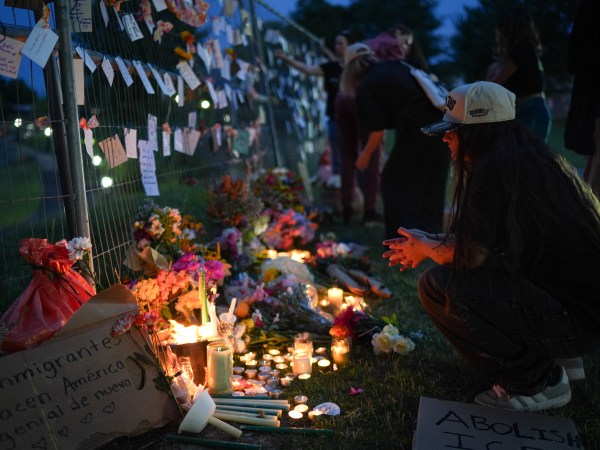

The AP has just posted a detailed investigation into the background of David Brouillette, the recently hired ICE agent who shot and killed Johan Sebastián Durán Guerrero in Maine. It’s genuinely horrifying on more levels than are easy to describe. Brouillette was hired during ICE’s recent hiring spree, as the agency attempted to rapidly staff up to manage a program of mass deportation. Brouillette has a long history of severe mental illness, a lengthy history of violence against at least two wives as well as his children, stalking, a seemingly endless list of restraining orders, violent threats against other family members and more.
Read More