Let’s Face It: Trump’s Iowa Result Was Pretty Weak

For something like a year I’ve been predicting that Donald Trump is absolutely positively going to be the 2024 nominee. I was predicting that back when a lot of people really thought that Ron DeSantis was going to at least give Trump a run for his money. I don’t make confident predictions unless I’m certain there’s little chance of being wrong. But I must tell you that this result simply isn’t the victory most reporting makes it out to be.

The Republican version of the Iowa caucus is simply a vote, carried out by less formal means. Each participant writes down a name and that gets counted — no real caucusing. The final result shows Trump getting 51% of that vote.

That is not just a plurality win, the metric customarily used to judge this contest. It’s actually an absolute majority. Barely. (DeSantis has 21.2% and Haley 19.1%.) But everyone now recognizes that Trump is running as the de facto incumbent. Certainly he’s running as the universally recognized leader of the GOP. And yet he has only barely managed a majority in a state which — unlike, say, New Hampshire — is pretty tailor-made for his politics. To put that characterization into context, while Iowa is today is a fairly red state, it has long had a reputation as a state which has a very liberal Democratic Party and a very conservative GOP. The Iowa GOP caucus electorate especially is made up of a high percentage of conservative evangelical voters. It’s overwhelmingly rural. By any fair measure, 51% of those voters is underwhelming.

Continue reading “Let’s Face It: Trump’s Iowa Result Was Pretty Weak”

Iowa GOP Embraces Insurrectionist For POTUS

A lot of things happened. Here are some of the things. This is TPM’s Morning Memo. Sign up for the email version.

Not An Anomaly

Donald Trump is on the verge of becoming the GOP nominee for the presidency for the third straight election. What might have seemed like a historical blip in 2016 that was remedied by Trump’s general election defeat in 2020 is now an eternal black mark on the Republican Party.

Hijacked by Trump, purged of its traditional middle-of-the-road corporate conservatives, and transformed into a cult of personality, the Republican Party is unrecognizable as the party of Lincoln. Gone are the Bushes, Cheneys, and Romneys. In are the worst group of scoundrels, hacks, hangers-on, and would-be authoritarians this nation has ever seen.

Whatever quaint and out-dated notions remained that Iowa’s Midwestern conservatism and its rural and highly educated populace would serve as an important early filter in the nominating process can be put to rest.

A majority of Iowa Republican caucus-goers went for Trump after the travesties of the Trump presidency: the failed response to the COVID pandemic, the indignity of losing to Joe Biden, and the insurrection at the Capitol, among so many others.

The Also-Rans

I’m going to steer clear of the over-analysis of the second and third place finishers, the phantom that is “momentum,” and other tea-leaf reading in the midst of the Trump storm. This is all about Trump, and no other storyline merits more than passing consideration. Semafor put it well this morning, calling it a “dream scenario” for Trump: “A dominant performance, a divided field bitterly fighting for scraps, and little sign of consolidation behind any of them.”

Good Riddance

After his poor showing in Iowa, Vivek Ramaswamy suspended his campaign and endorsed Donald Trump.

2024 Ephemera

  • McKay Coppins: You Should Go to a Trump Rally
  • WSJ: $6 Trillion in Taxes Are at Stake in This Year’s Elections
  • The pro-Democratic group American Bridge 21st Century is planning a $140 million ad campaign using testimonials to remind women and working-class voters why they voted against Trump in 2020.

Quote Of The Day

We Were 100% Warned

  • NBC News: Fears grow that Trump will use the military in ‘dictatorial ways’ if he returns to the White House
  • Ummm …
  • Trump supporters are asked: “Would you rather have four years of Donald Trump as a dictator or four years of President Biden re-elected?”

E. Jean Carroll Gets Another Whack At Trump

The four-times indicted frontrunner for the GOP nomination, fresh off his big win in Iowa, is expected in federal court today in New York for the (second) trial of E. Jean Carroll’s defamation claim against him for denying he raped her. Trump’s liability was already established in the first jury verdict, so this trial will be focused only on Carroll’s damages. In recent days, Carroll implored the judge not to let Trump engage in the kinds of stunts he pulled in the NY state judge-tried fraud case.

Trump made a last-ditch effort to delay the trial for a week, citing the death of his mother-in-law. The judge denied the request, noting that Trump had managed to schedule a campaign stop in New Hampshire tomorrow.

Highly Endorse

It’s time for the courts to stop giving Trump special treatment. To stop walking delicately and gingerly lest he claim foul play when he is merely subjected to procedures anyone else in his position would be held accountable to. The courts, charged with delivering justice, need to stop being afraid of Trump.

Former U.S. Attorney Joyce Vance

Aileen Cannon Is Still At It

In a late-night ruling Friday, U.S. District Judge Aileen Cannon denied Special Counsel Jack Smith’s motion to impose a deadline on Donald Trump to assert an advice of counsel defense in the Mar-a-Lago documents case. With trial set for May, Cannon said it was premature to force Trump to assert the defense. Smith can refile the motion later, but it’s not clear what time frame Cannon considers proper. All signs point to Cannon abandoning the May trial date and pushing the trial until after the November election. But she’s slowrolling it rather than acting transparently.

Trump Miscellany

  • Oregon Supreme Court declines to rule on Disqualification Clause case against Trump, preferring to wait until the U.S. Supreme Court weighs in.
  • Trump ordered to pay nearly $400,000 in attorney fees to the NYT and three of its investigative reporters over his baseless defamation lawsuit.
  • Joseph Tacopina withdraws as Trump’s lawyer in the Stormy Daniels hush money case.

The Politics Of White Resentment

TPM’s Kate Riga: In Their Quest For Dominance, Republicans Break Government At All Levels

An Interesting Origin Story

Drawing from his new book – The Rebels: Elizabeth Warren, Bernie Sanders, Alexandria Ocasio-Cortez, and the Struggle for a New American Politics – Josh Green writes for TPM about how power In America shifted in 1978 and laid the groundwork for the current political moment.

Feds Seek Death Penalty For Buffalo Shooter

The Justice Department announced it would seek the death penalty for the man accused of killing 10 Black people in a 2022 shooting spree at a Buffalo grocery story.

Big Step

A Biden administration plan to impose a fee on oil and gas companies for every excess ton of methane emitted would be the first federal price on greenhouse gas pollution.

How The EV Transition Is Going

John Voelcker, my go-to expert on electric vehicles, cuts through the noise to assess the current state of the EV market.

The Icelandic Saga

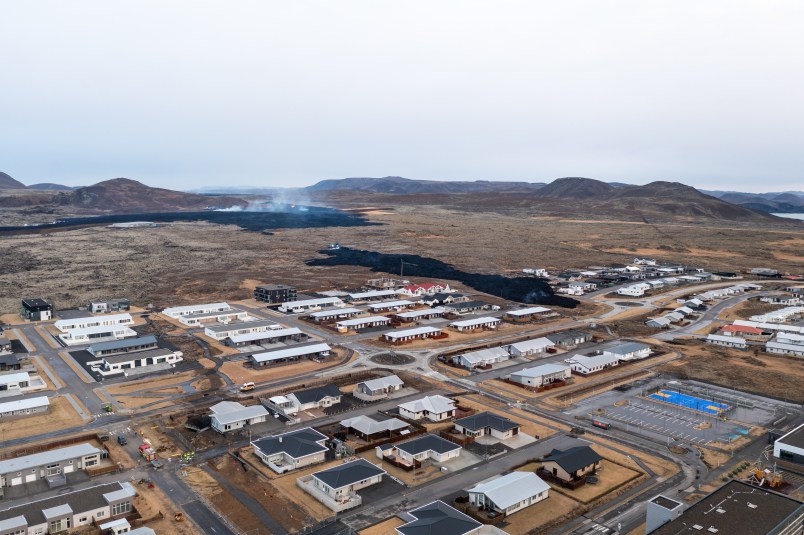
A new eruptive phase began and then seemed to end over the weekend on Iceland’s Reykjanes Peninsula.

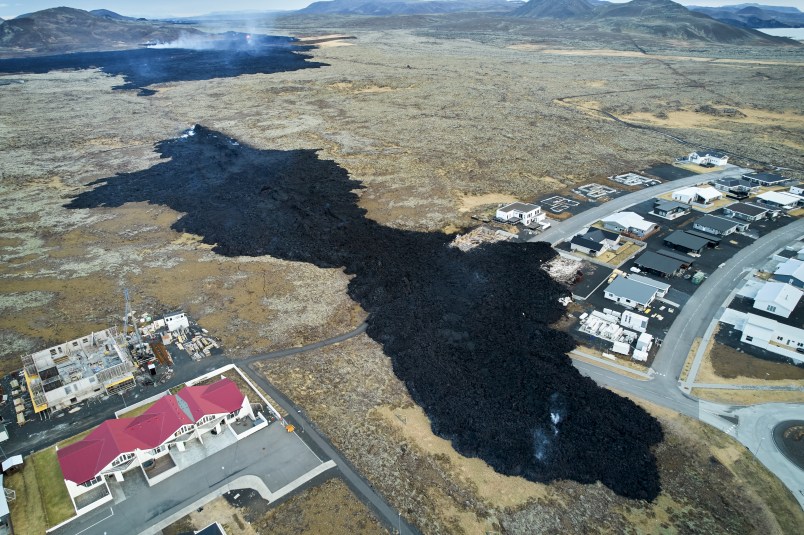
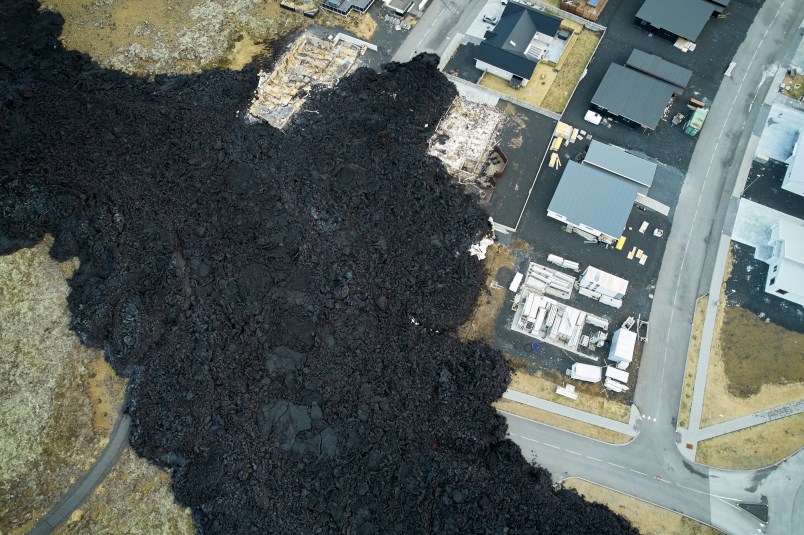
A long fissure opened outside the protective berm hurriedly constructed to protect the town of Grindavík, which was evacuated in November and re-evacuated in haste over the weekend. The berm worked remarkably well at diverting a lava flow around the town. But a few hours later, a second shorter fissure opened inside the protective wall and sent lava to the edge of town, where three houses were destroyed.

You can see the main fissure in the background in the photo below, with lava diverting along a line that runs off the left of the photo. The fissure that opened up nearly in town is the dark slash in the center of the photo:

A drone is capturing the town of Grindavik during the eruption in Grindavik, Iceland, on January 15, 2024. On Sunday morning, a new eruption is occurring north of Grindavik in southwestern Iceland, prompting residents to evacuate due to increased seismic activity around 03:00 GMT. The alert level is currently at ”emergency,” indicating a potential threat to people, communities, property, or the environment.

REYKJANES, ICELAND – JANUARY 15: An aerial view of the fissure, which had stopped erupting but claimed three houses in the town of Grindavik in Reykjanes Peninsula, Iceland on January 15, 2024. (Photo by Stringer/Anadolu via Getty Images)

REYKJANES, ICELAND – JANUARY 15: An aerial view of the fissure, which had stopped erupting but claimed three houses in the town of Grindavik in Reykjanes Peninsula, Iceland on January 15, 2024. (Photo by Stringer/Anadolu via Getty Images)

Do you like Morning Memo? Let us know!

Trump Wins Iowa By Predicted Landslide, DeSantis Projected To Win Second

About a half hour after the Iowa caucuses got underway Monday, multiple networks plus the Associated Press had called the race for Trump.

With most of the vote counted, Trump maintains an expected mammoth margin on his competitors. Ron DeSantis and Nikki Haley hover within a couple points of each other, DeSantis having the slight edge.

Continue reading “Trump Wins Iowa By Predicted Landslide, DeSantis Projected To Win Second”

Nota Bene

Keep an eye on how the national press covers this. The White House, as you know, has been under immense pressure to offer concessions to address the continuing large number of migrants coming to the U.S.-Mexico border. Now there’s a bipartisan compromise bill in the Senate. Last night Majority Leader Steve Scalise said that bill is DOA in the House. But Speaker Johnson said something more specific and revealing. He refused to bring up the bill and according to Jake Sherman of Punchbowl said “Congress can’t solve border until Trump is elected or a republican is back in the White House.”

Continue reading “Nota Bene”

Texas in Armed Rebellion Again?

We hear a lot of fears these days about civil war or major political unrest in the United States. It’s less clear precisely how something like this would happen. There’s no lack of polarization and anger. But how precisely does it come about? Despite the blue and red maps we show on TV screens, U.S. politics is highly polarized by region even within most states. Something happened in Texas yesterday that struck me as a possible leading edge of some form of it.

Under the direction of Gov. Greg Abbott (R), Texas has made recent moves to try to take over certain aspects of patrol and enforcement along the U.S.-Mexico border. This is of course primarily a political move. It’s for show. But the actions assert new rights or powers which are fraught with the potential for abuse and possible used for a sort of slow-motion insurrection. This weekend things went to a new level.

Continue reading “Texas in Armed Rebellion Again?”

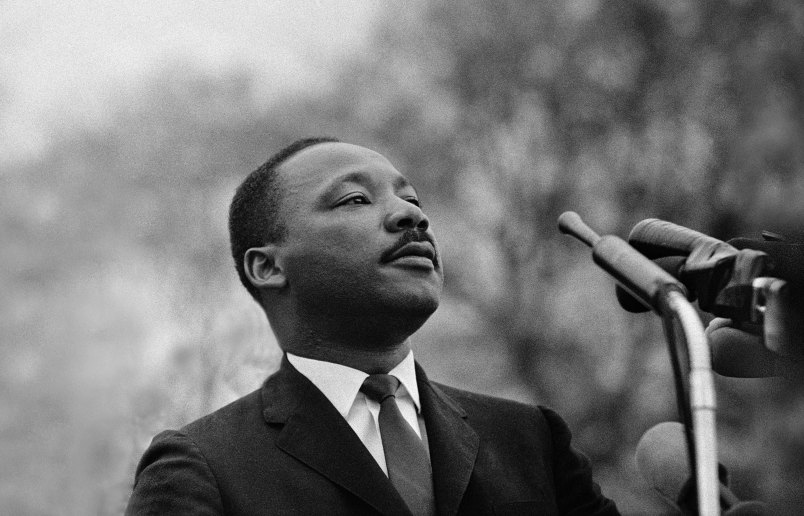
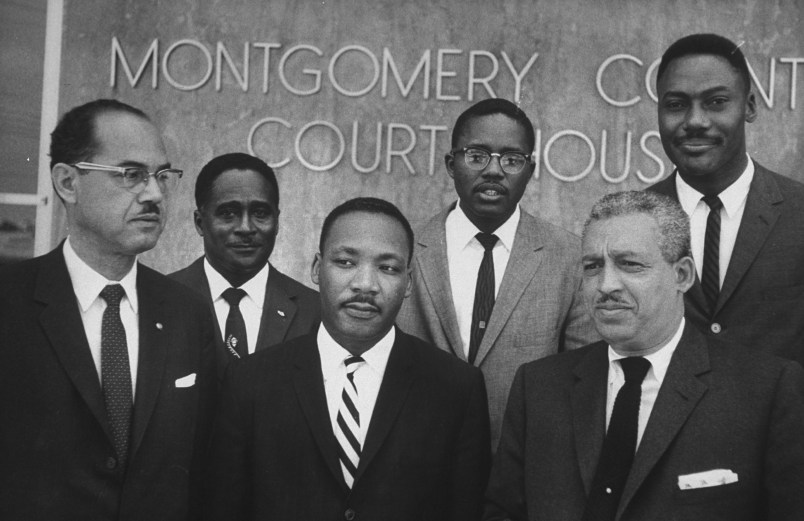
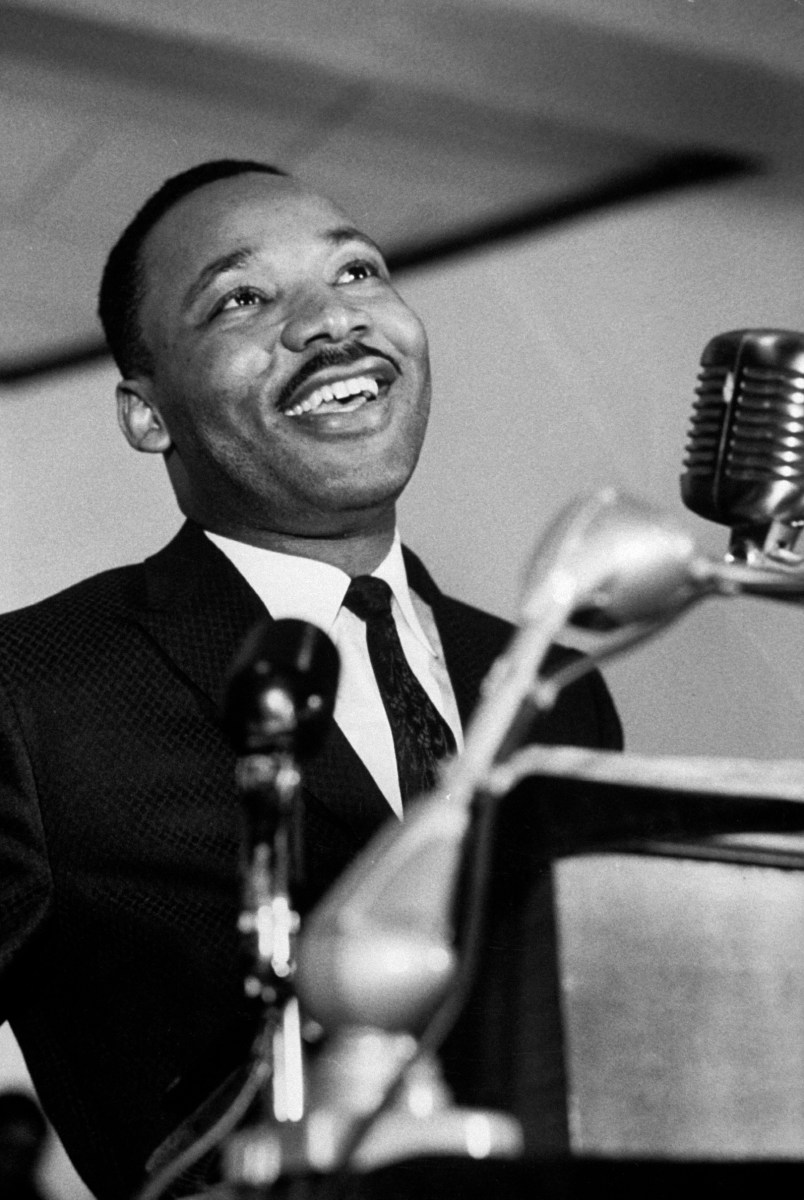
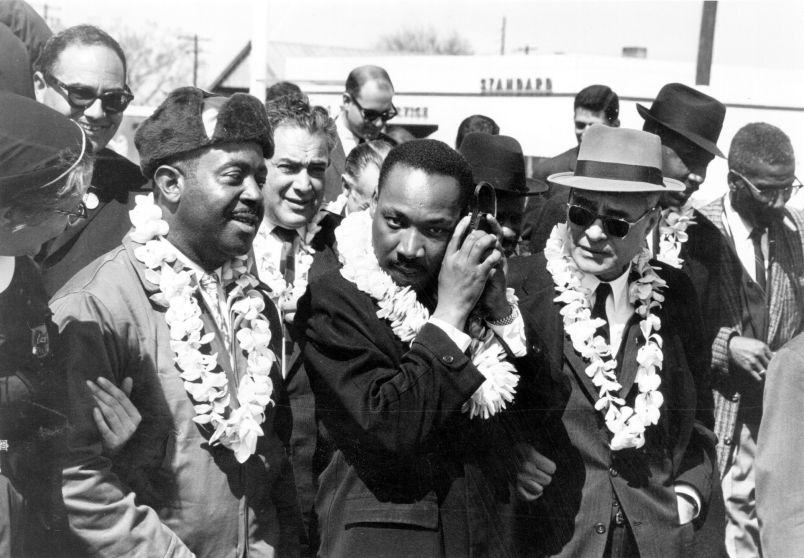
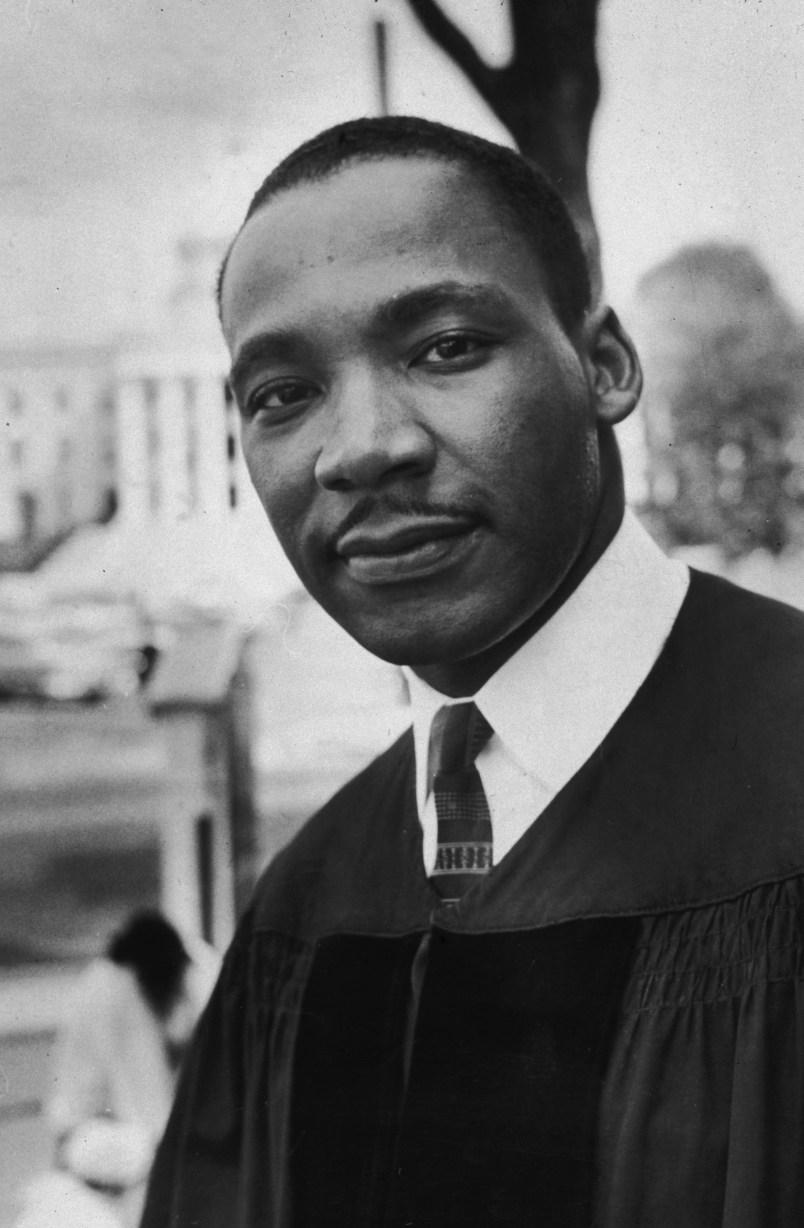
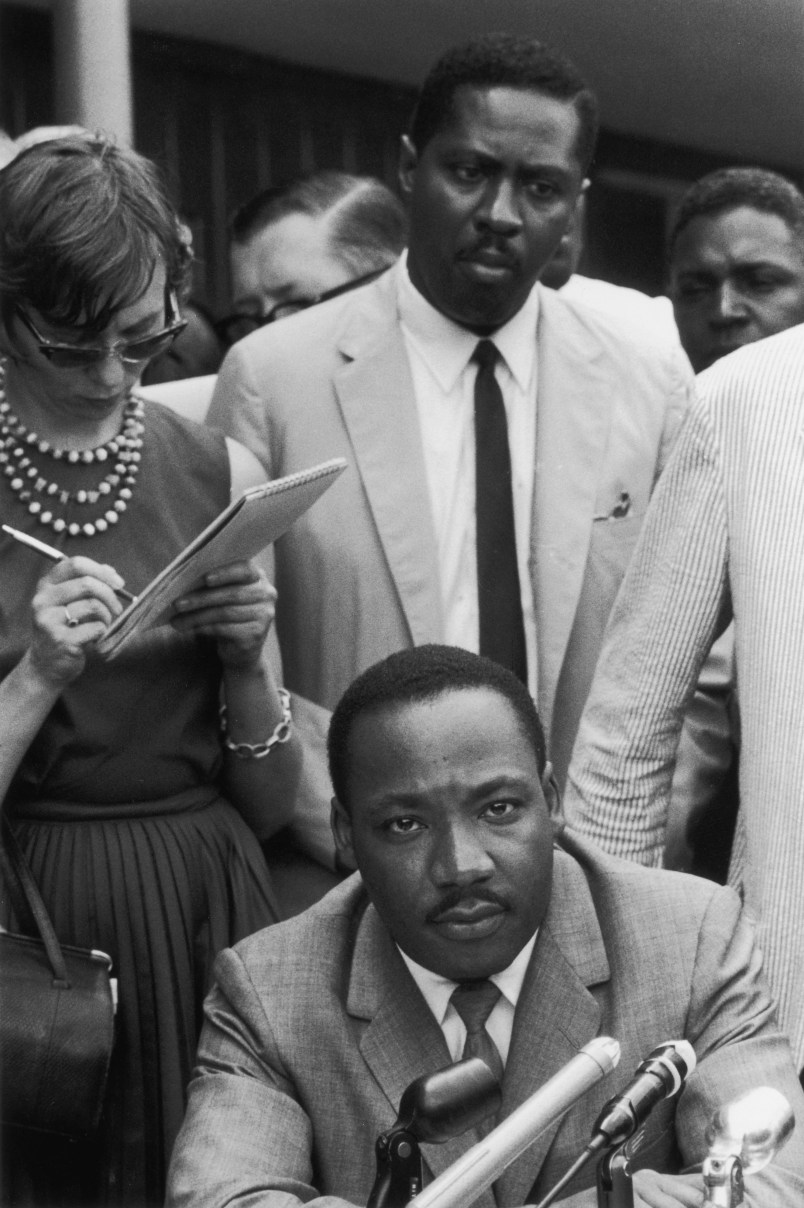
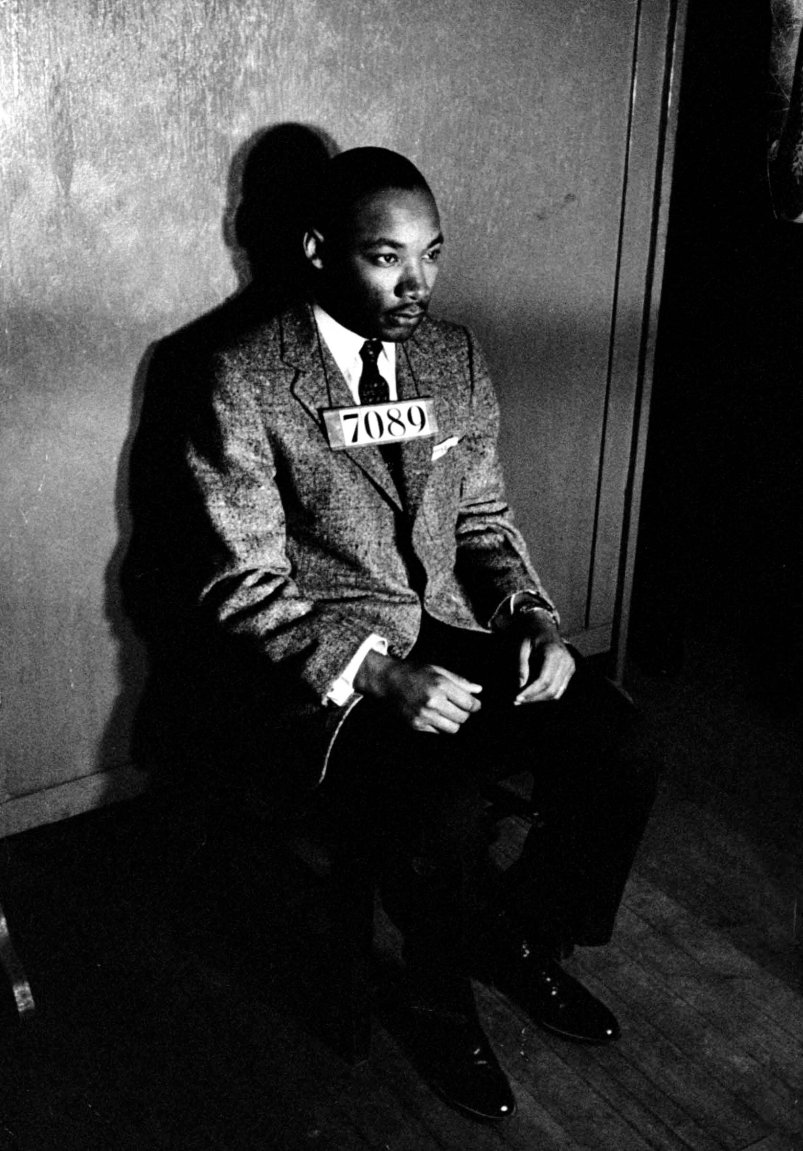
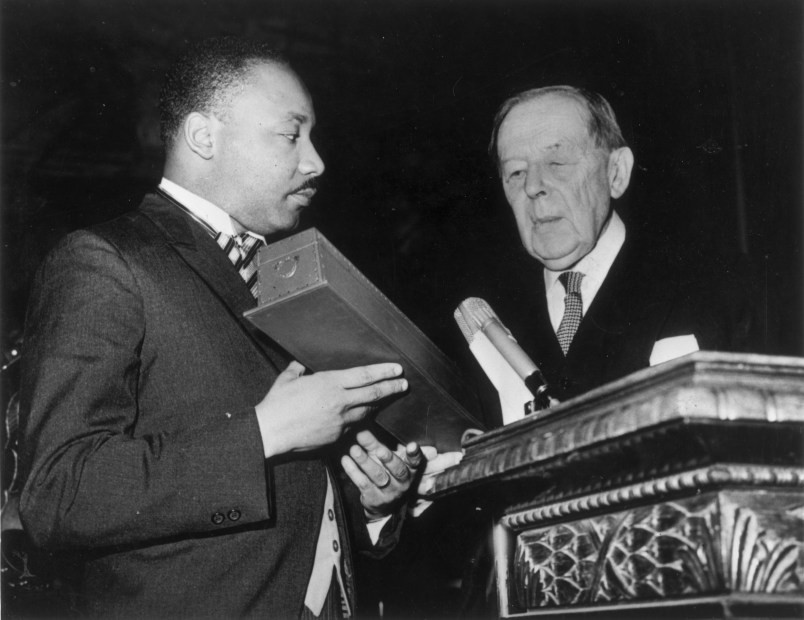
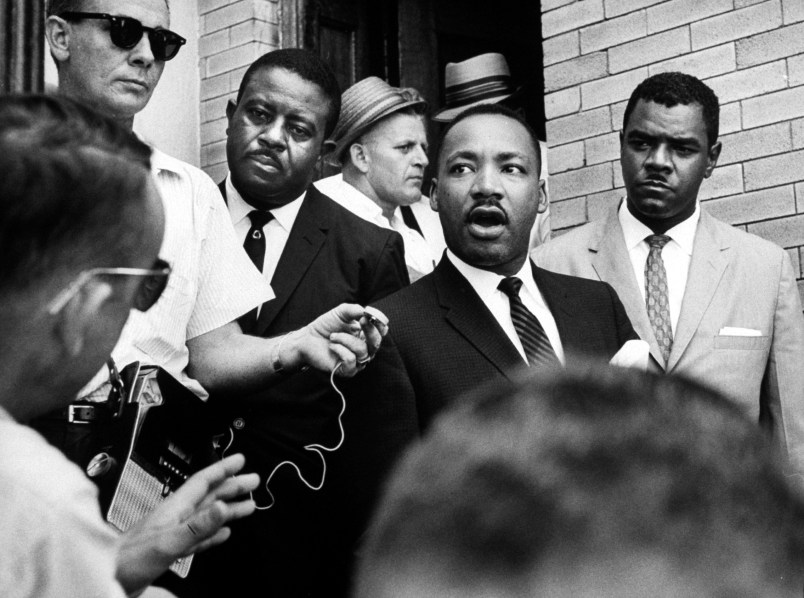
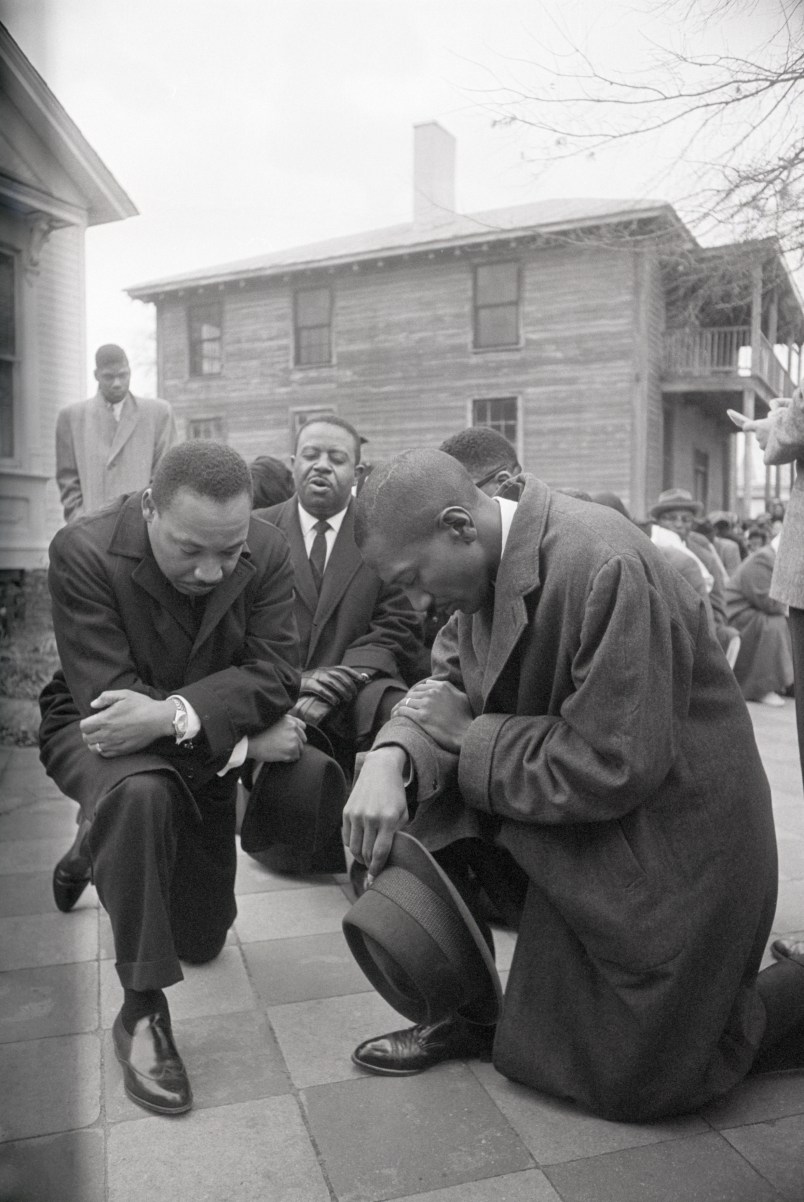
Remembering Reverend Dr. Martin Luther King Jr.

One of the single most influential figures in the American Civil Rights Movement, Reverend Dr. Martin Luther King Jr. helped organize and inspire people across the country to take non-violent action in the fight for equality.

In Their Quest For Dominance, Republicans Break Government At All Levels

Just months into his dark horse speakership, Mike Johnson (R-LA) tries to scuttle across the same tightrope his predecessor toppled from, shepherding through the chamber, without sparking a mutiny, the bare minimum legislating Congress has to pass. 

Continue reading “In Their Quest For Dominance, Republicans Break Government At All Levels”

Reaping the Harvest

I want to flag this post from Barak Ravid, writing in Axios. Much of it is important detail on a general story you know if you’ve been following things: The Biden White House is out of patience with Benjamin Netanyahu. While Biden’s steadfast support for Israel has been transformative within the broader Israeli body politic, Netanyahu himself is still the same man: taking everything offered with pro forma gratitude and stiffing most things, if not everything, asked in return.

This is anything but surprising. We’d be wrong to imagine the White House is terribly surprised either. Joe Biden knows this man. What is always important to remember is that almost everyone working these questions in the Biden White House was working them, usually one or two rungs down, in the bad old Obama days when Netanyahu notoriously plotted with the president’s domestic political enemies but added the deeper indignity of doing it publicly, not even doing him the courtesy of concealment. They all know this guy.

One thing we learn is that Netanyahu and Biden haven’t spoken in almost three weeks, the last time being on December 23rd when Biden cut off the conversation and hung up on him.

Continue reading “Reaping the Harvest”

Signs Suggest ISIS-K Is Growing In Strength, Further Inflaming Middle East

This article is part of TPM Cafe, TPM’s home for opinion and news analysis. It was originally published at The Conversation.

Since the Taliban takeover of Afghanistan in 2021, the terror group Islamic State Khorasan Province, or ISIS-K, has sought to internationalize its operational and recruitment campaign. Utilizing a sweeping propaganda campaign to appeal to audiences across South and Central Asia, the group has tried to position itself as the dominant regional challenger to what it perceives to be repressive regimes.

On Jan. 3, 2024, ISIS-K demonstrated just how far it had progressed toward these goals. In a brutal demonstration of its capability to align actions with extreme rhetoric, ISIS-K claimed responsibility for a bomb attack in Kerman, Iran, which resulted in the deaths of over 100 people.

The blast, which was reportedly carried out by two Tajik ISIS-K members, occurred during a memorial service for Qassem Soleimani, a Lieutenant General in the Islamic Revolutionary Guard Corps who was killed in a U.S. drone strike in 2020. ISIS-K claimed the attack as an act of revenge against Soleimani, who spearheaded Iran’s fight against the Islamic State group and its affiliates prior to his death.

As experts in ISIS-K and Iran, we believe the attack highlights the success of ISIS-K’s recruitment strategies and its growing ability to strike declared enemies and undermine regional stability.

A growing threat

The attack in Iran was not completely unexpected to those monitoring ISIS-K. A paper one of us co-wrote in 2023 noted that that despite setbacks, including the loss of key personnel, ISIS-K was expanding and intensifying its regional influence. It was achieving this by leveraging its ethnically and nationally diverse membership base and ties to other militant groups.

The Kerman blast follows two other recent attacks on the Shahcheragh shrine in Shiraz, Iran, in October 2022 and August 2023 – both purportedly involving Tajik perpetrators.

The involvement of Tajik nationals in the Kerman attack underscores Iran’s long-standing concerns over ISIS-K’s recruitment strategies, which have seen the group swell its members by reaching out to discontented Muslim populations across South and Central Asian countries and consolidating diverse grievances into a single narrative.

Strategic diversity

This strategy of “internationalizing” ISIS-K’s agenda – its aim is the establishment of an Islamic caliphate in Central and South Asia – has been pursued with renewed vigor since 2021. This is in part due to a more permissive environment following the U.S. withdrawal and the subsequent collapse of the Afghan government.

This process of internationalizing ISIS-K’s agenda involves the group targeting regional countries directly, or their presence within Afghanistan. To date, this has seen interests from Pakistan, India, Uzbekistan, Tajikistan, China and Russia targeted by terrorist attacks.

Meanwhile, strikes against Iran have long been foreshadowed in ISIS-K propaganda.

In parallel, the group’s multilingual propaganda campaign interwove a tapestry of local, regional and global grievances to recruit and mobilize supporters from a vast demographic spectrum, and potentially inspire supporters from afar.

In other instances, this has seen the terror group partnering with anti-government and sectarian militant networks in both Afghanistan and Pakistan, collaborating with groups such as the Lashkar-e-Jhangvi and the Islamic Movement of Uzbekistan.

But moreover, ISIS-K is attempting to capture the South and Central Asian militant market for itself. By utilizing fighters representative of regional religious and ethnic populations and publicizing their attacks, ISIS-K is signaling its commitment to a comprehensive jihadist agenda.

The Tajik connection

The involvement of Tajik recruits in the Kerman attack can be understood within this broader context of ISIS-K’s intentional strategic diversification.

Concerns around Tajik nationals’ recruitment into ISIS-K have existed for a while, with the Taliban’s draconian treatment of Afghanistan’s minorities, including Tajiks, likely creating an unwitting recruitment boon for the terror group.

Several Tajik nationals were arrested in relation to a plot against U.S. and NATO targets in Germany in April 2020. More Tajik ISIS-K members were arrested by German and Dutch authorities in July 2023 as part of an operation to disrupt a plot and ISIS-K fundraising.

The attack in Iran represents a continuation of this process of internationalizing ISIS-K’s violent campaign.

But the bombing is significant for another reason: It takes ISIS-K’s fight directly to a symbol of Shia leadership.

A deadly attack against Iran, a formidable Shia state, lends ideological credence to ISIS-K’s words in the eyes of its followers. It also potentially facilitates the recruitment of individuals who are proponents of anti-Shia ideologies in the Muslim world.

More than any other Islamic State affiliate, ISIS-K is uniquely positioned to exploit the vestiges of the deeply embedded, decades-old Sunni-Shia divide in the region.

Iran’s proxies and the Taliban

This isn’t to say that the attack on Iran was purely opportunistic. ISIS-K has deep-rooted antipathy toward Iran due to Tehran’s religious, social and political involvement in Afghanistan and Pakistan.

Iran’s involvement has been multifold, from supporting political and militant groups such as al-Qaida and the Taliban to recruiting fighters from Afghanistan and Pakistan for operations against Sunni militants.

Additionally, during the two decades of war in Afghanistan, several Taliban factions reportedly received weapons and funding through Iran’s Quds Force, which carries out missions outside Iran as an arm of the paramilitary security institution Islamic Revolutionary Guard Corps, or IRGC. By 2018, leaders in Tehran viewed the Taliban as a buffer against ISIS-K.

Iran’s strategic interest in Afghanistan is also reflected in the career trajectories of the Quds Force’s top brass. Soleimani was the chief architect behind Iran’s network of proxies, some of which were leveraged against ISIS.

His successor, Brigadier General Esmail Qaani, spent part of his career managing proxies in Afghanistan, Pakistan and Central Asia.

Iran’s recruitment and encouragement of Shia proxies has exacerbated tensions with ISIS-K.

During the Syrian civil war, the Quds Force recruited, trained and deployed the Fatemiyoun and Zeinabiyoun brigades, composed of Afghan and Pakistani Shia fighters, respectively. There were concerns among international observers that the Fatemiyoun Brigade may be deployed to Afghanistan after the U.S.’s withdrawal. Thus far, Iran appears to leverage the two brigades to stabilize its partners in areas outside of Iran’s immediate vicinity. Nevertheless, the Fatemiyoun Brigade retains the potential to be mobilized as a mobile force within Afghanistan, contingent upon Iran’s evolving strategic calculus.

The perfect storm?

The attack in Iran raises two critical issues with grave security implications: the growing regional reputation and capability of ISIS-K, and the extent to which Iran’s use of militant proxies in Afghanistan may encourage a regional backlash among Sunni extremists.

Improving relations between the Taliban and Tehran suggests that a collaborative stance against ISIS-K may be possible, driven by a mutual desire for stability.

But intervention in Afghanistan, or Iranian deployment of proxy militant forces in the region, could have widespread security repercussions, the type of which we have seen play out in the Iranian attack.

For Pakistan, too, it may fester a renewed cycle of sectarian violence, creating opportunities for militant groups active in the country like ISIS-K, Tehrik-e-Taliban and fighters involved in the Baloch insurgency.

For the U.S., Iran’s increased involvement in Afghanistan and the violent attack by ISIS-K likewise poses a strategic concern. It risks destabilizing the region and undermining efforts to constrain transnational terrorism.

This article is republished from The Conversation under a Creative Commons license. Read the original article.

Must Read

I hope you get a chance to read this piece by Josh Green that we published yesterday. It’s an excerpt from his new book The Rebels: Elizabeth Warren, Bernie Sanders, Alexandria Ocasio-Cortez, and the Struggle for a New American Politics. But we’ve packaged it here in a way that you can definitely read in its own right. The book is about the revival of an electoral American left in the years since the Great Financial Crisis — Warren, Sanders, AOC, etc. But this piece is about the deep back story of these events and how critical parts of our current world got their start during the presidency of Jimmy Carter. It’s not unknown history certainly. But it’s little known in our current political conversations. Definitely give it a read.