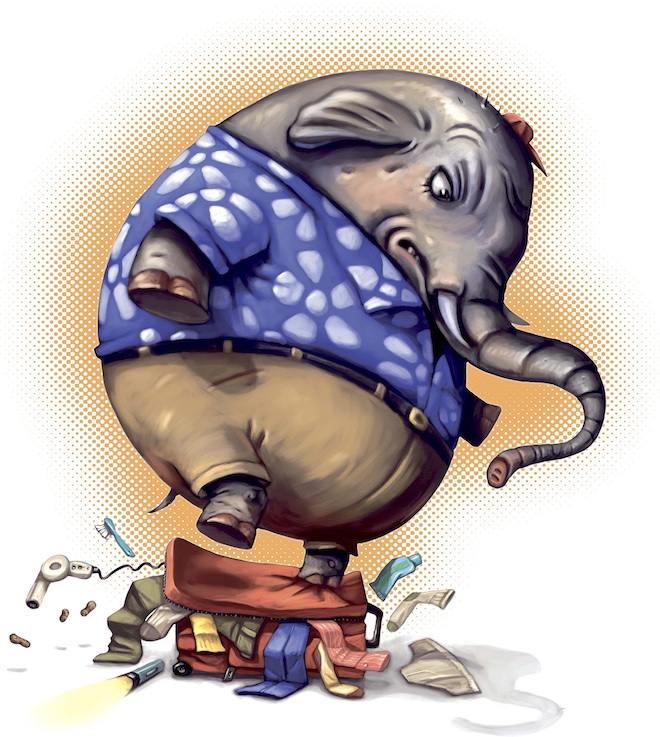
As the latest round of fervent speculation around Chris Christie demonstrates, there appear to be an awful lot of Republicans wishing they had more choices in the Republican primary. After all, isn’t there a candidate out there — somewhere, anywhere — who is simultaneously electable, consistently conservative, and an easy sell to the Tea Party and establishment alike?
Nope.If it was going to be anyone, it was going to be Rick Perry, who comes the closest to checking off all the necessary boxes: pro-life, pro-guns, anti-tax, early Tea Party supporter, popular with big money donors in his home state. His recent campaign struggles and increasing problems defending his few, rare departures from modern conservative orthodoxy — on immigration and on his decision to mandate HPV vaccinations — are indicative of a broader problem. There is no perfect candidate who can balance the frequently shifting, sometimes contradictory, demands of both the party’s base and elites.
Perry’s troubles offer a decent idea of how the various “fantasy” contenders that conservative pundits have offered up would have fared in the presidential race. Like a political Heisenberg Principle, undeclared GOP candidates are only unifying saviors until voters actually stop and look at them.
Indiana Governor Mitch Daniels, an early favorite of GOP elites and fiscal conservatives who already was on the outs for declaring a “truce” on social issues, recently confessed that he would have run as a heretical moderate on taxes, likely putting him in Jon Huntsman territory. Paul Ryan, the architect of the House GOP’s budget, is universally worshiped by Republicans (at least publicly), but has never faced real scrutiny over his votes for Medicare Part D, TARP, and even the despised auto bailout. And Christie, in addition to his sagging approval ratings in New Jersey, called Republicans’ sharia panic “crap” spread by “crazies” while condemning politicians of all stripes for even discussing the Park 51 community center in Lower Manhattan. Oh, and he’s moderate on immigration and believes climate change is real, man-made, and a problem.
It’s not like this is a new problem, either: Republican strategists were grumbling about their choices long before a single candidate declared. And that was when the fantasy field was much bigger, with candidates like John Thune, Mike Pence, and Haley Barbour all considered possibilities.
“The Republican field is wide open with no clear frontrunner,” GOP strategist Mark McKinnon said last November, “because they are all, in some respects, flawed.”
Nothing’s going to change the equation, either, because the current qualifications for a perfect candidate are impossible to meet. Any Republican who has been around long enough to amass an impressive record of accomplishments that they can sell to both establishment Republicans and general election voters will have taken some unacceptably moderate positions over the years because the party has swung wildly to the right in that same period. Perry’s law granting illegal immigrants’ in-state tuition, for example, was entirely uncontroversial in Texas when he signed it in 2001. But that was before the party’s anti-immigration base reawakened after 9/11 and then recaptured the party midway through the decade. The same goes for Romney’s support for a health care mandate, which was a popular idea among Republican intellectuals in the 1990s and backed by top GOP lawmakers right up until President Obama proposed it in 2009. And almost everyone except Perry has some environmental problems after the GOP, led by Texas oilman George W. Bush, tacked to the center on climate science in the late 2000s.
That means that the only candidates without skeletons in the closet are inexperienced newbies like Michele Bachmann, which makes them difficult to take seriously as legitimate White House material, to say the least. As the candidate most tuned into the base’s id, Bachmann is smart enough to realize that keeping the grassroots happy means taking some paradoxical positions as well. Tea Party activists love balanced budgets, but they’re also disproportionately old and hate cuts to Medicare and Social Security benefits, which explains why Bachmann was one of the first major candidates to disavow Paul Ryan’s plan to replace Medicare with a less generous program. Similarly, Perry has discovered that the base loves his 10th Amendment principles — except when they apply to immigration, abortion, gay marriage, and illegal drugs. And if by some miracle a candidate manages to become the undisputed “Tea Party” candidate? Well, good luck in the general election.
The good news for Republicans is that their desire to unseat President Obama is almost certainly stronger than the impulses that tear them apart. Polls show Republicans would find either Perry or Romney an acceptable nominee, despite their constant search for that elusive ideal candidate. But when it comes to finding that perfect nominee, perhaps Jon Stewart put it best on Monday in his segment on the Christie boomlet.
“Republican base….have you ever considered the possibility that maybe your candidates aren’t the problem?” he said. “Maybe it’s you?”