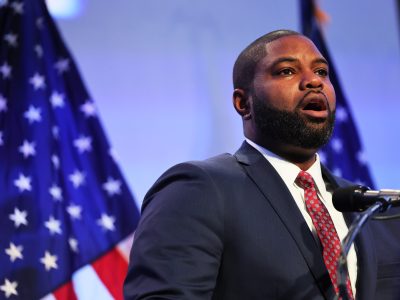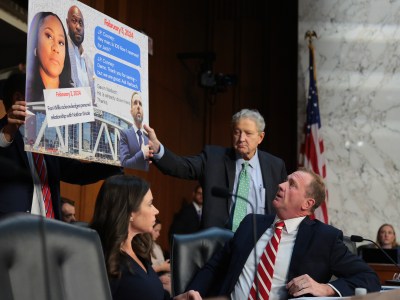
Sen. Orrin Hatch is on track to win the Republican primary in Utah Tuesday over former state Sen. Dan Liljenquist — fending off the kind of insurgency from the right that has felled other senior Republicans in Utah and around the country.
Hatch couldn’t meet the 60 percent support threshold at the Utah GOP convention to lock up the nomination outright, but he led Liljenquist 60 percent to 37 percent in a recent poll.
The Utah pollster who conducted that survey, Dan Jones, said he believes Hatch’s résumé finally began to resonate with Utah voters.“I don’t think people realize how powerful the Senate Finance Committee could be. As he explained the different bills and legislation, I think they felt that after 36 years he could still help the state of Utah. And I think the endorsement of Romney helped him. Mitt Romney is extremely popular in the state of utah, and he endorsed Orrin Hatch.”
Indeed, Hatch has promoted his seniority as a benefit to the state. In the candidates’ only debate, Hatch relentlessly trumpeted his position as ranking Republican on the Senate Finance Committee, and that he would be chairman if the GOP were to win the majority: “Literally 60 percent of the budget comes through that committee, and it’s a very, very important thing. And it takes a long time to even get on the committee, let alone become chairman. So that’s why I’m running.”
Hatch’s sizable cash advantage played a role, too. “He outspent Dan Liljenquist 10-to-1,” Jones said.
Hatch is in his first primary since he was first elected in 1976. Utah is a strongly Republican state, so the winner of the primary is virtually assured the Senate seat.
But Hatch also had some earlier omens that he had a tough battle ahead. In 2010, his fellow Sen. Bob Bennett was eliminated at the convention itself, shut out from even a shot at the nomination in a primary.
Hatch thus had the advantage of having learned from Bennett’s misfortune, and made a very strong push at local Republican events and the state GOP caucuses — so strong, in fact that pro-Hatch delegates were all elected from Liljenquist’s home precinct.
He has also been moving even further to the right, relentlessly courting right-wing groups that Bennett failed to cultivate. The Tea Party Express, for example, opposed Bennett but ended up praising Hatch.
Hatch made other moves to court the conservative faithful, including telling the 2011 Conservative Political Action Conference that he was “prepared to be the most hated man in this godforsaken city in order to save this country, and I need your help.”
He promoted a Balanced Budget Amendment proposal that would limit government spending and put up roadblocks to tax increases — key tea party issues. He supported a proposed amendment that would allow a super-majority of state legislatures to overturn federal laws. And he went further to the right than even conservative darling Sen. Jim DeMint in voting against a continuing resolution in 2011 meant to avert a government shutdown, assailing the bill because its cuts didn’t “go far enough to bring fiscal sanity back to Washington.”