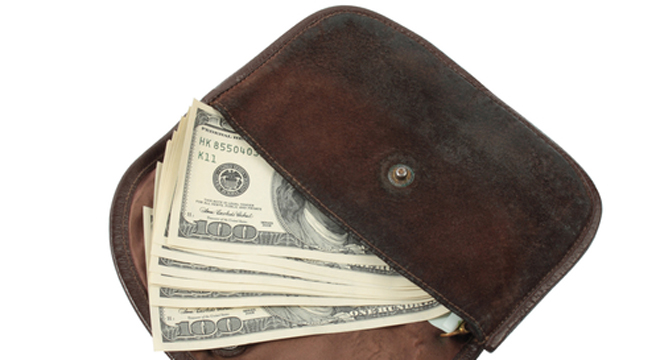
Democratic-supporting super PACs say Democratic donors, wary of giving money to the outside spending groups their candidates have railed against since the Supreme Court’s Citizen United decision, are starting to put their principles aside as the power of super PAC spending becomes more pronounced.
Democratic Party groups are now openly appealing to their donor base to give money to super PACs and other outside spending groups, saying they need the air cover even this early in the year. Republican-leaning outside spending groups, most notably the Karl Rove-founded American Crossroads, have already begun pouring millions into television ad campaigns months before the generally accepted start of all-out general election campaigning.The Wisconsin recall race was an eye-opener for Democrats on the spending front. Tens of millions in outside spending by Republican-leaning groups helped give Gov. Scott Walker (R) an enormous cash advantage, setting off new super PAC alarm bells among Democrats.
Democrats and their allies don’t expect to reach parity with the Republican-leaning groups — especially not now that Wall Street donors have shifted away from the party of late. But House Majority PAC, a PAC aimed at reclaiming the Democratic House majority, says that donors are starting to come around. The group raised as almost much in the six weeks before the California primaries on June 5 as they did in the whole previous quarter.
“We’re definitely seeing a pickup in individual donations,” said Andy Stone, spokesperson for House Majority PAC. The group is taking a victory lap after the Democratic victory in Arizona’s 8th Congressional District special election, where ads the group ran attacking Republican nominee Jesse Kelly earned media attention.
The ads show “how effective and strategic we can be,” Stone said, and helped show potential Democratic donors where their money goes. That’s boosted fundraising, he said.
It’s the same story on the presidential level. PrioritiesUSA, the super PAC supporting President Obama, has struggled to build up a sizable war chest relative to the GOP-supporting groups. But it has seen “a consistent uptick” in fundraising “over the past few months,” according to a spokesperson. Priorities attributes the new money stream to “the threat of a Romney administration” that is starting to rouse Democratic donors.
Democratic super PAC insiders have long grumbled that donors were being complacent or holding out hope for unilateral disarmament in the air war, and instead backing efforts to build a sophisticated ground game. Politico detailed Demorcatic donors’ concerns about super PACs last year:
Initial fundraising pitches have been met with skepticism, even occasional hostility, from some of the party’s most reliable wealthy backers. Some donors worry about a repeat of 2004, when massive outside spending failed to unseat then-President George W. Bush. Others were discouraged by President Barack Obama’s early attacks on outside money. Then there are more philosophical concerns about unlimited money in politics or the possibility that the new groups might help candidates donors deem too moderate, like Blue Dogs.
Democrats have started to go on the record warning donors not to leave the super PACs out when they write checks. After Wisconsin, DCCC Chairman Steve Israel took direct aim at Democratic allies wary of helping fund a barrage of television ads.
“The Wisconsin results should serve as a wake-up call for Democrats: On-the-ground organizing is critically important, but it must be coupled with an aggressive air campaign,” Israel said. “I’ve long said that Republicans didn’t beat Democrats in 2010, Karl Rove and the Koch brothers did after the Citizens United decision. Democratic allies and donors should not allow that to happen again this cycle.”
And the Senate’s most prominent Democratic leaders have taken to the road on behalf of the super PAC supporting their caucus, Majority PAC. It’s not clear if the stepped-up Democratic pressure or the fear of Republican victories are doing the trick, but it appears Democratic donors are finally starting to open their wallets for super PACs.
“The more immediate it becomes, the more motivated donors are to contribute,” Stone said.