


It’s November 1 and the PollTracker Average stands at Clinton 48.3 percent, Trump 43.7 percent, a 4.6 percentage-point spread.
The TPM Electoral Scoreboard stands at Clinton 264, Trump 210. Arizona, Colorado, Florida, and North Carolina are in the Toss Up category.
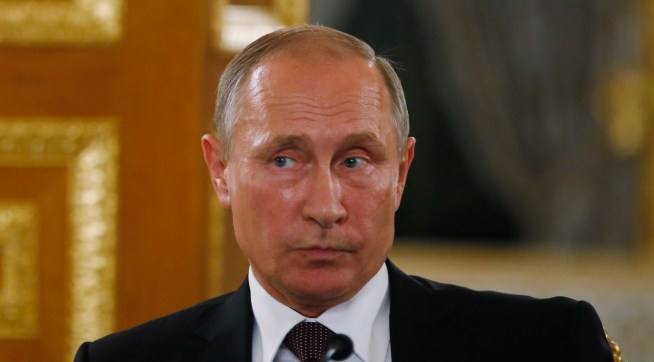
Two stories were published today alleging or suggesting actual covert communication between the Kremlin and the Trump campaign and an effort to use Trump to advance Russian interests in the United States. One of these stories is about suspicious communication between a Trump controlled email server and Russia. The second story is much more specific in its accusation. According to David Corn, who is an experienced national security and intelligence reporter, a retired spy from a western country who now works for an American security contractor has provided the FBI with evidence suggesting that “the Russian government has for years tried to co-opt and assist Trump.” Corn further reports that this retired spy found “troubling information indicating connections between Trump and the Russian government. According to his sources, he says, ‘there was an established exchange of information between the Trump campaign and the Kremlin of mutual benefit.'”
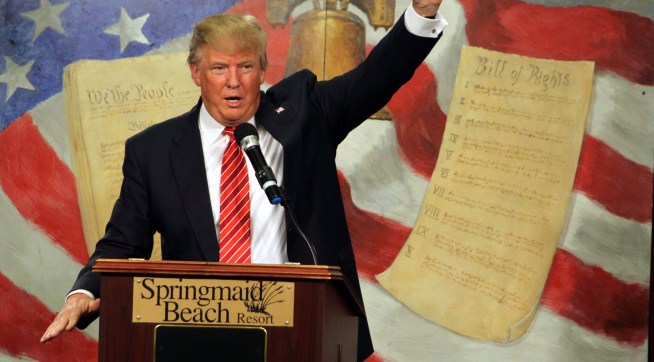
One of the premises of this Trump manuscript I’m spending a lot of my time working on now is that much of what Trumpism is and was was already apparent in the Tea Party backlash that began in the first months of 2009. It’s difficult to capture, more than seven years on, just how wild and unbridled that backlash was. It went partly or mainly unnoticed in the mainstream political conversation because most journalists were simply inclined to regard it as craziness from the fringe that was largely irrelevant to real politics and somehow crass to examine or focus on.
That was a mistake.
Trump has found another contractor to stiff – HIS POLLSTER. Yes, really.
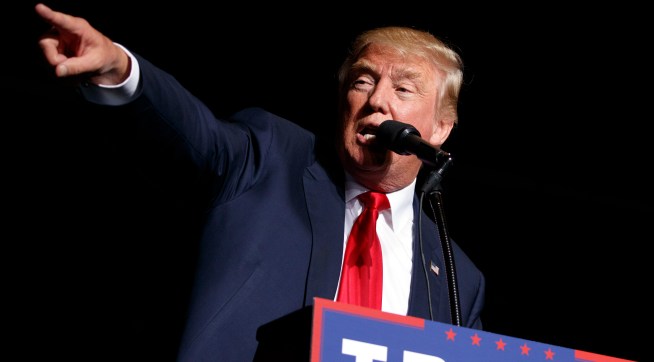
This morning a lot of people are asking what Donald Trump and his campaign staffers are thinking. He’s making a play for blue states that don’t seem to be in play and neglecting must-win battleground states where he’s at least in the running. It’s not as crazy as it may seem.
Cummings says Comey knew Republicans were watching his every move. That drove his decision.
The final week of a presidential election for any political reporter tends to be a blur. For the campaigns, for reporters and editors, for everyone involved, everything which has been anticipation, planning and predication rushes into action and culmination. For people who live politics it is exhilarating. But the suffusion of events, news and activity is so great that it is more like being carried along by a wave than anything you can experience or think about as it happens.
It’s October 31 and the PollTracker Average stands at Clinton 45.4 percent, Trump 43.8 percent, a 1.6 percentage-point spread.
The TPM Electoral Scoreboard stands at Clinton 288, Trump 204. Arizona, Florida, and Nevada are in the Toss Up category.
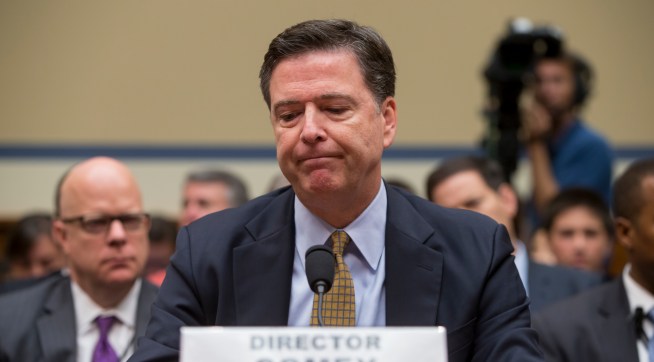
James Comey’s decision to send his letter to Capitol Hill seemed like a bad one from the start. But it did not seem as egregious at first as it does now because many assumed he faced a tough balancing act between informing Congress of significant new evidence and following longstanding DOJ/FBI guidelines about avoiding potential election interference. Even faced with that dilemma, he could have provided more information than a terse letter certain to drive wild speculation. But everything we’ve learned over the last 48 hours-plus suggests Comey had no basis to believe there was significant new evidence, indeed no clear reason to think there was anything new at all. At best, Comey combined extremely poor judgment with a decision to place a near-absolute priority on protecting himself from criticism over carrying out his professional and ethical obligations.