
No two times are the same. And the economic travails of the 1970s were entirely different from what we have today — they were tied to inflation, oil shocks and what seemed at least like low growth — not massive contractions and ‘first world’ debt crises. But with the mix of roiling economic crises, mushrooming riots spreading across the United Kingdom, it’s hard not to think we’ve been transported to a different decade, a different era. And certainly not a better one.
I guess the situation is so jaw-dropping now that we’re down, I’m down, to simply stating the obvious. But has there ever been a debt crisis not at all sparked by a sovereign debtor’s inability to finance its debt obligations but a simple threat not to do so? Is there any precedent for it?
From TPM Reader JG …
I think S&P bashing is not well-founded and misses the crucial point: that Speaker Boehner owns this downgrade because of the hold-up power he gave to the Tea Party faction. On S&P: their rating failures on mortgage backed securities and their mixed record on sovereign debt is beside the point. Fact is, an AAA credit does not threaten to default on its obligations.
Tomorrow’s the big night in Wisconsin. And election clerks in the state are bracing for big turnout. As I noted earlier, unlike a lot of elections where we broadly have a good idea of what’s going to happen, in this case the polls are so close and there’s so little history of this kind of an election that no one really knows what’s going to happen.


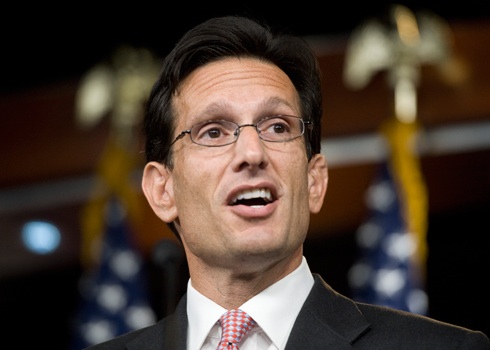
In the S&P’s argument for downgrading the US credit rating, the analysts placed particular focus on the GOP’s refusal to contemplate any revenue increases as a way of getting the country’s finances in order. Now Cantor is telling Republicans not to give into the pressure for compromise on taxes.