Where Things Stand last night covered what seems to be the beginning of the 2026-specific flooding of the “zone” with “shit,” to use Steve Bannon’s infamous terminology. (I am distinguishing these state- and primary-specific attacks from the more general muck of election conspiracy theories we have been wading in daily for the better part of a decade.) The conspiracy theory machine is off and running, fueled by conservative dismay that reality TV star-turned-dilettante politician Spencer Pratt (R) will not advance to the November general election against LA Mayor Karen Bass (D). Perhaps making it more painful is that he was in recent days supplanted in second place by Nithya Raman, a DSA-backed Democrat. The AP projected Monday that Raman and Bass will face off in November.
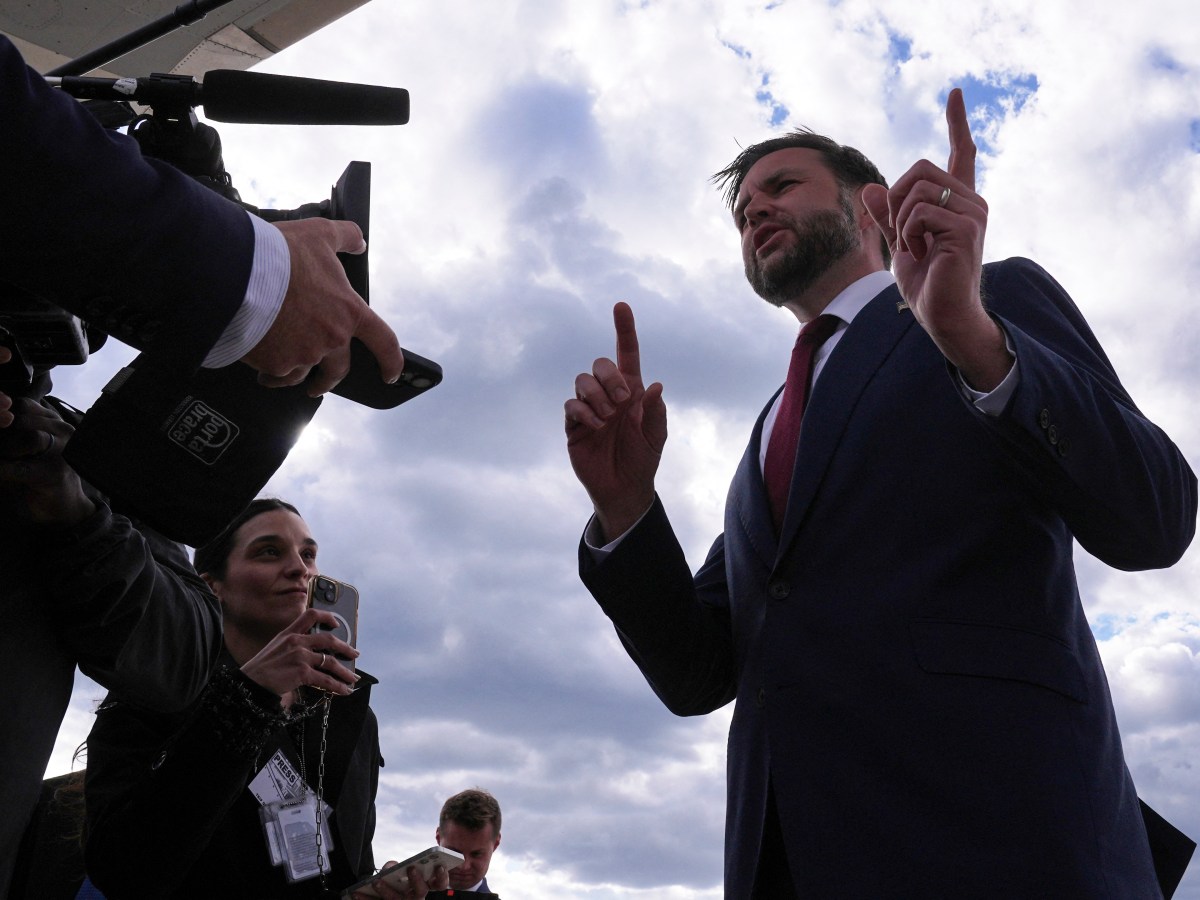
JD Vance is the latest person to get involved with spinning false narratives from conservatives’ ire. “Do you trust this election?” a grinning Jesse Watters asked Vance last night on Fox, teeing him up.
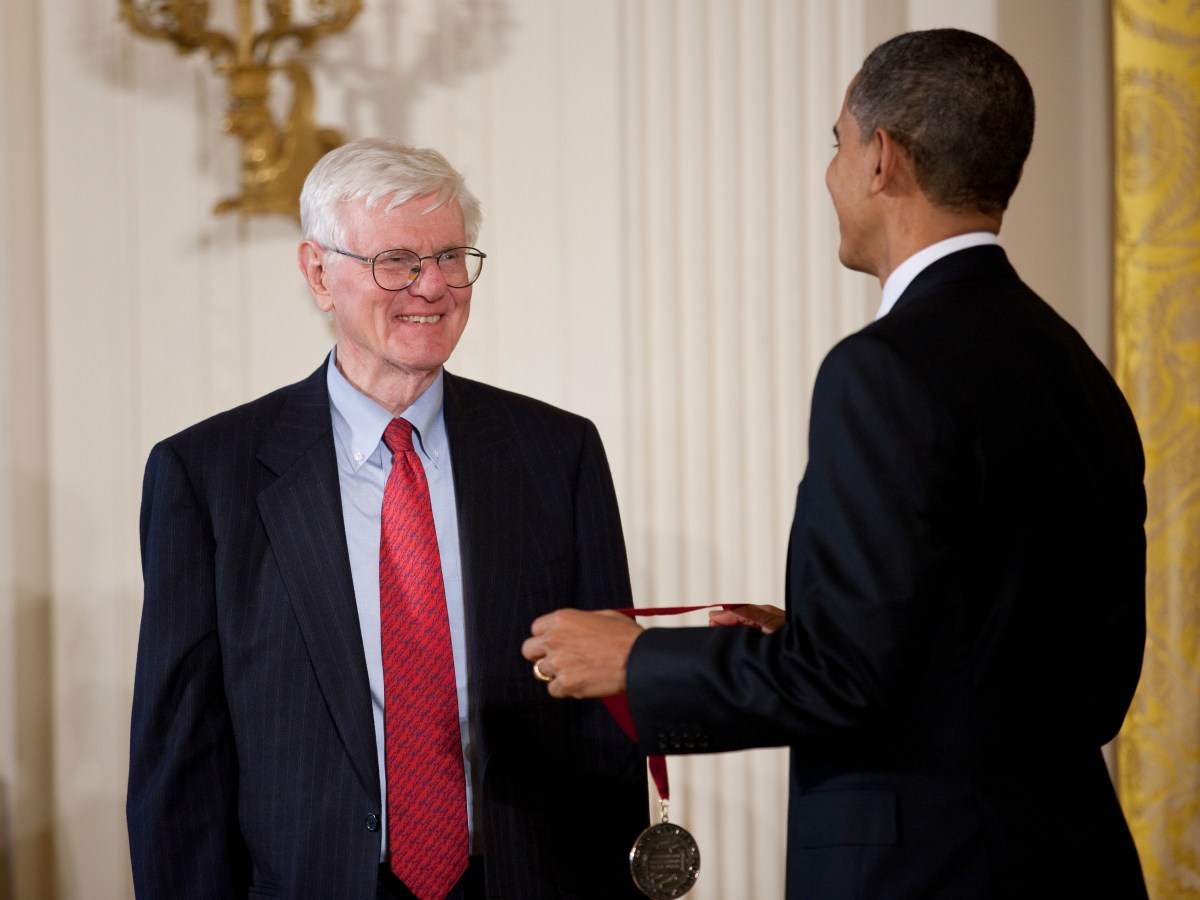
I just heard the news that Gordon Wood, a towering figure in the scholarship of Early American history, died yesterday at 92. Adding more upset to the news is the fact that he died after being struck by a car in East Providence. He died later in a Providence hospital. (One knows that people in their 90s are in the last years of their lives; a violent death like that makes it more of a gut punch.)
As I’ve mentioned a few times over the years Wood was my dissertation advisor at Brown. So he played an important role in my life. What ended up being my area of specialty, the topic of my dissertation, was pretty distant from the focus of his scholarship. He was concerned with the decades surrounding the American Revolution and the early Republic. My focus was on the middle 17th century and the interplay between economic interactions and inter-communal violence between English settlers and the Indians of Southern New England. In a way he indulged my interest in these questions that were pretty distant from his. He had very little time for cant or jargon or, as he saw it, theory.
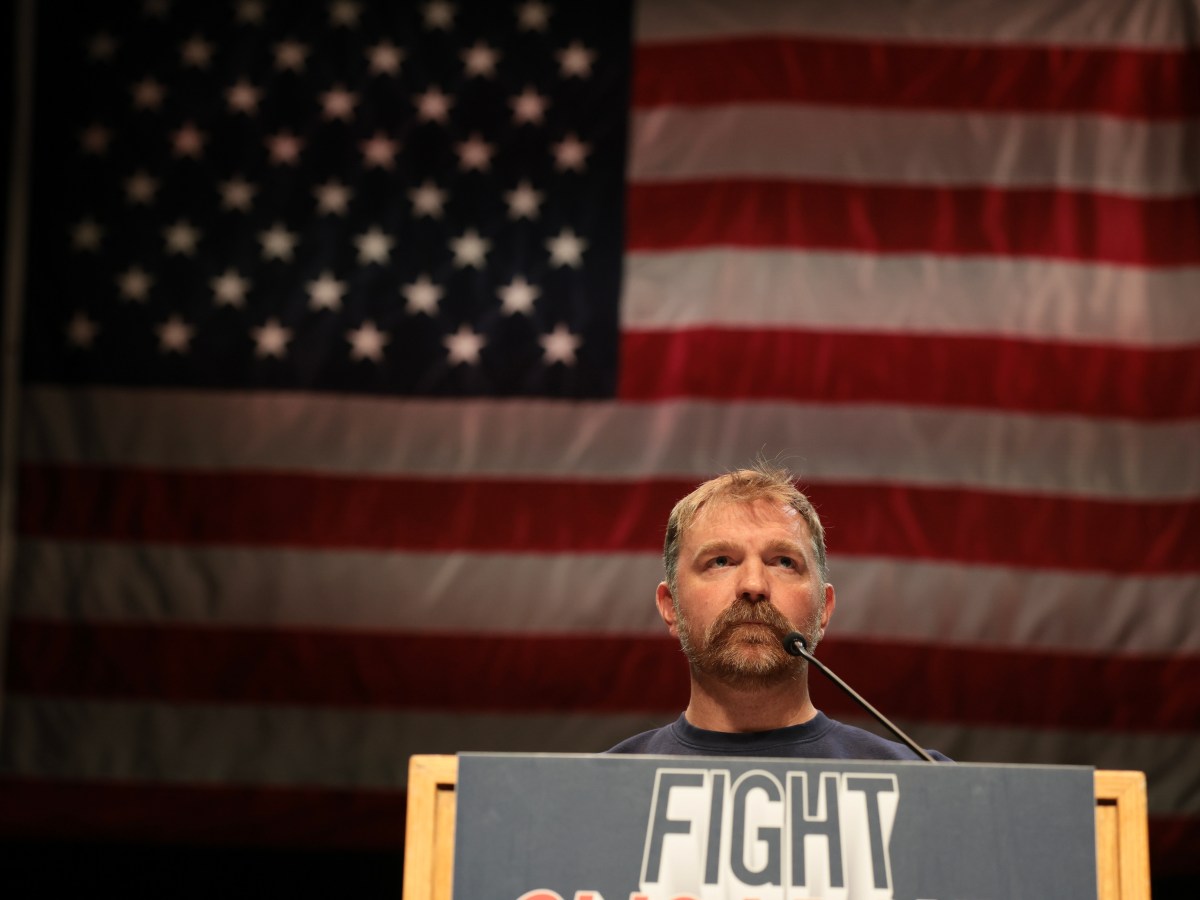
As a Mainer, I have been waiting (and waiting and waiting:-) for you to weigh in on Platner, since I respect your opinion so much and this whole thing has been crazy. I have been amazed at the over the top reactions and use of new info to verify black and white priors from so many in the media and on socials. Most of that is from people outside Maine. In my little corner here:
1. Mainers REALLY respect the hard work Platner is putting in. Quiet hard work is highly valued here. It’s not just 80 town halls. He goes anywhere and everywhere to talk with any group that invites him, walks any picket line he’s invited to. It’s probably hundreds of meetings, town halls, and just showing up for a cause at this point in the campaign. He appears with other candidates to boost their visibility, and has helped the three best candidates (in my opinion) form a ranked choice coalition in the tight governor’s race.
There are a few local data points your Platner piece doesn’t mention that may become important.
1. Mills is still on the ballot, and she’s been making a point of saying so since the first article about the sexts came out. Her lawn signs, which had largely disappeared, are springing back up all over town with reminders about that. She sees an opening, she’s trying to exploit it, and she has a receptive audience.
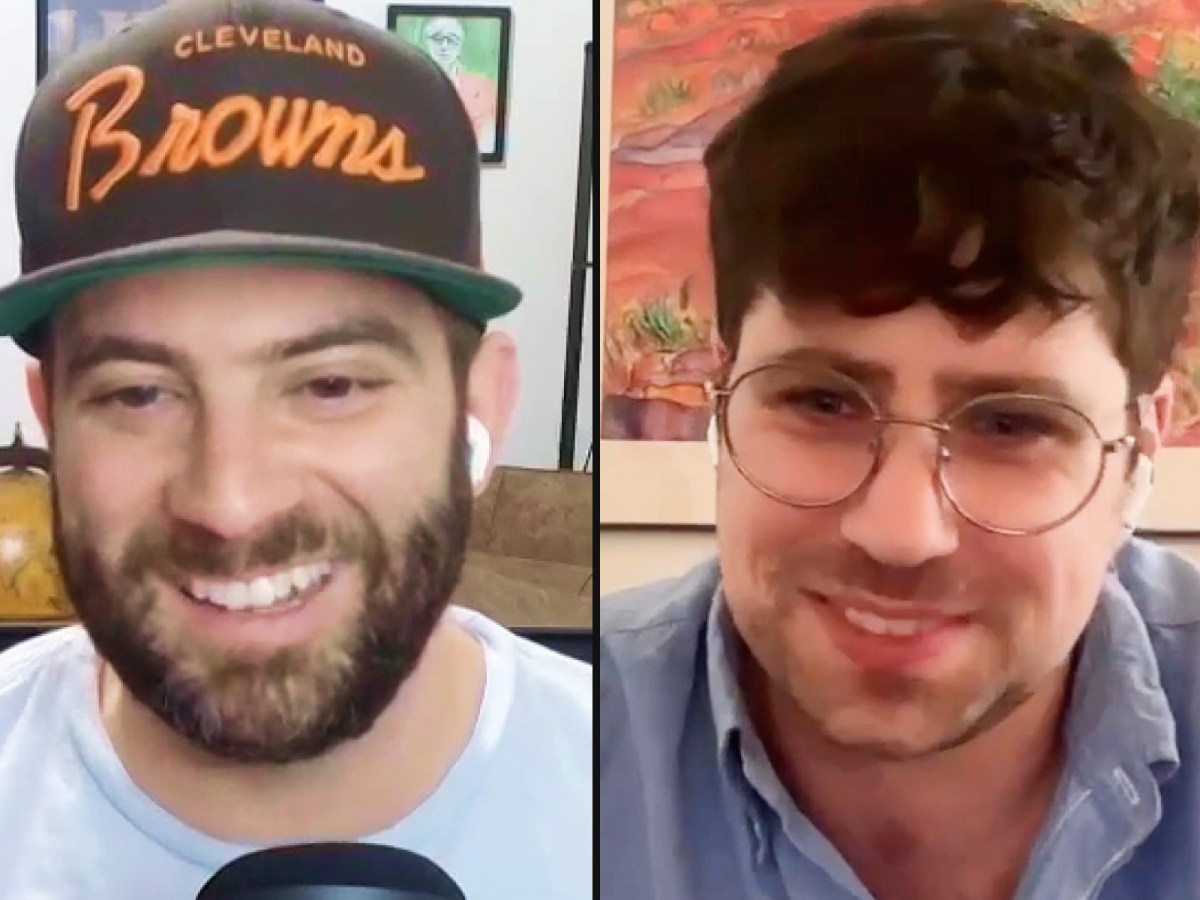
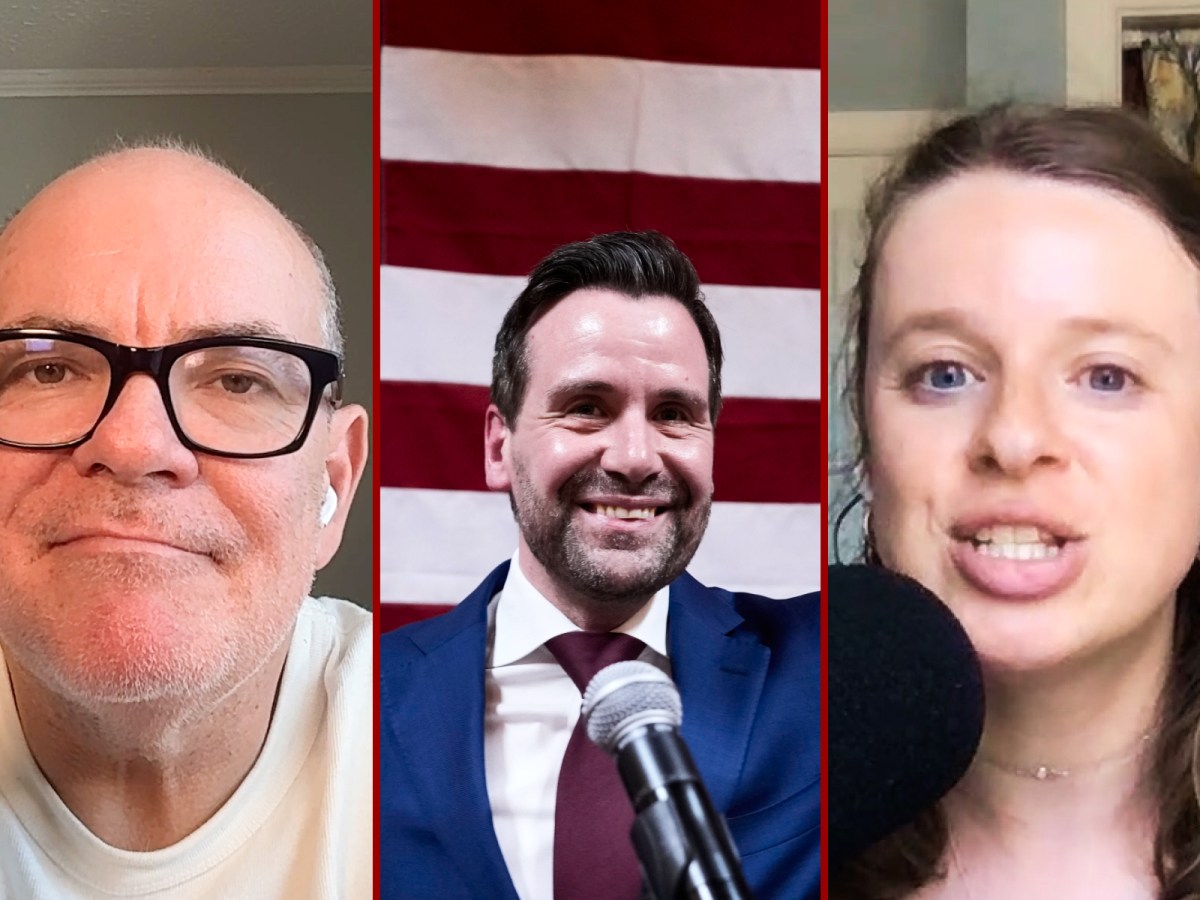
Kate and I discussed the ongoing Graham Platner controversies on last week’s episode of the podcast. As I explained, having never fallen hard for Platner as so many did, I come at the matter from a different perspective. I was basically a soft skeptic. Not against him, but also not wowed. Because of that, I wasn’t really let down by any of the scandals because I wasn’t up in the first place. As I half-jokingly put it, as long as he agrees not to be a Nazi going forward and stays off any dating apps until November, I’m basically fine with this candidacy.
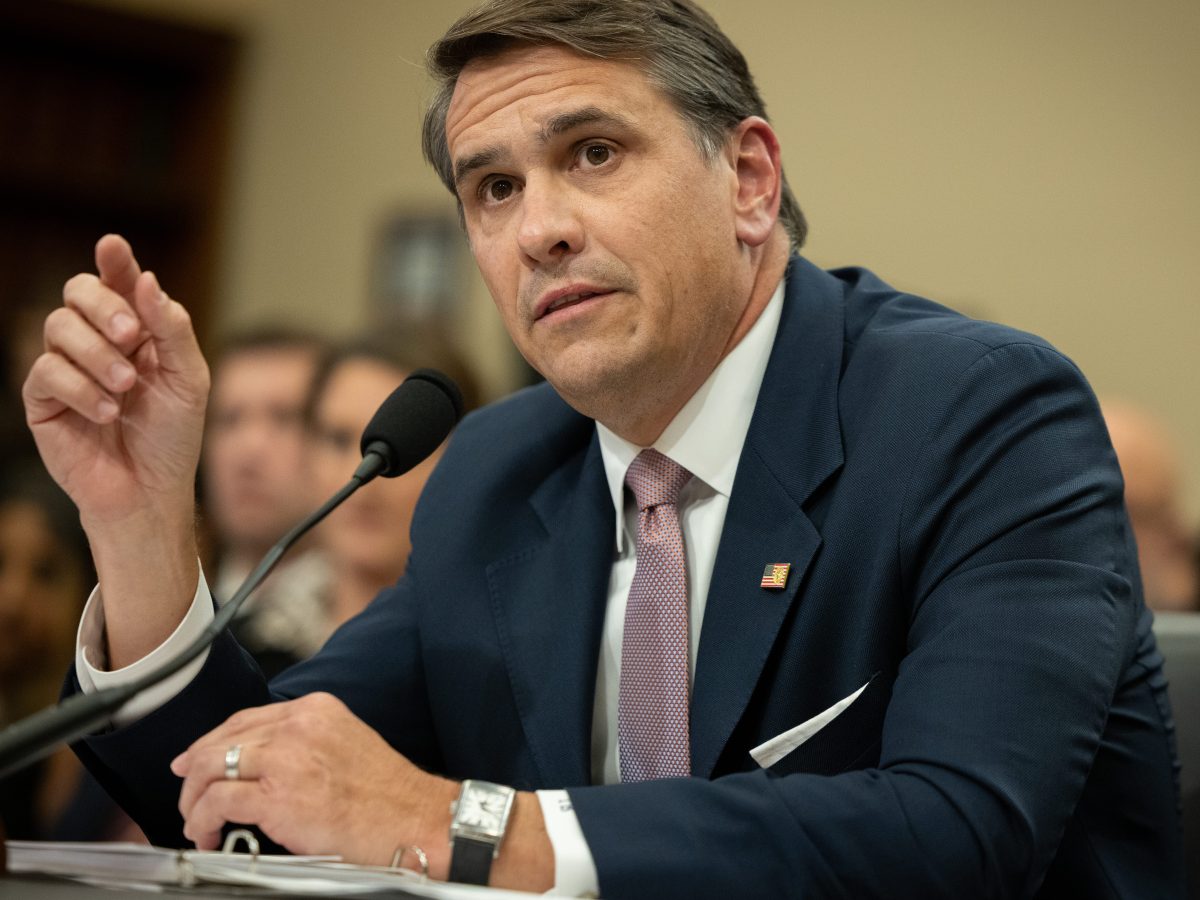
In a hearing today about the president’s bulldozing of the East Wing of the White House and plans to build a vast ballroom, a judge asked if the president could also bulldoze the Statue of Liberty and be subject to no legal challenge. The DOJ lawyer, Yaakov Roth, said that yes, President Trump could decide tomorrow to bulldoze the Statue of Liberty and no one could stop him.
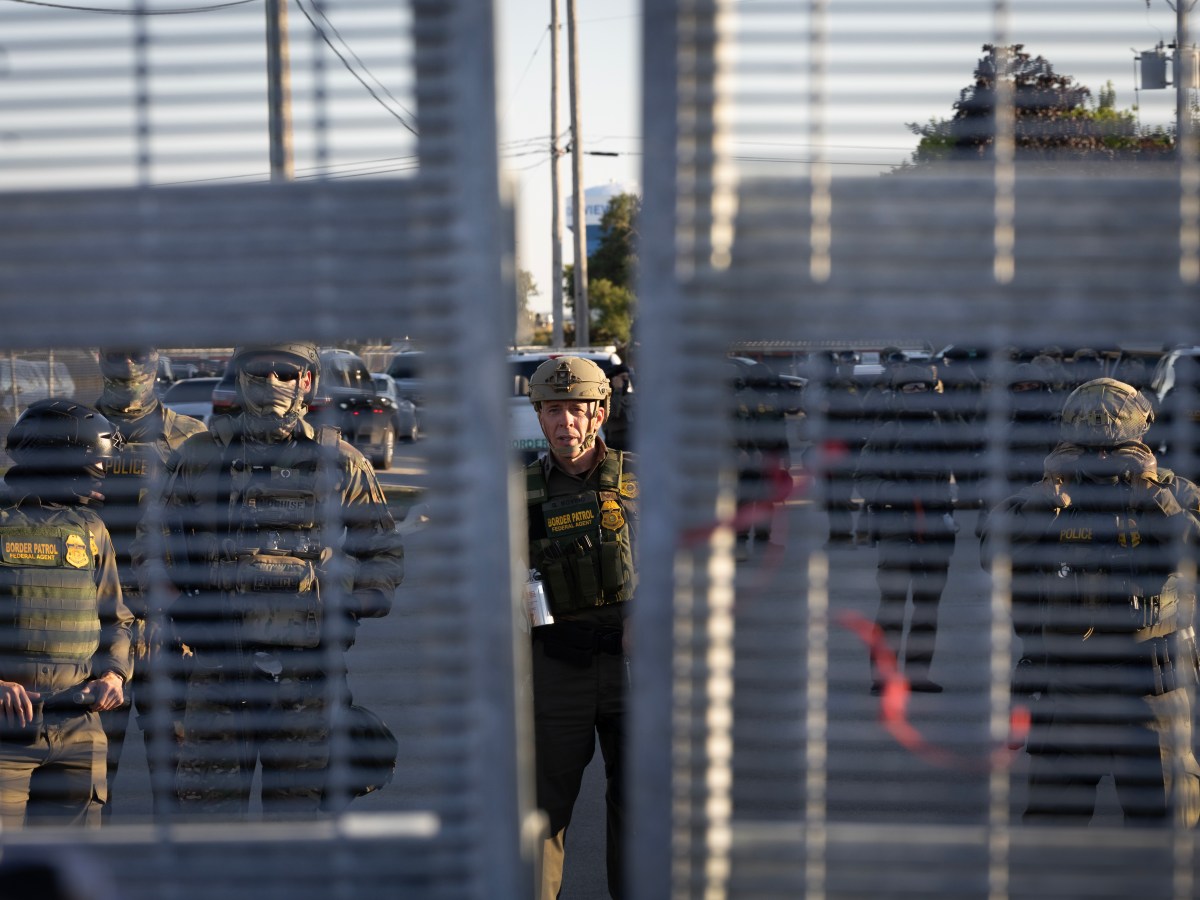
Grand jury sessions are among the most tightly held elements of the criminal justice system. But thanks to the collapse of the federal case against Chicago’s Broadview Six, transcripts from the proceedings were released into public view on Tuesday.
TPM Publisher Joe Ragazzo is joined by TPM Executive Editor John Light as they talk about The News, literally, figuratively, and even kind of spiritually.
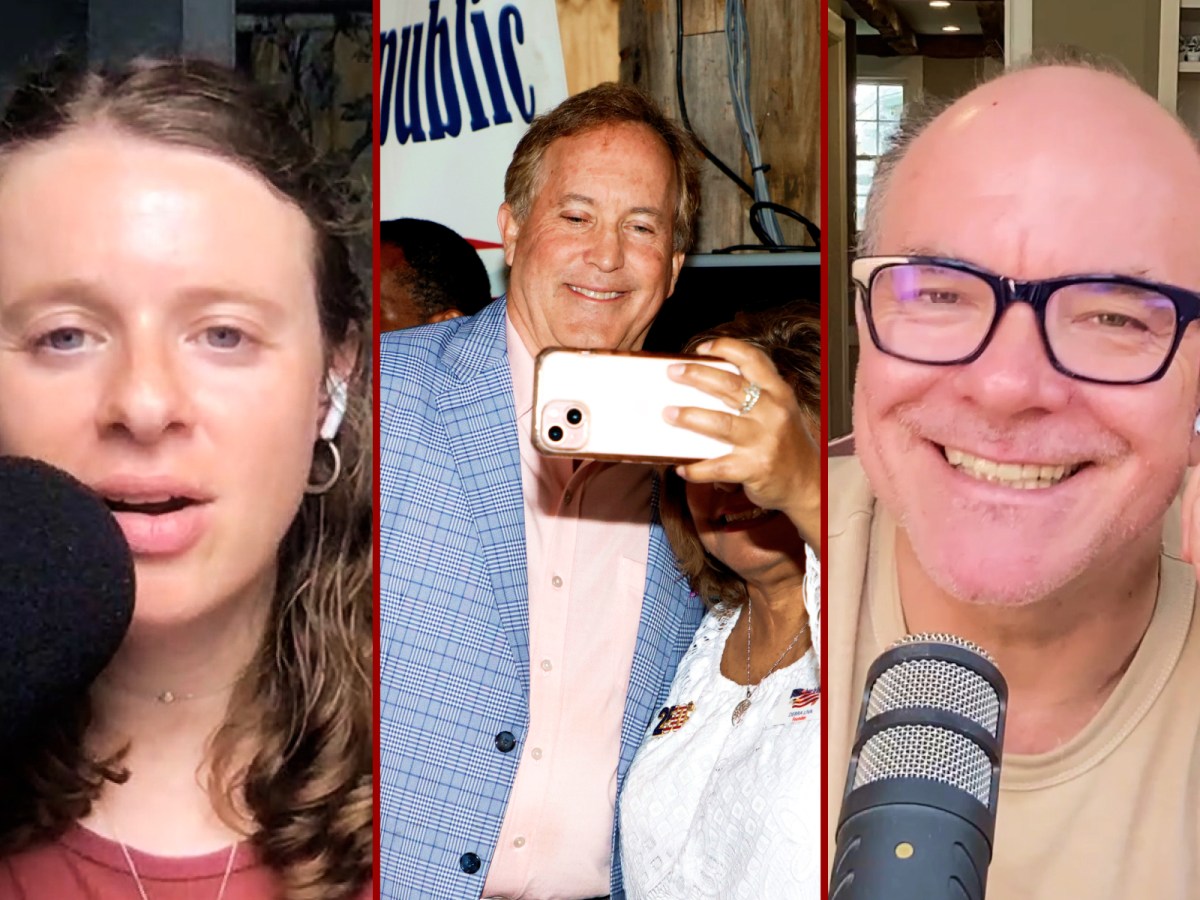
Kate and Josh discuss Ken Paxton’s primary win, redistricting developments in South Carolina and Alabama and fissures between congressional Republicans and the White House.